

If you are like most people today, it is far too easy to sit down and finish off an entire bag of chips or a row of cookies. Binge eating is an unfortunate reality for many people today, and quitting is not easy. Binge eating leads to weight gain, even more than you would by eating the same amount spread out over an entire day, and other health problems. It is also a major mental block for many people who view this as a lack of self-control, causing it to have a negative effect on their self-esteem.
Thankfully, there are a number of changes that you can make, and once you have made many of these changes, they are easy to maintain. This is because humans form habits with repeated effort. Thanks to this, you can make these changes into habits with a little bit of effort. The most difficult part is keeping it up while trying to form the habit. Once you have formed the tip into a habit, it is simply a matter of repetition. Always be sure to stick to your routine to keep from losing the habit that you worked so hard to form.
The real key to success is not to rely on one or two tips or tricks; however, it is to make substantial changes to your lifestyle. These changes can happen slowly over time and usually naturally happen as you begin to practice a healthier lifestyle. Over time these changes become habits, and following a healthier lifestyle is easier than you ever thought it could be.
10Ditch the Fad Diet
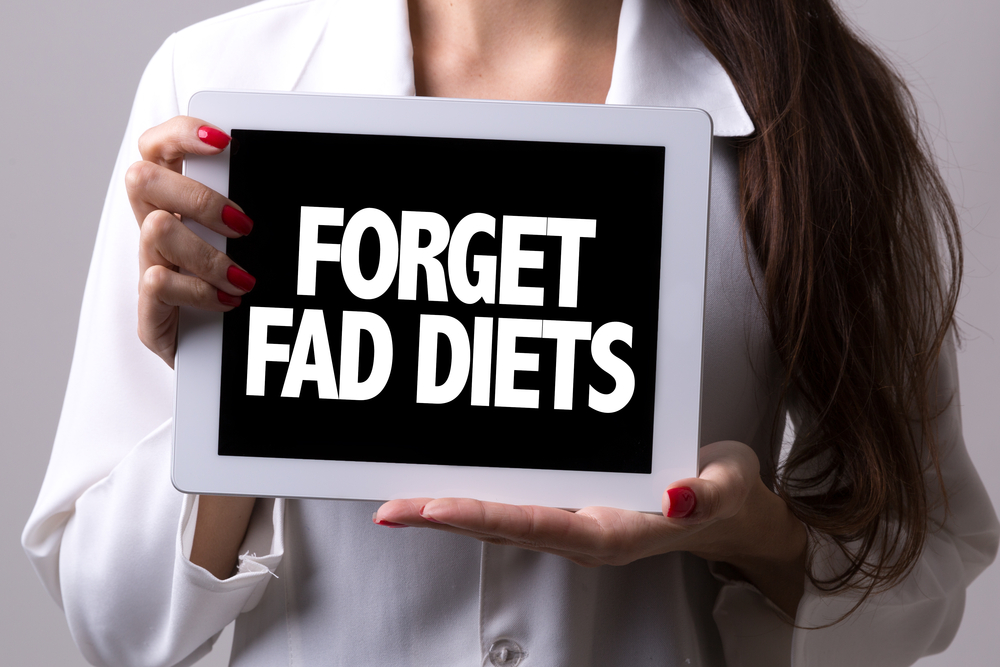
Fad diets are a bad way to try to lose weight. They are almost always the same formula: “eat this particular food, but only in these amounts for this many days.” They almost always fail, and even when people do stick to the diet, they always gain the weight back after returning to a normal diet. There are a number of reasons for this. The first and most simple is that fad diets are a terrible way to lose weight.
Almost all of these diets, in addition to causing severe calorie deficiencies, also cause nutrient deficiencies. In most cases, the amount of time that you would be on a fad diet is not long enough to cause major health problems due to nutrient deficiencies, but the calorie restrictions can cause long-term metabolic changes.
When your body faces a severe calorie shortage, it goes into survival mode. When this happens, your body begins relying on a minimal set of functions to remain functional. This also means conserving as much energy as possible in case of a long-term famine. Evolutionarily speaking, this is a great trait to have, but in today’s world of excess and overeating, it has become a burden. Going into survival mode even once can cause long-term metabolic slowdowns, resulting in it being more difficult to lose weight later.
9Pre-Divide Your Snacks

If you are determined to keep junk food in the house but establish a system of control instead, this step is a must. Pre-divide your snacks into serving size portions. You should use plastic bags, or, even better, reusable containers that you can easily wash and reuse for later snack storage. Be sure to follow the nutrient guidelines to determine how much each serving should have.
The most important and difficult part of this method is sticking with it. It is one thing to divide your snacks, but it is another to actually not eat the extra portions. If this is an issue for you, you can consider buying a timed snack jar. All this device does is hold your snacks and only allow you to access them at preset intervals. This is an excellent way to force yourself to maintain control, but since you are relying on outside influence, it is not going to form a habit as effectively.
If you still find yourself having difficulty controlling your snacking, consider buying your food one day at a time. This is not practical for everyone, but for people who pass a grocery store on their way home, buying your food for the night on your way home from work is a great way to control your eating.
8Meal Prep for the Week
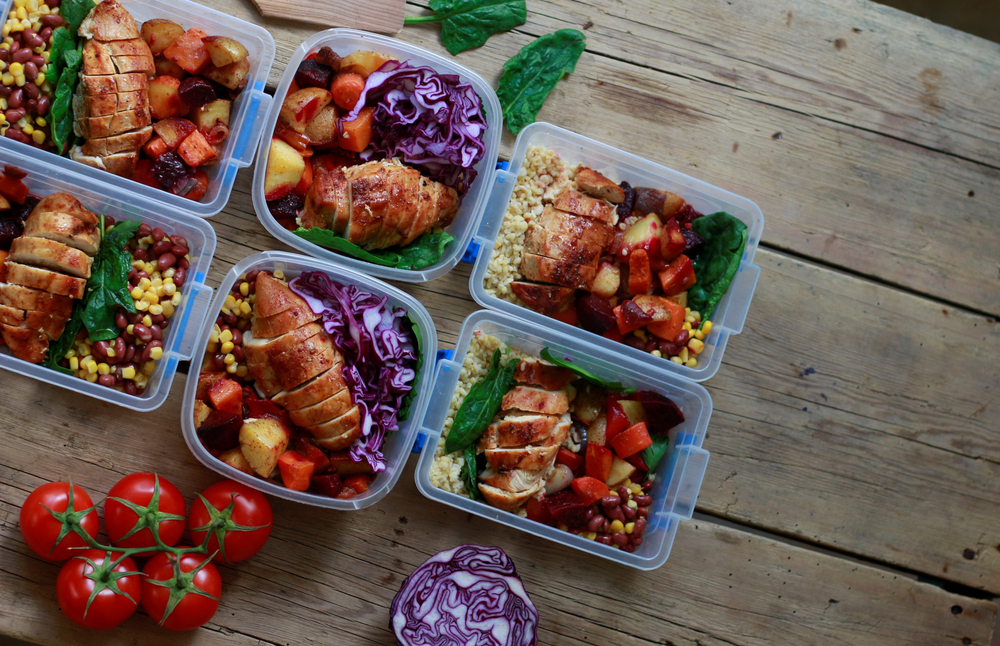
Doing your meal prep ahead of time is a great way to control your eating. This allows you to prepare precise portions and freeze them for later consumption. Using precise portions is vital here since it makes recording your consumption easier than trying to estimate. It is also a great way to keep you from binge eating.
When you do your meal prep ahead of time, each meal is already portioned. This means there are few or no leftovers. The problem with cooking each night is that people tend to cook way more than they actually need. By cooking too much, you have more n hand and tend to eat more, rather than store it. Having leftovers in the house also makes it easier just to grab a bowl and start eating.
One of the reasons that meal prep works are that you freeze your meals rather than keeping them in the refrigerator. This simple tactic makes it much more difficult to binge eat. If you have to go through the effort of thawing and to reheat your meal, you are going to think more about eating it than if you can just throw it in the microwave for a few seconds to reheat it. This method is not foolproof, but when done correctly, it can be highly effective.
7Do Not Skip Meals
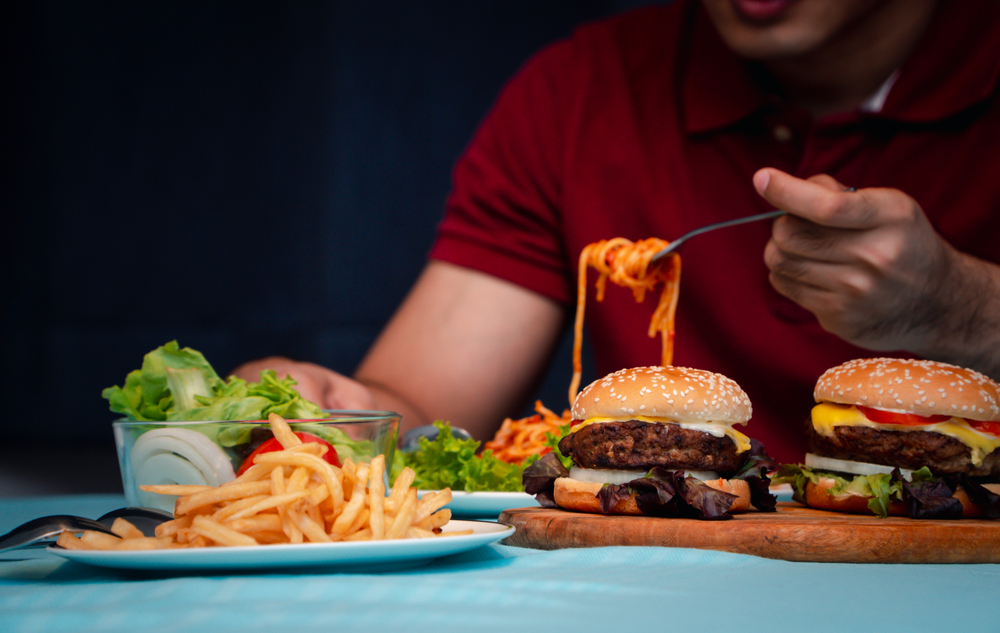
Skipping meals may seem like a simple way to lose weight. After all, if you don’t eat that meal, then you are eating fewer calories and storing less fat, right? Not necessarily. When you skip a meal, you make yourself more likely to overeat at your next meal. Mentally you are able to justify it because you have given up an entire meal, but this often leads to eating more than the skipped meal.
Skipping meals can also have other effects. If you regularly skip one meal per day, you risk slowing down your metabolism around that time each day. This can lead to fatigue and lethargy over time. It also makes you hungrier at your next meal, making it even easier to overeat.
This is the same mechanism that goes into effect when your body goes into survival mode. The effect is the same, though less effective. When you eat your next meal, rather than converting it straight to energy for use by the body, large amounts of caloric energy are stored as fat for future use.
6Drink Plenty of Water

Staying hydrated is vital for losing weight or even just stopping binge eating. When you are properly hydrated, your body is able to feel fuller and reduce hunger cravings. Multiple studies have linked increased water consumption throughout the day with decreased calorie consumption. This means the more you drink, the less you eat. This is not the case for everyone, but it is effective for most people.
In addition to drinking water throughout the day, also consider drinking a full glass of water 15-20 minutes before a meal. This can make your brain think that you are fuller than you are, registering that you have had enough to eat sooner.
Drinking water can also increase your metabolic rate. By increasing your metabolism, you are able to burn more calories throughout the day. This leads to increased weight loss over time. Likewise, dehydration can slow your metabolism, causing you to burn fewer calories throughout the day than you would if you were properly hydrated.
There is no universal proper level of hydration. Eight eight-ounce glasses per day are not based on any scientific evidence and are just an arbitrary number that was used. The key is to listen to your body and drink when it tells you to. Slight headaches, thirstiness, a metallic taste in your mouth, can all be signs of dehydration. To determine if you are at optimal hydration, look at your urine. It should be slightly yellow, but not dark yellow or orange. If it is completely clear, then you are overhydrated.
5Eat More Fiber
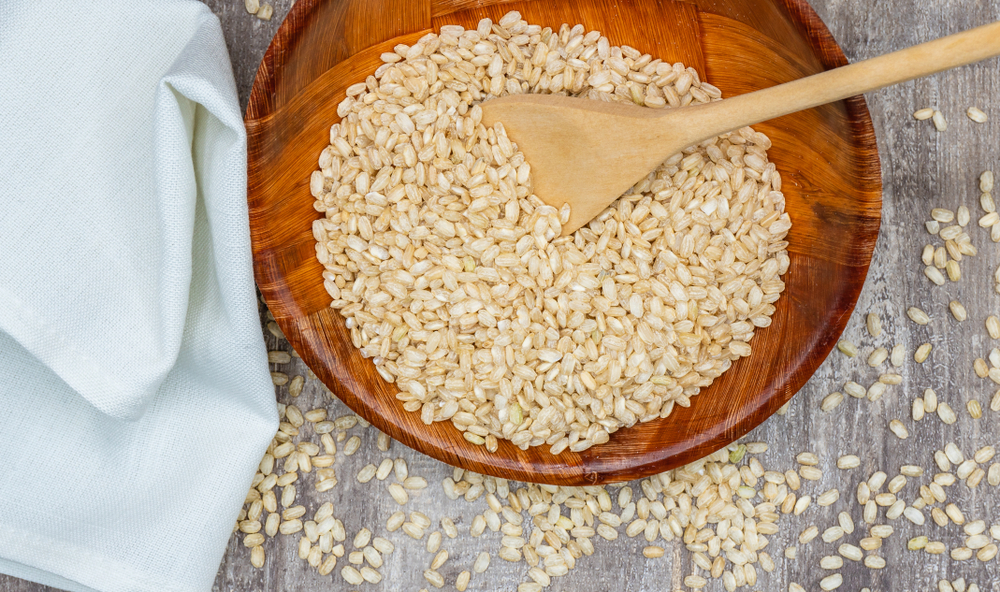
Fiber cannot be digested by the human digestive system. Even though it cannot be digested, it is still a vital part of a balanced diet. Since fiber cannot be digested, it is still treated as a carbohydrate, but it does not count towards your net carbs for the day if you are tracking these. This is because fiber does not contribute to your glycemic index or calories.
Fiber is still essential for regulating your digestive system. The fibrous strands help to absorb water and keep everything moving properly through the intestines. Fiber also plays another role, however. Since it is so absorbent, it can be used to make you feel fuller, longer.
When you eat fiber, it absorbs the liquids in your stomach. This can be acid or water; it doesn’t matter. As the fiber absorbs the liquid, it expands, similar to how rice expands as it cooks. This causes the fiber to take up more room in your stomach. Combine that with the fact that fiber is not digested, and it is easy to see how it can help reduce your binge eating.
4Stop Emotional Eating

Everyone eats their emotions at some point. When people are feeling sad or otherwise upset, it is natural to want to do something to make yourself feel better. This is where eating your emotions comes in. Food, particularly unhealthy, sugary, fatty, salty foods, releases a hormone called dopamine when consumed. Dopamine is the ‘feel-good’ hormone. It is the hormone your body uses to make you feel happiness and pleasure.
When you are already emotionally compromised, it is only natural to seek out a source of dopamine. Most people don’t even realize that this is what is happening; they just know that eating makes them feel better. This release of dopamine can be comforting in the short-term, but prolonged reliance can cause dopamine resistance in your body. This means that you need more and more dopamine to feel happy. This resistance leads to increased overeating and can lead to depression since regular amounts of dopamine released during the day for regular accomplishments are no longer enough to elevate your mood.
By learning to control your emotional eating, you can improve not only your weight but also your mental health. By decreasing your dopamine resistance, everyday accomplishments feel more rewarding, and even simple tasks can give you the same satisfying feeling that you got from eating a tub of ice cream.
3Eat More Protein
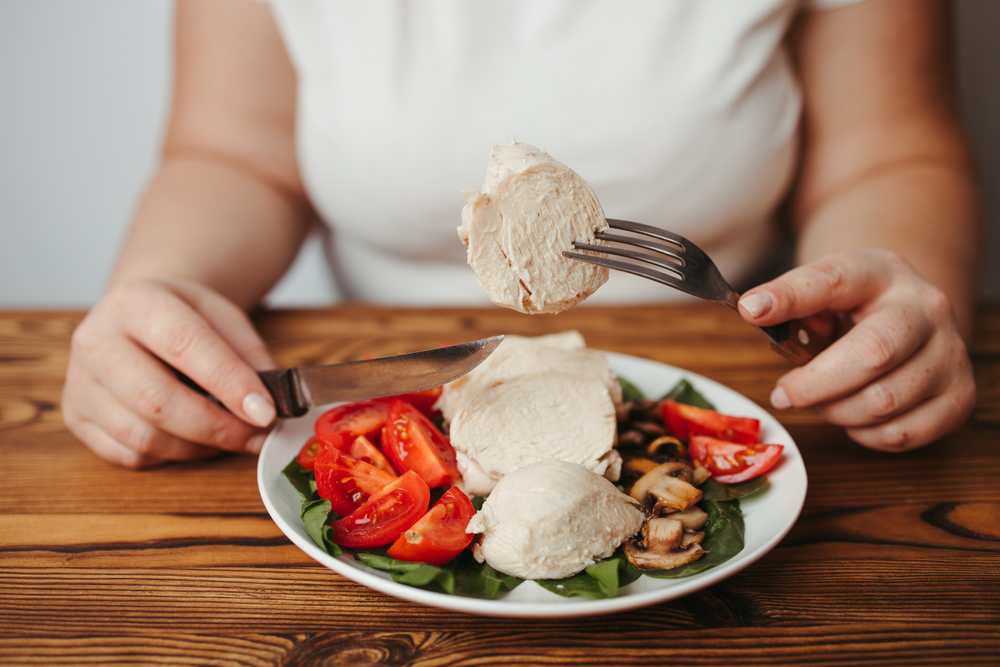
Protein takes longer for your body to digest than carbohydrates or fats. Carbs are almost immediately broken down and absorbed into the bloodstream. This begins before you even swallow the food. Have you ever noticed that bread and other forms of carbs start to break down in your mouth? This is because of weak digestive enzymes in your saliva. The entire purpose of these enzymes is to begin breaking down carbs while you are chewing, allowing them to enter the bloodstream faster.
Once you eat the carbs, they are broken down by the stomach acid within minutes. This is why you often feel hungry again shortly after eating a rice-heavy meal. The rice digests so fast that it does not continue taking up room in your stomach.
Fat has a similar problem; it is easily absorbed by the intestines and allowed to enter the bloodstream. In some cases, pure fat does not even have to be processed by the digestive system before it can be used.
This is where protein shines. It takes longer to digest than either fat or carbs, but the calorie density is much lower than fat. It is certainly much higher than healthy carbs but can even be lower than some unhealthy carbs. The lower the calorie density, the better. The lower the density, the more you can eat before you consume the same number of calories.
Protein is also essential for building muscles. Both plant and animal-based sources of protein are acceptable, but if you choose to get your protein entirely from plant-based sources, it is important to make sure that you are getting a balance of proteins. You can get everything that you need without eating meat, but it is not as easy as having a burger.
2Keep a Food Journal

Keeping a food journal is one of the most effective methods of losing weight. While any diet works if you stick with it, it is far too easy to overeat and not even realize it. This is especially true when binge eating. How many times have you opened a new bag of chips and eaten the entire bag before even realizing it? A food journal forces you to look at what you are eating and how much.
By recording a food journal, you can look back at the last few days, weeks, even months or years depending on how long you have been keeping your journal. This means that you can easily track your calorie intake and, if you include a workout journal too, output. Simply record your workouts, as well. You can divide these into two separate notebooks, use different sections, or even record everything in order as it occurs. This would be the most difficult to compile later, but the easiest to read in the short term.
It is easy for people to gain weight over time and not even realize it. This is because gaining one pound every two weeks is hardly noticeable, but over the course of a year, that is almost 25 pounds, which is noticeable. This is where a food journal really shines. It is easy to go back and figure out how many calories you have consumed over a given period, letting you see how much you need to cut out each day to lose weight.
This brings up another important detail; you didn’t gain all of the weight overnight; you aren’t going to lose it overnight.
1Go for a Run

This one may seem counter-intuitive, but it is effective. Some of you may be thinking, “Going for a run? That is just going to make me eat more.” This is an understandable assumption, but it is generally wrong. While it is true that many people use a light workout to justify gross overeating, when used properly, a jog or run can suppress your appetite and make it easier to stick to good, healthy foods.
When you workout, your body releases hormones that suppress your appetite. This also leads you to crave better quality food, rather than junk food. This is because your body is craving fuel, not just the quick dopamine hit that it gets from eating junk food. As you work out, particularly intense cardio workouts, your body needs better quality protein and carbs to repair the damage that was done during the workout.
Going for a run is also a great way to handle meal prep. Rice cookers often come with steamer baskets and typically only need 20-30 minutes to cook your meal, at most fully. A common use for them is to put the rice to cook in the bottom and a chicken breast, other vegetables, or other food in the steaming basket. Allow this to cook while you are on your run, and when you come back, you have a hot meal waiting for you with almost no effort required. Using this method is so effortless that it takes longer to change into your gym clothes than it does to prepare your meal for the night.
Conclusion
Stopping binge eating is not as hard as it may seem at first. Sure, it is much easier just to sit around and not make any changes, but that is how you stagnate. The only way to improve yourself is to get up and make some changes. Over time these changes become a habit, and they stick, making the changes you made easy to maintain. For some people, this process can take longer than it does for others. Some people can form habits in a couple of weeks. For some people, it can take a few months.
Bange eating can, over time, cause serious health effects. The sudden spike in calories and blood sugar are particularly harmful to your body. Sugary snacks can be a problem when binged. The high sugar content combined with high weight and a tendency to binge eat can easily lead to diabetes. This terrible disease is caused when the body overwhelms the pancreas, the organ that makes insulin. Insulin is used by the body to regulate blood sugar. When you eat too much sugar, your body becomes resistant to insulin, overworking your pancreas. Eventually, the pancreas shuts down and stops making insulin.
The key to stopping binge eating is to make changes to your lifestyle, not just your eating habits. Yes, you can improve your health greatly with diet alone, but a proper regimen can make a huge difference in your overall health and wellbeing. Give some of these changes a try. You have nothing to lose and everything to gain.