

Nosebleeds are one of the most frustrating health issues of all time. Not only are they messy and interfere with your daily activities, they often seem to happen for no reason and be very difficult to stop. Anyone who deals with the occasional nosebleed or even a chronic problem will agree that they are not fun to go through. Figuring out how to stop a nosebleed can feel futile and like a waste of time since the blood often seems to just keep flowing. However, what many people don’t know is that there are some tried and true methods of stopping any nosebleed. There are also many ways of preventing nosebleeds in the first place. It all starts with a concrete understanding of what exactly nosebleeds are and why they happen.
It can be difficult to accept nosebleeds, especially when they don’t seem to have any reason, purpose, or serious consequences behind them. However, just like everything else that happens in the human body, nosebleeds happen for a reason and there are informed ways to stop them from happening. Whether you deal with nosebleeds on a constant basis or simply encounter them every once in awhile, it’s a good idea to understand what you’re facing and how to react to it. Ignoring a nosebleed or not taking steps to stop them can have other health consequences that may be more serious than you expect. Keep reading to find out 10 steps you can take to get a nosebleed under control.
10Why Do Kids Get Nosebleeds More Often?

It may seem strange that children make up the majority of people experiencing frequent or chronic nosebleeds. You may have gotten a lot of nosebleeds as a child but not experience them much anymore. Or, you may be trying to help your own child deal with nosebleeds. The truth is, there’s actually a reason why kids tend to get nosebleeds more than adults- and it’s not as complex as you might think.
First of all, kids aren’t as shy about picking their noses or irritating their faces. While adults have learned to stop the bad habit, kids usually don’t have any qualms about sticking their fingers into their noses if they have an itch or they’re bored. The skin on the inside of the nose is sensitive, so frequent picking or itching with sharp fingernails can be a simple explanation of why a child keeps getting nosebleeds.
Kids are also rougher and tumble in general. While adults may spend a lot of their time indoors in controlled climates, at an office or another type of non-physical job- kids spend a lot of time playing and generally a lot more time outdoors than adults. Kids are also still developing and have found to be more prone to nosebleeds in general, simply because of their changing bodies. Often, by the age of 11, nosebleeds will slow down or stop completely. It’s important to note that in children under two years of age, nosebleeds are actually not normal and should definitely be addressed by a medical professional.
9Stay Hydrated

The main cause of any nosebleed is much more simple than you may think. Dryness and irritation cause most of the nosebleeds that people experience. This is why nosebleeds often happen more during the wintertime or any dry season. People in drier countries or places where the air has less moisture also experience nosebleeds more often.
Luckily, such a simple cause means that there is also a simple solution. Preventing and treating nosebleeds can often be as easy as keeping your nostrils and your environment humid and moist. Using a humidifier is a great way to combat frequent nosebleeds, as well as covering your face in extremely cold weather. After a nosebleed, using a wet cloth or breathing in some light steam can help to calm and close up the irritated blood vessels in your sinuses. An easy way to keep your nose hydrated even in the winter is by investing in a saline spray or a petroleum jelly.
Using these products on your nose will ensure that blood vessels don’t get cracked and dry, causing uncomfortable nosebleeds. A dry nose is no fun, even if there are no nosebleeds involved. So, why not use these easy preventative measures to avoid discomfort and frustration? Paying attention to the environment around you and being proactive can ensure that you don’t experience any unnecessary nosebleeds. Not to mention, dryness plays a part in many other illnesses and health issues. Staying hydrated and moisturized in every respect is a great way to improve your overall health and comfort.
8React Quickly
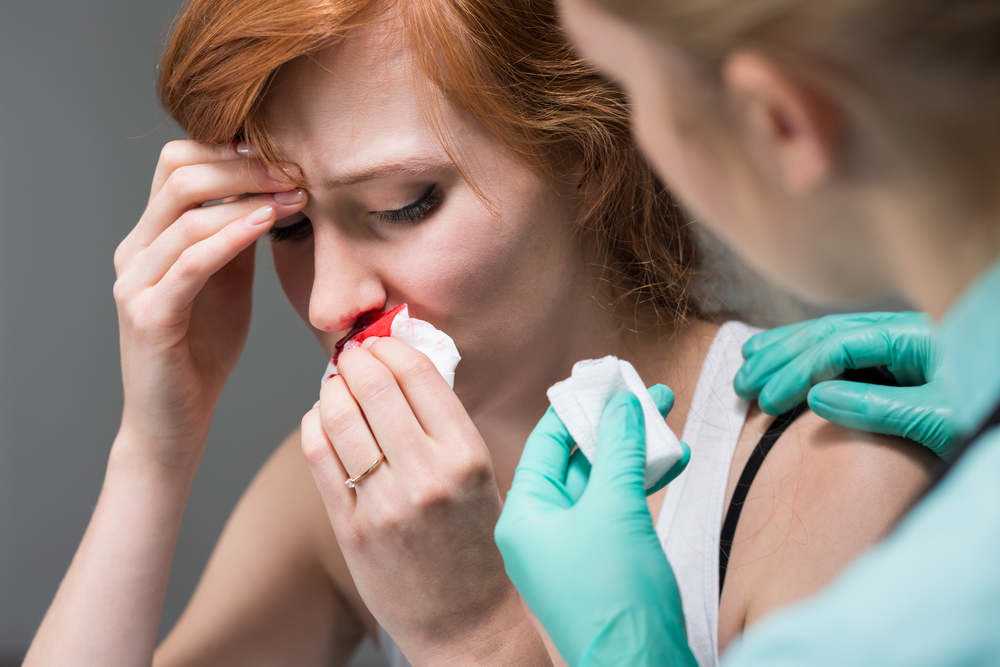
One of the most important things to do when you start to have a nosebleed is to act quickly. Most people do this naturally since the blood can cause a pretty serious mess. Nosebleeds usually come along with a large amount of blood that may seem alarming at first. While it’s actually normal, it can certainly cause stains and an uncomfortable taste in your mouth.
By reacting to the situation quickly, you can avoid a big mess and a longer nosebleed in the long run. A lot of the time, gravity can play a helping hand in managing a nose bleed. Tilting forward right away will ensure that the blood doesn’t drain through the back of your throat, making it uncomfortable and even more of a mess. It’s best to lean over a sink or use a tissue as you lean forward to keep the mess contained. As soon as a nosebleed begins, it’s a good idea to use your hand or have a friend help you out by pinching the bridge of your nose. The pressure of this can help relax the blood vessels in your nose and stop the flow of blood.
The quicker you do these two things, the easier it will be to stop the nosebleed once and for all. Leaning back in order to stop the blood from dripping is what many people have the urge to do as soon as they begin experiencing a nosebleed. However, it’s important to react smartly and recognize that leaning forward is the better choice in the long run.
7Know The Reasons Behind It

Nosebleeds are actually quite a simple physical process. While the visuals of a nosebleed may seem dramatic, the whole thing is just a result of a small change going on in your sinuses. The inside of the nose is made up of a bunch of very small and very sensitive little blood vessels. We have the same type of blood vessels in our eyes. The inside of the nose is also made up of nasal tissues, which are very thin tissues that can easily dry out and get irritated.
When the blood vessels of the tissues in the nose are irritated or burst, that is when blood begins flowing and we experience a nosebleed. Most average nosebleeds are actually called anterior nosebleeds. This means that the blood is coming from your septum- the cartilage that separates the two sides of your nostrils. Posterior nosebleeds are less common and take place when the blood is coming from a deeper place inside the nose. Posterior nosebleeds are sometimes more serious, usually caused by injuries or high blood pressure. Because the blood vessels in noses are so thin and small, the smallest of things can trigger them to burst or get irritated.
Too much pressure in the sinuses, a hit to the face, and itch inside the nose- each of these things can cause a nosebleed. The blood inside the nose and face is quite thin, which is why nosebleeds seem to be so much blood when they actually aren’t that dangerous or risky.
6Know When to Be Concerned
The overwhelming majority of the time, nosebleeds are nothing serious. Such a large amount of blood, especially coming from the face, can be a scary sight and an alarming thought. But, in reality, it’s usually nothing more than an annoyance. However, there are rare cases when nosebleeds are indicative of something more serious and may require professional attention.
There are several things to look out for when experiencing a nosebleed to ensure that you are not sweeping a larger problem under the rug. First of all, no nosebleed should continue for more than 30 minutes. After this amount of time, if blood is still flowing steadily from your nose, it’s best to seek medical attention. Your nosebleed could require more serious intervention or may be a symptom of something else. Secondly, if your nosebleed is resulting in an alarming amount of blood, you may want to consult a doctor.
Every nosebleed can seem like a large amount of blood, but if it’s causing what seems to be an unmanageable volume of blood- it’s better to be safe than sorry. The same goes for if at any point during a nosebleed you begin to feel faint or lightheaded. This could be a sign that you are losing an unsafe amount of blood. And lastly, if you’re experiencing a nosebleed after an accident or injury, be sure to seek professional help. Not only could it be a sign of a broken nose, but it also could indicate internal bleeding, which is a serious condition that needs to be addressed as soon as possible.
5Watch The Products You Use
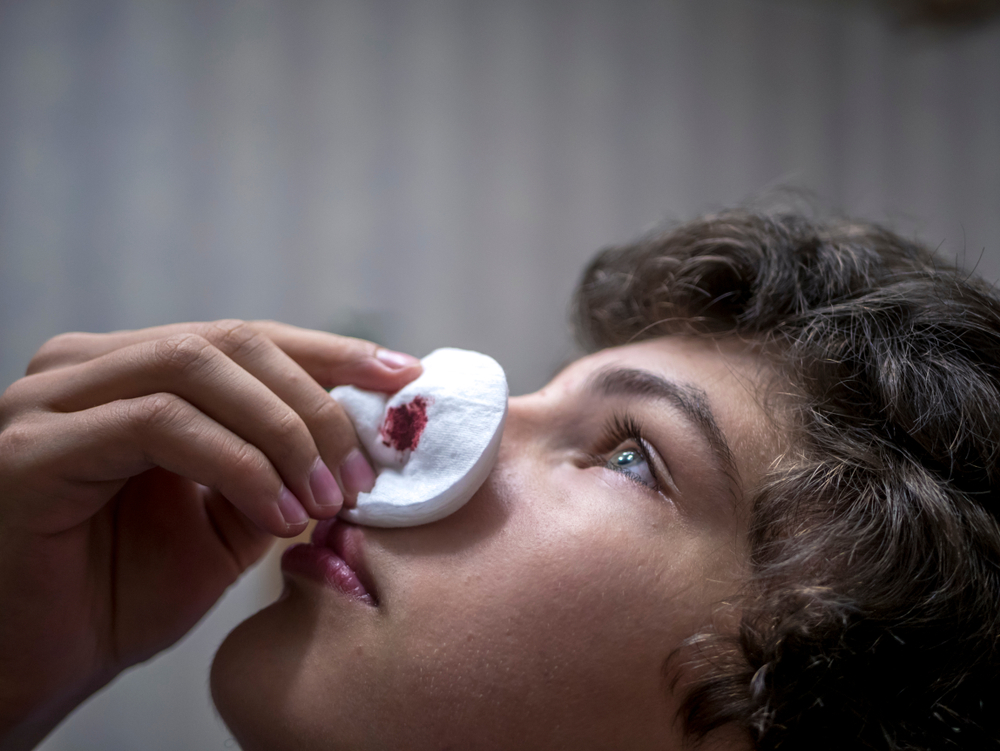
There are certain products that may contribute to frequent nosebleeds or even aggravate the condition. If you or your child is struggling with nosebleeds that are difficult to manage, it’s a good idea to evaluate whether you are using any of these products. Keep in mind what you now know about the blood vessels in the nose- they are weak and small. The smallest of disturbances or pressures can cause them to be affected, and sometimes, products that go near our faces or that we inhale can bother the vessels.
If you experience frequent or serious nosebleeds, it’s essential to ensure that you are not taking any blood thinners. Blood thinners can make you bleed more profusely from any wound, so nosebleeds can easily become extreme for someone who is on blood thinners. Aspiring and blood thinning medications can even be the reason that you experience frequent nosebleeds in the first place, so it’s a good idea to check with your doctor to see if you can stop taking these aggravating medications.
Other types of anti-inflammatory medications can also have an aggravating effect on nosebleeds. If you take a lot of allergy medication, it could be playing a role in your frequent or chronic nosebleeds. This type of medication makes nasal blood vessels even more vulnerable. You may notice that nosebleeds happen after just a light scratch of your nose or even just a light muscular movement. High use of alcohol is also a factor that comes into play when experiencing frequent nosebleeds- anything that heightens your blood pressure can make this health issue worsen.
4There Are Professional Medical Options

Home remedies are usually enough to stop nosebleeds and get them under control. However, what people often don’t know is that there are professional medical options for people who struggle with an overwhelming amount of nosebleeds. In rare cases, some people simply have a lot of nosebleeds. Even if this may not necessarily be a significant threat to their health, it’s sure annoying to deal with! If you have nosebleeds more than twice a week, some more advanced options of intervention may be right for you. Doctors have developed a few strategies to help mitigate chronic nosebleeds over the years.
First of all, there is something called cauterization. You may have heard this term used in more serious contexts because it is a common way to help large wounds heal and stop bleeding. In most cases, heat is used to close a wound and seal a blood vessel shut. So, for someone with overly sensitive nasal blood vessels or tissues- this is a great solution. Since the blood vessels are so small, cauterization for nosebleeds is usually done using silver nitrate or electrocautery.
Another thing that a doctor may suggest to combat chronic nosebleeds is called nasal packing. Nasal packing is often used for people who have just undergone sinus or facial surgery, and it involves putting a device made of gauze directly into the nasal cavity. This device is placed to put constant pressure onto your septum and absorb any blood that may leak from your nose.
3Don’t Aggravate Your Nosebleed

Because our faces are constantly exposed to the world around us and our noses are sticking out, it’s one of the most vulnerable parts of the human body. It’s the reason that people break their noses all the time as well as the reason that nosebleeds are so common. While it’s impossible to get away from the fact that you have a nose that is vulnerable, there are ways to make it less vulnerable and help you avoid nosebleeds. When you’re in the middle of a nosebleed, there are things that many people do that actually makes it worse. By paying attention to these things, you can ensure that your nosebleed ends as quickly as possible and doesn’t become a recurring problem.
First, many people have the tendency to stick gauze, tissues, or cloths into their nose when going through a nosebleed. Although this may be a convenient way to catch the blood, it’s actually aggravating the condition even further. The material is likely scratching against the very blood vessels that were irritated in the first place, drying them out and making them even more inflamed.
Second, it’s easy to want to blow your nose after a nose bleeds to clean the blood away from or simply for comfort. However, blowing your nose can have an adverse effect. This may reignite the nosebleed and cause the blood to begin flowing once again. Instead, try blowing your nose very lightly while the nosebleed is still happening. This will make the blood flow faster for a little while, but ultimately will remove clots and help the vessels to heal.
2Epistaxis and the Science Behind It
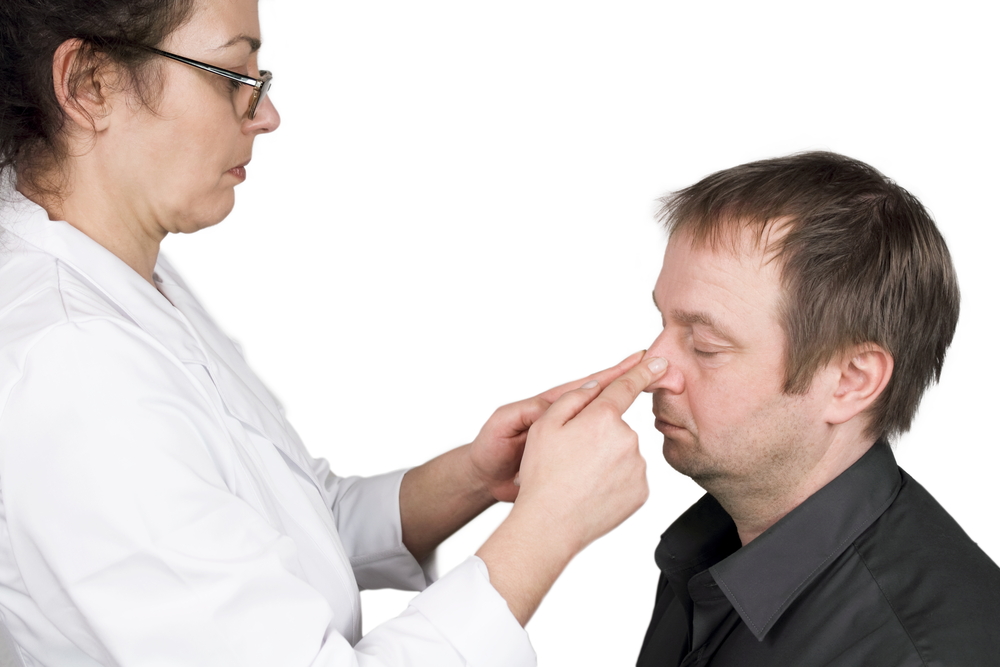
The scientific name for a nosebleed is epistaxis, and it’s another interesting element about the human body. Specifically, the circulatory system. One of the main reasons that nosebleeds are so alarming and seem so extreme is because of how the circulatory system works. By knowing a little bit more about this crucial bodily function, it’s easy to approach nosebleeds with a more logical understanding rather than panic or fear. Blood clots are an important element not only when it comes to nosebleeds but also when it comes to understanding the body as a whole. Since blood is what keeps us alive and keeps our bodies moving, this is definitely a vital thing to understand!
Blood is made up of platelets, tiny cells that are also mixed with plasma, iron, and blood cells to make up the bright red substance. Platelets are what control bleeding, every time we have a wound or an injury- platelets change their formation in order to get it under control. They change to form a blood clot, a plug that sticks to everything around it in order to stop bleeding. This take place when your body signals that it’s necessary, and it’s often what saves our lives and stops us from bleeding out in the case of a serious injury.
Blood clots naturally grow in size and become as big as necessary to stop any bleeding until the brain signals that it is no longer necessary. In the case of a nosebleed, the body usually creates blood clots in an effort to stop the bleeding.
1Take Care of Your Sinuses

Any type of sinus irritation, pressure, or illness can make nosebleeds more common and more frequent. This is why mitigating nosebleeds goes hand in hand with a general sense of health. Many people struggle with the health of their sinuses- from allergies to colds, to headaches- the sinuses are often the first sign of a lowered immune system. By caring for your sinuses, you can ensure that your chances of getting a nosebleed are as low as possible. Healthy sinuses mean that your nasal passages and blood vessels are unbothered by any kind of pressure or inflammation.
If you have allergies, don’t just let them run wild. Take your allergy medication, avoid what you are allergic to, and make a conscious effort to keep your breathing clear. There are also so many easy measures to take in an effort to avoid the common cold. Keeping up with your vitamin C intake, eating a wide array of healthy foods, and getting enough sunlight are great ways to boost the immune system. Nosebleeds are similar to most minor health problems- they’re easy to address with some care and attention to physical health.
Any type of straining can cause your blood vessels to burst again, and in turn, a nosebleed. When you try to lift heavy things, strain during a bowel movement, or do anything past your level of physical ability- you put stress on your sinuses and increase your chances of having a nosebleed. Even smoking or breathing in any polluted air can have an effect!
Conclusion
In conclusion, nosebleeds are definitely not the worst health issue out there, but they are also not something to be ignored. By being aware of the science behind a nosebleed and the most common causes, you are able to combat unnecessary nosebleeds healthily and with all the right information. There’s no reason to deal with the mess and frustration of a nosebleed if you have the option to avoid it.
By using the preventative steps outlined here, as well as being aware of what to do if you do encounter a nosebleed, it won’t be so difficult or frequent. There are so many little ailments and health issues that humans simply have to deal with. The human body has weaknesses and it’s not always easy to tackle the little annoyances of day to day life. Luckily, as the scientific and medical communities have progressed, we have been able to pinpoint and explain many of these weaknesses.
Nosebleeds are just one small part of a normal life, and they’re surprisingly easy to combat. Often caused by dryness or irritation, all it usually takes is a little bit of care and attention to stop nosebleeds from becoming a frequent problem. However, it’s also important not to brush them off too quickly. In some cases, nosebleeds are indicative of a more serious underlying problem. A balance between these two attitudes is the ideal way to approach any occurrences of nosebleeds. Keep in mind the easy steps and facts to remember the next time you or someone you know finds themselves struggling with a nosebleed.