
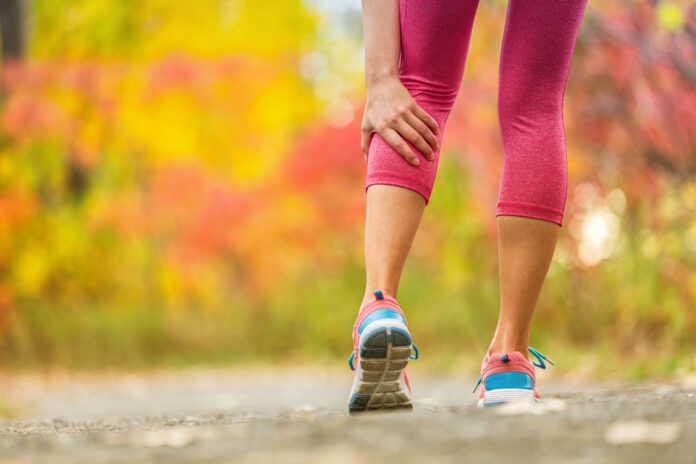
Leg cramps suck, they cause the muscles in your legs to seize up and have painful contractions. There are several causes for leg cramps and just as many ways to treat them but treating a leg cramp properly requires knowing the exact cause of the cramp.
Whether you are an athlete or just an average person, chances are you have had a leg cramp at some point. If you have had any form of a cramp, then you know just how painful these muscle spasms can be. Muscle cramps can even cause muscle tears in extreme examples, but this generally only occurs in performance athletes, typically involving steroid use as well.
Two of the main causes of leg cramps are dehydration and having a potassium deficiency. Both of these problems are easy to remediate and doing so almost instantly cures the cramping. Eating a banana is not going to stop your leg cramps right in the middle of a cramp, but it can help reduce or eliminate the cramping within an hour if a potassium deficiency is a cause.
Likewise, there are better solutions for dehydration cramps than just drinking a glass of water. Drinking a glass of water helps replenish the water that you have lost, but it does nothing to replenish the electrolytes and nutrients that your body needs to function properly. These elements are lost through sweat and are not replenished with water alone.
10Drink Pickle Juice

This is a common strategy used by sports coaches all around the US. Strangely, despite the effectiveness of this method, few people in other countries are even willing to try it. British parents have expressed their disgust at the thought of drinking pickle juice. They do not know what they are missing. Pickle juice is one of the best methods of treating leg cramps in athletes.
Typically, when athletes, especially young athletes, get legs cramps, it is because of dehydration. This is a combination of heat, practice, and often poor diet. Pickle juice is filled with salt and other electrolytes. When you drink the juice, it replenishes these lost electrolytes and allows the nerves in your legs to function normally again. Many coaches and parents even freeze the pickle juice. By freezing it, you can simply have a popsicle made with pickle juice. Some people find that this makes it more palatable, others find it off-putting either way.
Depending on where you live, it may be very easy to get all the pickle juice that you need. This is especially true if you volunteer for a sports team and are looking for solutions for the players. Check with local restaurants and grocery stores to see if they can save their pickle juice for you. In small towns with popular sports programs, this is especially easy as most people have no use for the juice and are more than happy to help their team in any way that they can.
9Eat a Banana

You may be asking, why would eating a banana specifically help with cramps? It is simple; bananas are an excellent source of potassium. Potassium and magnesium are two of the most important elements when it comes to preventing leg cramps.
Simply eating a banana is all that you must do if your cramps are caused by a mineral deficiency. Bananas contain all the minerals that you need to prevent cramps, and because they are pretty much solely starch, they digest quickly. This means that the minerals are absorbed quickly and able to reduce your cramps.
There are other fruits and vegetables that can be eaten as well; bananas are just the most readily available and effective. You can also take a multi-vitamin to get the minerals that you need. If you opt to use this method, be sure to eat something with the vitamin. Studies have shown that the body does not readily absorb most of the vitamins in a multi-vitamin. When they are taken with food, most of the vitamins are still lost, but more is absorbed.
This method is only effective in one example of leg cramps, however. It does not work for cramps caused by dehydration or poor circulation, only those related to mineral deficiencies. For best results, you should eat at least one or two bananas per week to maintain potassium levels.
8Stretch the Cramp Out
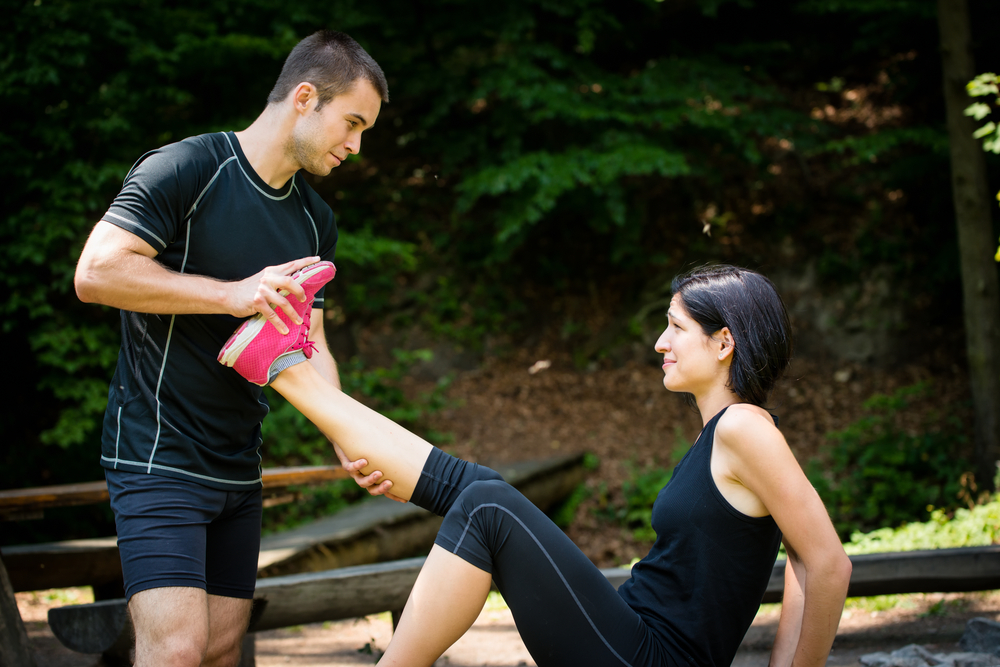
It may seem counter-intuitive, but stretching can actually help to reduce the cramp after it has started. By stretching, you are encouraging the muscles to relax and go back to a resting position. It doesn’t always work, but it can certainly help depending on the severity of the cramp.
Of course, not every cramp can easily be stretched out, but most in your legs should be very easy to stretch. This can be as simple as pulling your toes towards yourself if your calf is cramping or touching your toes if it is your hamstring that is cramping. The longer a cramp occurs, the greater the chances are that it could lead to injury. Most cramps do not cause injury, but severe examples can cause serious injuries that require surgery to correct.
Stretching is also an excellent preventative exercise to prevent cramps from happening at all. Stretching your muscles causes them to loosen up and makes them less prone to trigger a cramp. You can also use a foam roller to really help your muscles relax. These are available cheaply online and in stores and can be a great help for those who suffer regular exercise-related cramps. Taking the extra time to stretch can often prevent cramps, making your workout longer and better.
7Use an Anti-Inflammatory

Using an anti-inflammatory drug can prevent cramps before they even start. If you are suffering from a series of cramps, they can also help to reduce or stop the cramping. Obviously, like any medication, there is a delay in the effects of the medication, so this is better used as a preventative measure than a treatment.
If you choose to use an anti-inflammatory, NSAIDs like Ibuprofen are a good choice. Plain aspirin is also a good choice for treating muscle spasms and cramps. If you have any type of medical condition, it is best to check with your doctor before you begin taking any new medicine. This is especially true if you plan to take it on a regiment such as an aspirin regiment.
Aspirin is typically recommended to people with heart conditions because it helps to reduce the thickness of the blood with minimal side-effects. Thanks to this, aspirin is generally considered safe, but it can have unexpected interactions with other medications. It can also reduce blood thickness too much if you are already taking a blood thinner.
Ibuprofen is generally considered the best option for a simple anti-inflammatory. It is available in generic and name brand versions. There are even versions specifically made for cramps. These typically include extra vitamins and minerals to reduce dehydration. Other versions are also available based on your needs. Once you get the OK from your doctor, an anti-inflammatory regiment can reduce or eliminate cramping during your workout.
6Use a Cold Compress
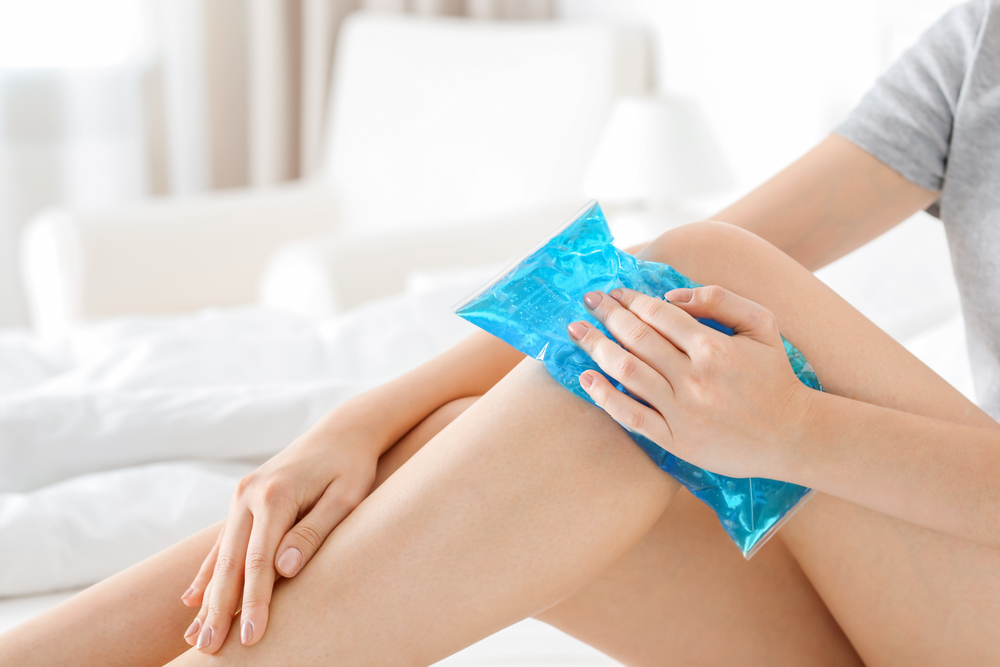
Using a cold compress is not going to help stop the cramp itself, but it can help reduce the pain. This is thanks to the fact that cold numbs nerve endings, making the nerves unable to send pain signals to the brain.
This method is best used for the immediate treatment of cramps that do no go away quickly. It should not be used as continuous treatment; instead, you should try to figure out the cause of your cramps. If you are working out and at risk of a cramp, however, keeping a cold compress on hand can reduce the pain from cramps and speed up recovery.
You can also try alternating between hot and cold compresses. This prevents the brain from being able to register that your muscles are in pain. A hot compress, however, works by relaxing the muscles themselves. This is better for continuous cramps. By relaxing the muscles, you reduce the risk of a reoccurring cramp.
It is important to remember when treating a cramp with a compress to use cold now and heat later. Heat does not reduce the pain while the cramp is occurring. If you are not careful, you can easily make a cramp worse by tensing the muscles that are cramping already. This can cause the cramp to spread to surrounding muscles or more muscle fibers in the same area.
5Focus on Flexibility

Muscle cramps often happen when the muscle is stretched too much and is trying to shrink back down. This makes some cramps very easy to prevent. Since the cause is the length of the muscles and the flexibility of the joints, it is very easy to reduce or even eliminate these cramps by properly working out your muscles.
Cramps can form due to neglect, so preventative maintenance is certainly needed, but it is not the only option. The other option is to work on increasing your flexibility and stretching.
The two main methods of accomplishing this are yoga and Pilates. Both workout regimes are very similar, but both offer unique experiences and variations. Every class is going to be different, and no two instructors are going to have the same methods.
Pilates tends to focus more on building strength in addition to flexibility. Yoga, however, is more about building flexibility, core strength, and balance. Pilates is typically done in a normal gym setting with mats to prevent injury. Yoga can be performed in a typical gym setting, outside, or even in a sauna. Many people choose to practice yoga in a variety of different locations. Parks are a common option, but one that is growing in popularity is hot yoga. Hot yoga is exactly what the name implies; you do yoga in a very hot room. Often these classes are performed at over 100 degrees and are meant to cleanse your body while performing yoga.
4Go for a Daily Walk

If you are one of the millions of adults that experience random nighttime foot or leg cramps, it may be time to start going for a daily walk. Thanks to the office culture many people work in today, most people spend all day sitting at a desk, not walking around. This causes massive damage to your body, but one of the worst effects is the damage it does to your circulation.
By sitting down all day, you reduce the amount of work need to circulate blood throughout your body. This leads to poor circulation in the legs, which requires more energy to pump blood through thanks to the need to fight gravity. Simply taking a 15-30-minute walk every day can reduce these effects. It cannot eliminate the damage caused by sitting, however.
The best option for those who work in an office is to get a standing desk. Since this is not always an option, another possibility is to take a walk every hour. You do not need to take a long walk. Typically, a five-minute walk each hour is all that is needed to help restore circulation to the legs.
Be sure to talk to your boss before you start taking these walks. Explain that it is to improve your circulation and health. In most cases, your boss is likely to encourage this. A sick employee is less effective than a healthy employee. You may even be able to start a group that walks together each hour and improve the health of your entire department.
3Walk it Off (Gently)

Full disclaimer upfront, you should never, ever, try to play through the pain when you get a cramp. Trying to push through the pain of a cramp can cause severe injury resulting in muscle tearing or a popped tendon. Both of these injuries can be career-ending when it comes to sports, so it is not worth the risk of injury and permanent damage to your body.
If you do have a slight leg cramp, you can, however, try to walk it off. Do not try running or overexerting yourself, simply walk around and let the cramp work itself out. As you walk around, you should notice the cramp loosening up and getting better. It should go away on its own within a few minutes at the most.
This works in two ways. First, it allows fresh blood to get to the muscles. This replenishes the oxygen supply and allows the muscle fibers to react as they normally would. This is especially helpful for cramps caused by poor circulation. Poor circulation is one of the top causes of leg cramps in adults, so do not dismiss the benefits of increased blood flow.
The second reason that these method works is because it stretches out the cramp. As you walk around, the cramp should slowly stretch itself out, even if you are not purposely trying to stretch it. You should try to stretch it some to speed up the process, just do not overdo it.
2Ease into Your Workouts

Leg cramps can often happen as a result of too much activity all at once. When this happens, the muscles are overworked and overheated in too short of a time for them to be able to handle. This causes them to cramp in response. Preventing this, however, is easy to do.
In most cases, you simply need to extend your warmup and stretching period. This gives your muscles more time to loosen up and get warm and ready to work. One of the worst things that you can do is skip your warmup altogether. This is a quick way to injure yourself, as well.
If you are new to working out or you are just returning after a long break, try reducing the intensity of your workouts. It may seem like a more intense workout is better, but this isn’t always the case. If you overwork your muscles, you can actually reverse your progress in certain circumstances, becoming weaker as your workout. By taking a step back and reducing the intensity of your workouts, you get several benefits. First, you reduce your risk of injury. This is an important one, no matter how you look at it. If you injure yourself working out, you are more likely to lose the habit and return to not working out.
The second major benefit is that it makes creating a habit of working out easier. It is much easier to get yourself to the gym for a workout if you know that you can walk the next day. If you are too sore to move for a week after working out every time, then you are less likely to stick with it for the long-term commitment that you need.
1Take an Epsom Salt Bath
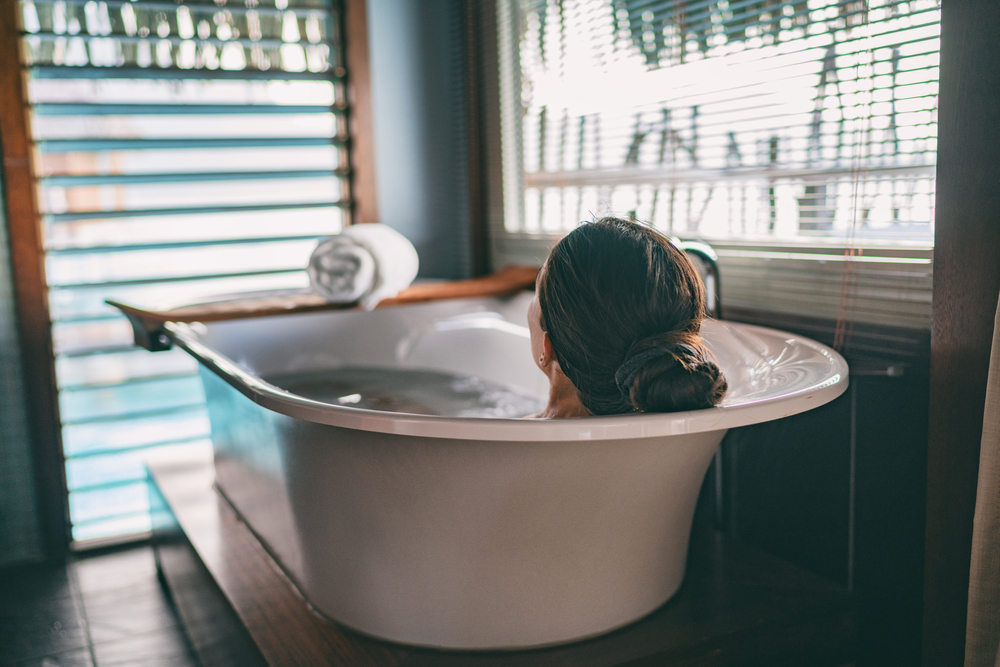
Epsom salt is pretty much just magnesium. When consumed, it is used as a laxative and does its job well. There are many more uses for Epsom salt that just as a laxative, however. It has other uses in wound treatment, muscle recovery, and even treating infections.
Taking an Epsom salt bath is one of the most effective ways of getting more magnesium into your body. Magnesium, unlike most minerals, can easily be absorbed through the skin when mixed with warm water. This is why you should take a warm bath with Epsom salt; the warm water allows it to enter your body and absorb easily. In many cases, it is easier for magnesium to absorb through the skin than the digestive system. The warm water also helps to relax the muscles, reducing the cramp itself and relaxing you as well.
Another major benefit of Epsom salt is that it can be used to treat an abscess or boil. These are caused when a cyst bursts inside of your skin. Often, they must be lanced by a doctor and drained. In some cases, however, a soak in a warm Epsom salt bath can draw the abscess to the surface and cause it to burst. Once it has opened, the Epson salt also creates a sterile environment and works to draw the remainder out of the abscess.
Conclusion
Leg cramps are unfortunate and a very painful fact of life. Some people are sure to have them more than others, but almost everyone is sure to experience at least one leg cramp in their lifetime. Knowing how to treat these cramps can save you a lot of pain and suffering, particularly when your cramps are being caused by a deficiency of some sort.
By treating deficiencies that cause leg cramps, you can easily eliminate the source of the cramps entirely and move on with your life. Even if it is not possible to eliminate your leg cramps, knowing a few tips and tricks for treating leg cramps can make it easier to deal with when they do happen. Even reducing a cramp by only a few seconds can make a significant difference in your pain level and recovery.
In most cases, once the cramp stops, there is no further damage. Sure, your muscles may be sore, but there are no tears or permanent damage. There are exceptions, however, and they can be painful and often require surgery. The two most common forms of severe injury are torn muscles and popped tendons. A torn muscle occurs when the muscle fibers themselves tear. A popped tendon happens when the tendon, the tough tissue connecting your muscles to your bones, separates or tears from the muscle or bone. Hopefully, using one or more of these tricks, you can reduce the pain of leg cramps and possibly prevent future injury as well.