Rivers are one of the most important geological features in the world. Literally, without rivers, most of the human civilization would never have existed. They are a source of life-giving water, often in otherwise barren lands. Clean water and the nutrients that come with it are essential for a community to grow beyond a small village.
Almost every major civilization has arisen around a river or series of rivers. Ancient Egypt formed around the Nile River while Mesopotamia, which literally translates to ‘Land between the rivers,’ formed between the Tigris and Euphrates Rivers. Moving to the Far East, and you have China. Chinese civilization also arose along two separate rivers. These are just a few examples of civilizations that were only able to form thanks to the rivers they arose near.
Rivers can also have a huge impact on the land itself. While water may seem harmless enough, over time, it can cause major erosion. The Rio Grande formed the Grand Canyon over the course of several hundred thousand years. It slowly carved away at the ground every second of every day. Over time great results formed.
On the other hand, rovers can impact the land rather quickly. The glacial rivers of Alaska can change their riverbanks every few years thanks to the rocky soil and rapid erosion. This makes building bridges and other passes difficult since it is impossible to predict the erosion patterns. What may seem like a perfect anchor point this year could be completely underwater next year.
If you want to learn more about some of the most impressive rivers in the world, keep reading. Below are the 10 longest rivers in the world.
10Congo 2,716 Miles
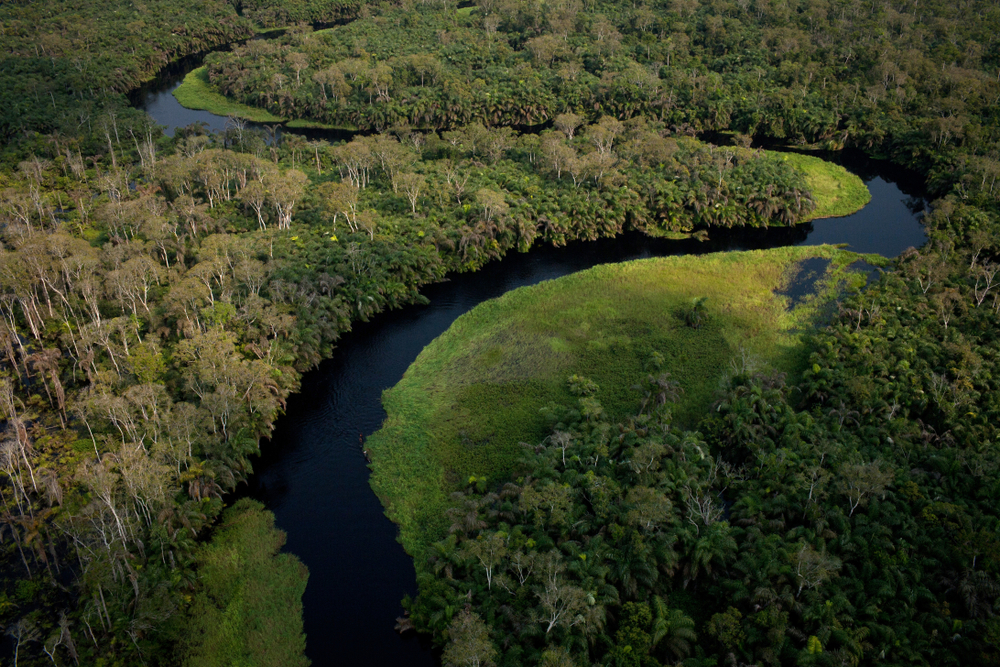
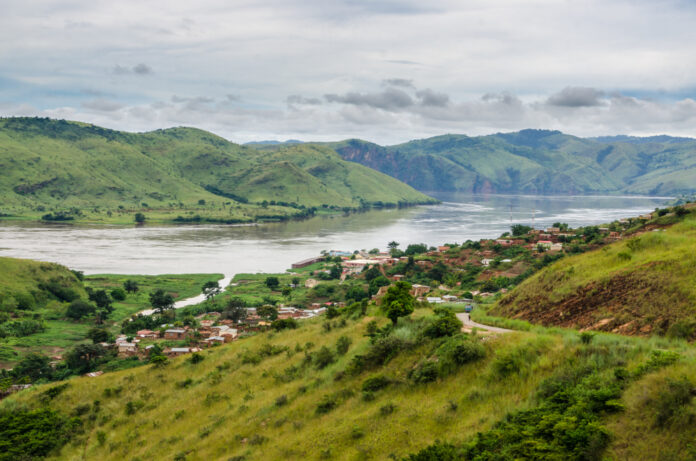
The Congo River is the 10th longest river on Earth and the second-longest in Africa, second to the Nile River. The Congo is also the most powerful river in all of Africa. Its watershed is larger than the Mississippi River in the US and Canada, making it one of the largest rivers in the world in terms of water volume as well as length. This makes it second only to the Amazon River in terms of water flow. It is also second only to the Amazon in terms of water discharge.
Unlike many of the other rivers on this list, the Congo never gave rise to a great civilization. This is largely due to the fact that it is located in the heart of a rainforest. On the surface, one would think that rainforest land makes excellent farmland, but the opposite is true. Thanks to the constant rain and old-growth forest, rainforests actually have very poor-quality soil.
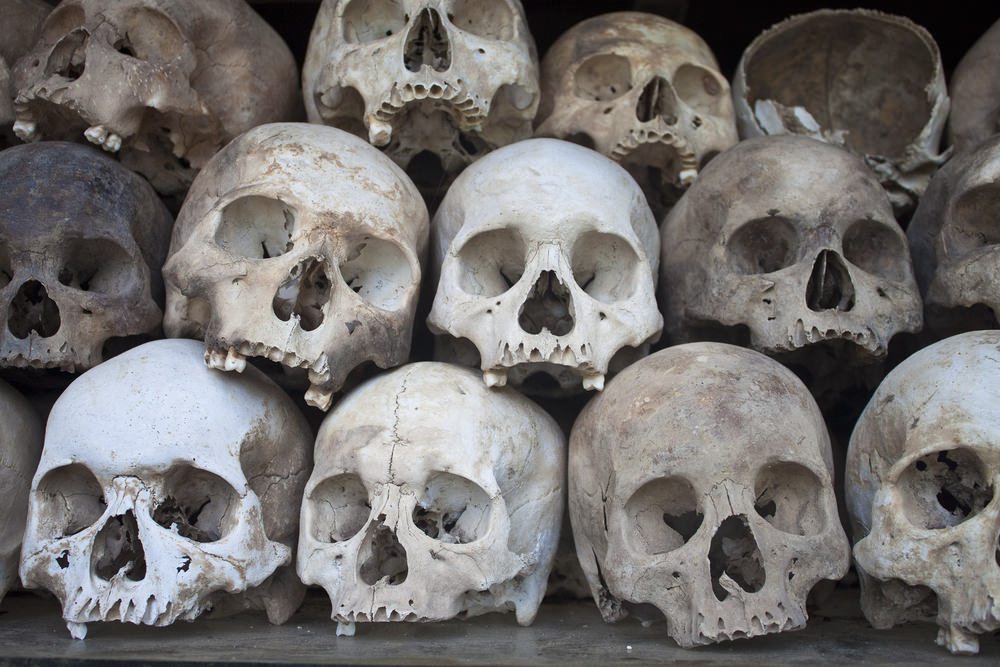
The Dutch, however, conquered the area during the age of colonialism and subsequently unleashed horrors that the world would not see again until the Holocaust. Most people never learn about the Dutch involvement in the Congo, but it was one of the worst cases of genocide in modern history. More people died at the hands of Dutch colonizers than died at the hands of the Nazis during the Holocaust.
9Irtysh 2,758 Miles
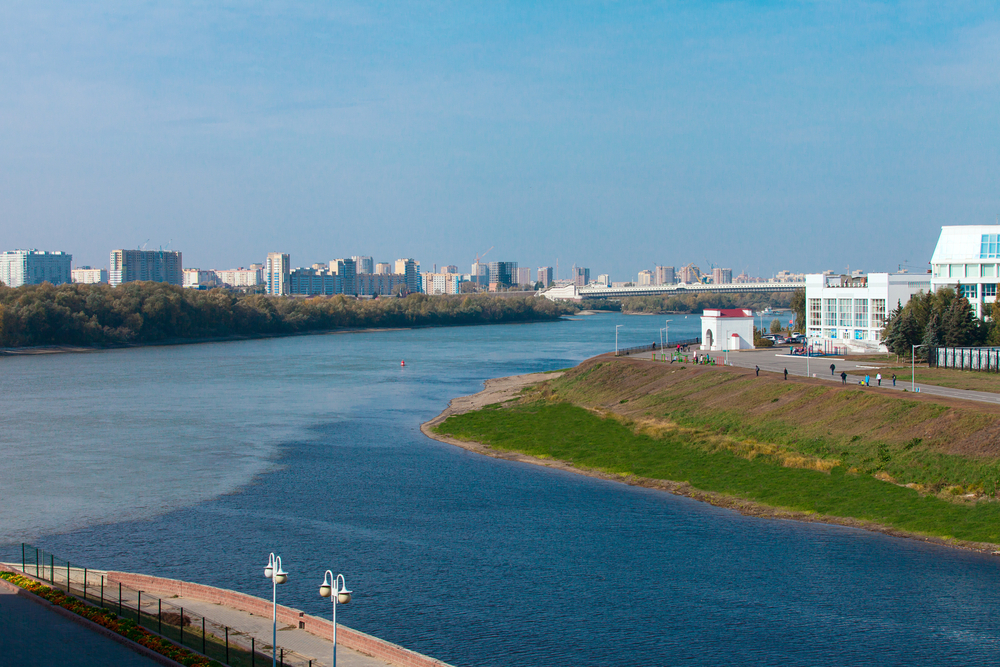
The Irtysh River is located in Asia and flows for 2,758 miles before ending. It flows through Kazakhstan, Russia, and China. It is also the primary tributary of the Ob River, the longest river in Russia, and one of the longest in the world. The Ob River is home to several species of sturgeon that are valued for their caviar.
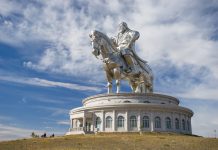
Both the Mongols and the Turkic people rose around this river. Eventually, the Mongols would go on to conquer China, and the Turks would move West to modern-day Turkey.
The river is home to several different biomes and the different species that inhabit these various biomes. The most important animals are the valuable fish stocks of the river and the many fur animals that live along its banks. The river traverses through steppes, forests, and marshy wetlands before emptying into the Ob River, which runs through much of western Siberia.
The river is in danger of overuse in the future. The current biggest drain on the resources is China. The Chinese population relies on the water from the Irtysh River to survive. Currently, the population of China consumes around 30% of the river’s discharge. This intense usage puts the river itself at risk of running dry in the future. As rivers are overburdened, the underground water sources that allow the river to exist begin to dry up. Over time this can lead to severe water shortages and even entire rivers running dry. Needless to say, this would be disastrous for the world, but especially the population of China.
8Parana 2,795 Miles
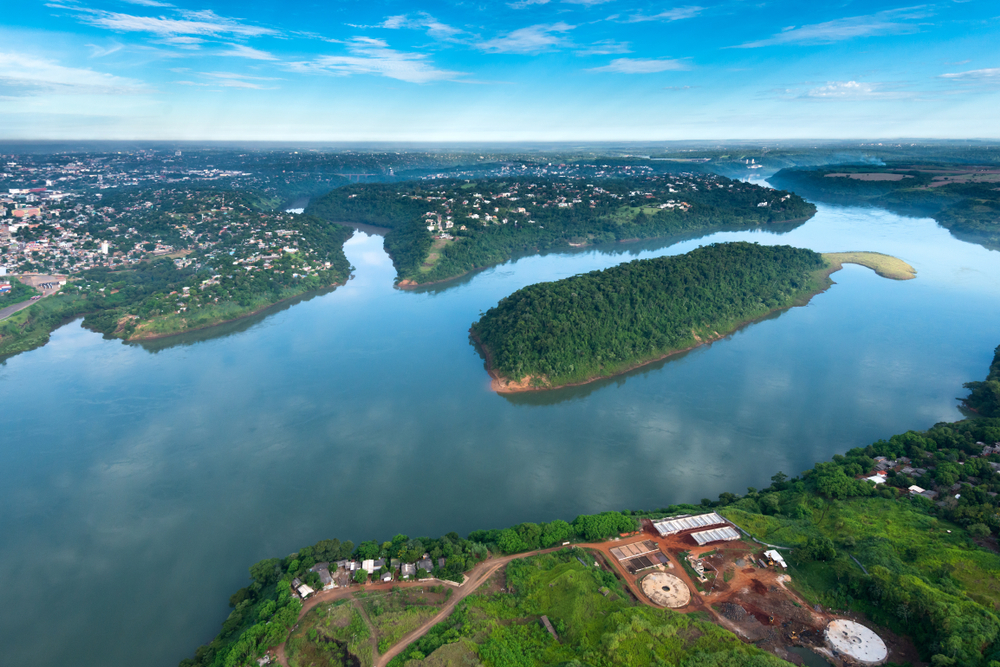
The Parana River, the namesake of the Parana fish, is a river located in South America that runs for a total of 2,795 miles. It is the second-longest river in South America after the Amazon River. After its almost 2,800 mile journey, the Parana River empties into the Uruguay River, which flows to the Atlantic Ocean and empties into an estuary.
The Parana fish, which gets its name from the Parana river, is not actually as voracious as most people believe. While they certainly look intimidating with their protruding, razor-sharp teeth, but they are actually scavengers, not predators. Their teeth are meant for tearing apart already dead flesh as fast as possible to compete with the other fish in the area and other Paranas.
It is true that Paranas do eat people on occasions, but these events are rare. In most cases, this occurs when the fish have been starved due to a lack of food in the area. They can certainly be a serious threat when working together. Since they typically swim in schools, this is to be expected.
7Yenisei 2,800 Miles
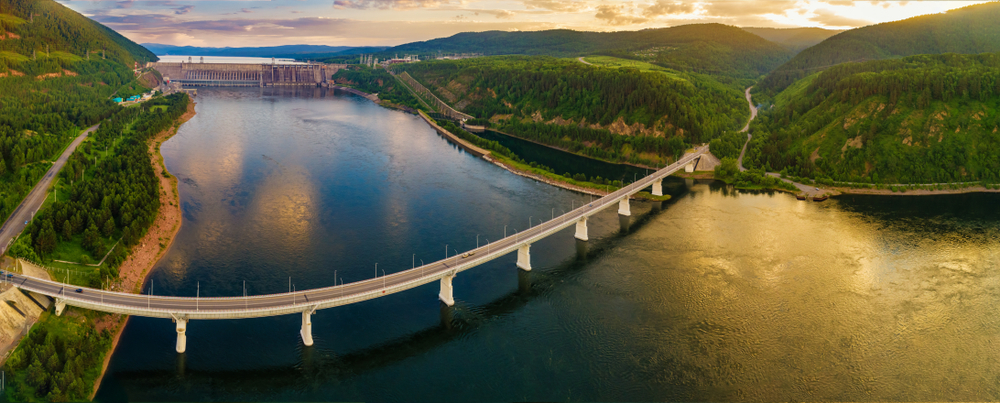
The Yenisei, or Ioanesi, which means ‘Great River,’ is one of the longest rivers in all of Asia. It is located in Russia and is the sixth-largest river in the world in terms of water discharge. It runs South to North right through the heart of Siberia, one of the largest areas in Russia.
On average, the temperature is at its highest in July with an average of around 54 degrees. During the winter, this can drop to average lows of -25 degrees. In extreme circumstances, it can get even colder. Siberia is one of the coldest regions on Earth.
The Great River has given rise to several smaller civilizations along its banks. While none of these went on to become the great civilizations that are studied in school today, many of them still survive in this area of rural Russia. Russia is so large that it is easy to forget that they are not a single people, but various different civilizations live throughout its vast landscape. The western European portion of the country is what most people think of when they think of Russia, but the Eastern portion of the country has unique cultures that are distinctly Asian in origin, not European.
The Yenisei River is home to numerous industries today and throughout history. Fishing plays a major role in the use of the river, but it is also used for mining nonferrous metals and coal, as well as hunting game and fur animals. Since the 1950s, the government has also been working to utilize the hydroelectric potential of the river. They have built several hydroelectric dams along the river and plan to continue adding more to meet the growing power needs of its citizens. Current production is around 25 million kilowatts of power.
6Yellow River 2,900 Miles
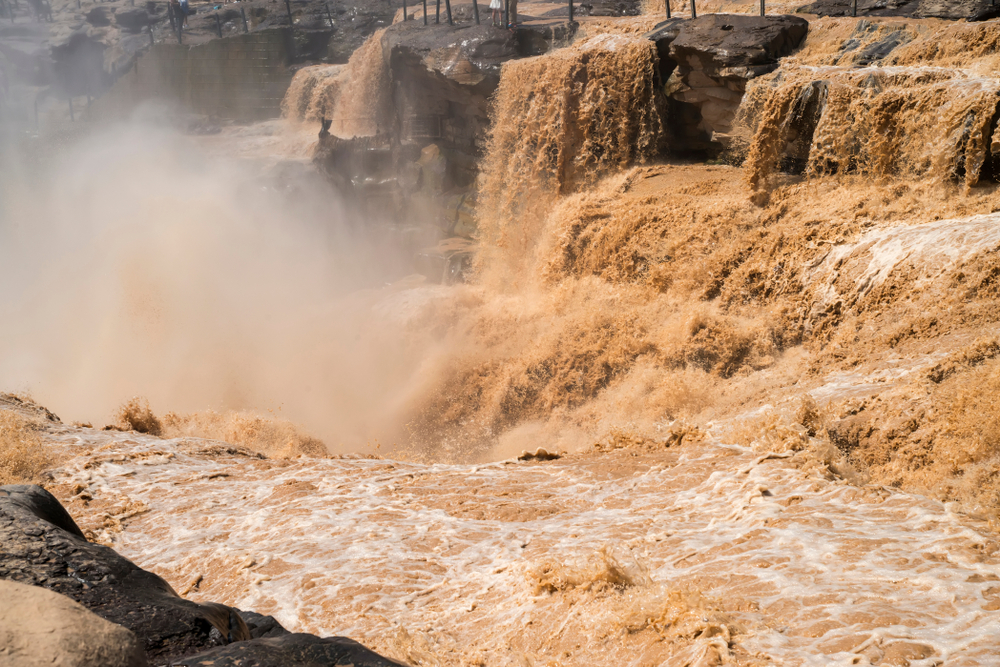
The Yellow River was one of the first two rivers that civilization arose around in ancient China. While archeological evidence suggests that the Yangtze also played an important role in pre-Bronze age China, written sources suggest that most cultural developments were centered around the Yellow River.
There are numerous findings around the Yellow River, including some of the earliest examples of Chinese writing. While this writing clearly varies from modern Chinese, there is no denying the connection between the two. These early writings were on turtle shells. It is believed that these shells were thrown into the fire to see how they would crack and break to make predictions about the future. The river is so important to Chinese history and culture that it is still called the Mother River today.
There are also several legends surrounding the Yellow River. Many of these involve spirits from Heaven, helping the early Chinese people. For example, in one legend, humans are taught how to make fire by drilling wood by a spirit sent by Heaven.
The waters of the Yellow River have been vital to the development of Chinese culture over the course of several thousand years. It is so important that it is still revered today in a similar manner to how Americans hold the Mighty Mississippi in such high regard. While its significance in daily life has greatly diminished, the Yellow River remains one of China’s most historically relevant rivers.
5Ob 3,459 Miles
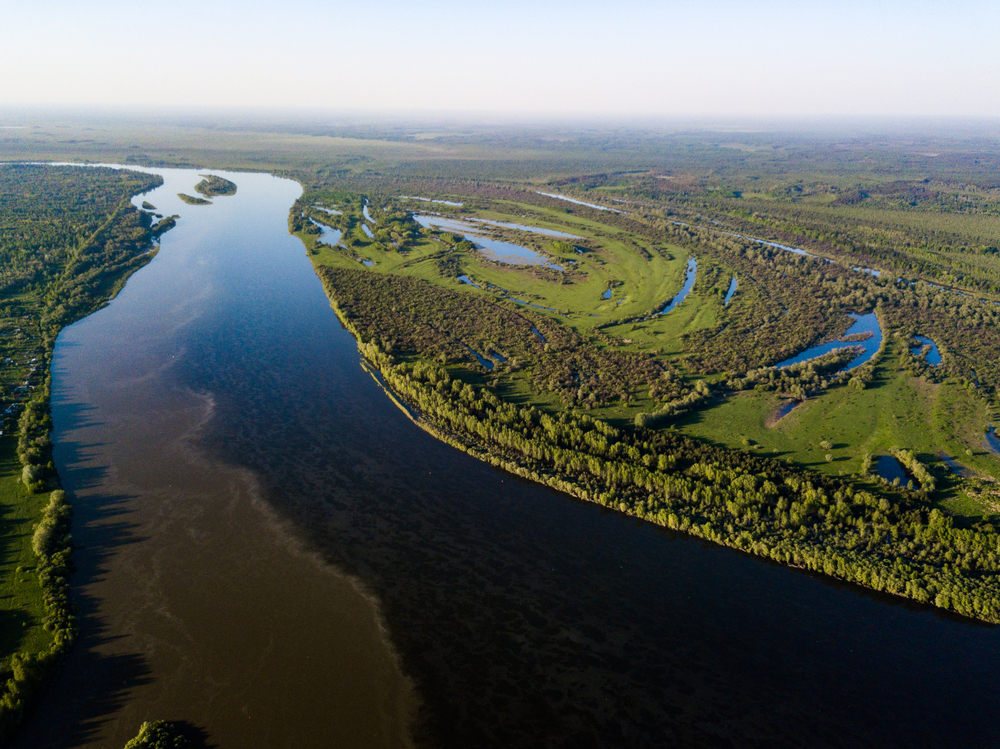
The Ob River is the longest river in Russia, running a total of 3,459 miles before ending. This river has been an economic boom for the region for hundreds of years. The river is home to numerous species of valuable fish, including several species of sturgeon. These sturgeons are valued for their eggs, which are used to make caviar.
The Ob River mainly flows in Western Siberia. It is a winding river that has numerous twists, making the river’s bird’s eye length much shorter than its total length. It is located almost directly north of India and flows across much of the middle of Russia.
The weather in the area is typical of Siberia. The summers are warm but very short, while winters are long and extremely cold. Average low temperatures in winter can reach -18 degrees. In extremes, this can reach even lower extremes, often reaching -40 degrees or below.
The Ob River empties into the Arctic Ocean. It empties a total of 95 cubic miles of water into the Arctic every year. This makes it the third-largest discharge into the Arctic and accounts for a full 12% of the Ocean’s total water intake for the year.
4Yangtze 3,602
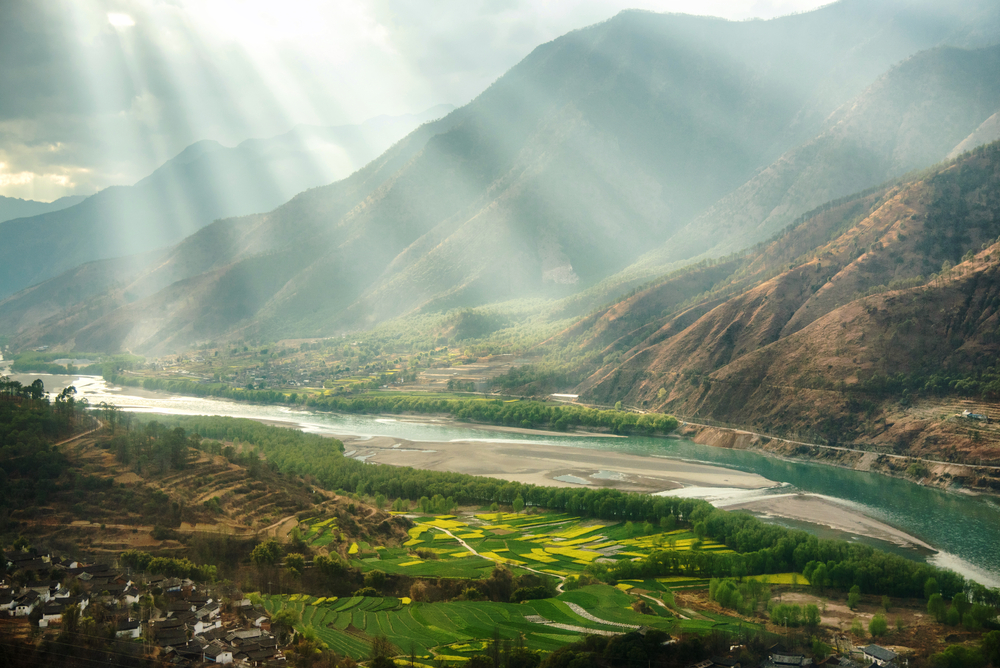
The Yangtze is the longest river in all of Asia. It is also the longest river in the world that flows entirely within a single country. The Yangtze is located in the middle of China and was one of the original rivers that Chinese civilization arose around. The Yangtze was believed to have been a later development during the Chinese Bronze Age, but archeological evidence has suggested that this region was inhabited from the very beginning of Chinese history.
Today the Yangtze remains a vital river in China. The river basin is home to a full 1/3 of the Chinese population, making it one of the most densely populated areas in the world. The river is so important that it acts as a barrier separating Northern and Southern China. This boundary is seen as geological, environmental, cultural, and economic.
In addition to housing a full 1/3 of the Chinese population, it is also hosted to the Three Gorges Dam Project. This is the largest hydroelectric project in the world. It can produce significantly more power than the Hoover Dam or similarly sized projects around the world.
Historically the Yangtze was used as a major trade line. It made it possible to easily connect the heart of China to the South China Sea. This then allowed traders to trade with people all around the world. Many of these early traders explored India, Southeast Asia, and Japan. By the time the Europeans arrived in China, however, the Emperors had decided to sequester the country. This was ended by force by the British with the Opium Wars.
3Mississippi River 3,710 Miles

This is technically not only the Mississippi River but also the Missouri River and Jackson River, forming a full river system. While it may not technically be a single river, the Mississippi River system is the third-longest river in the world when you combine the lengths of each of the rivers in the system.
This river system flows through two Canadian provinces before ever entering the US. Once it reaches the US, it flows through 31 US states before finally making its way to the Gulf of Mexico.
The Mississippi River system provides a vital backbone for shipping within the US. While not as utilized today as it was in the past, river transport is still widely used by the industrial sector. It is easier and cheaper to move extremely heavy loads over water than it is land.
The river is also a source of water for farming along the river. It also feeds an underground lake that covers almost half of the country. This aquifer supplies water to many communities throughout the US. The Downside is that nutrient runoff can cause dead-zones in the Gulf when it empties. This is caused by toxic algal blooms being fed by the nutrient runoff and sunlight. The algae can also deplete the water of oxygen, causing anything in the area to suffocate.
2Amazon 3,912 Miles
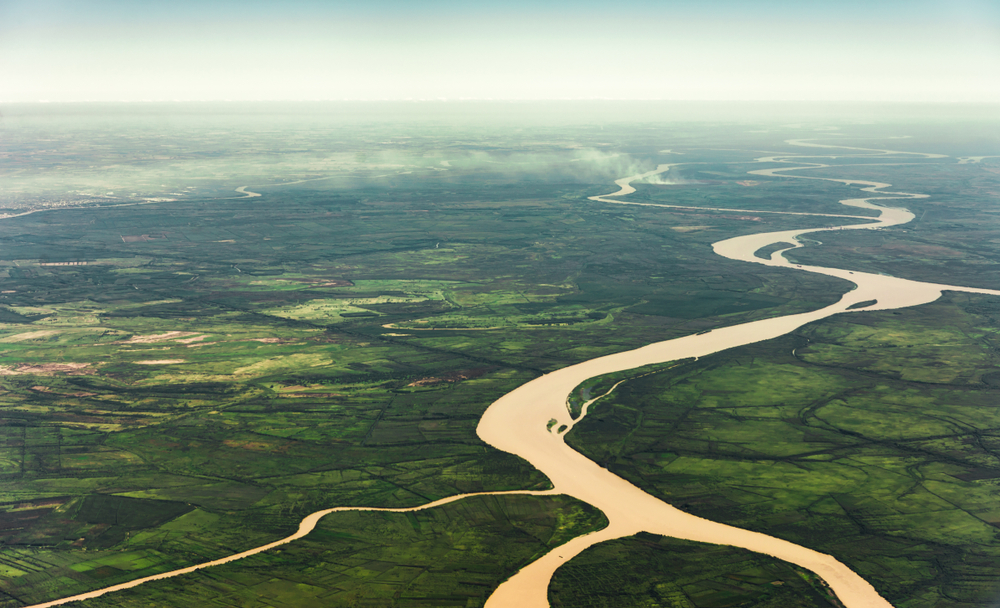
Amazon is one of the most recognizable rivers in the world. The Amazon is an astounding 3,912 miles long. Most people know the name Amazon, even if they are not familiar with the river itself. The company that bears its name has grown to become one of the largest online retailers in the world.
The river itself is located in South America in the Amazon Rainforest. This massive forest system is called the lungs of the world and acts as a giant carbon sponge. It is responsible for absorbing much of the pollution released into the air every day. While this carbon is released back into the atmosphere eventually, as long as the plant matter is not broken down or burnt, it remains trapped. Over time the organic matter is compressed under new layers, and this process eventually forms coal.
The Amazon is named after the Ancient Greek legend of the Amazonian warrior women. They were believed to have been a tribe of warrior women in Europe that would murder all of the men born into their tribe. When the Conquistadores invaded South America, it is likely that they encountered local tribes that wore their hair long. This, combined with the natives’ lack of body hair, led the Conquistadors to believe that they had found the lost Amazonian civilization. The name was given to the region and has been used ever since.
1Nile 4,180 Miles
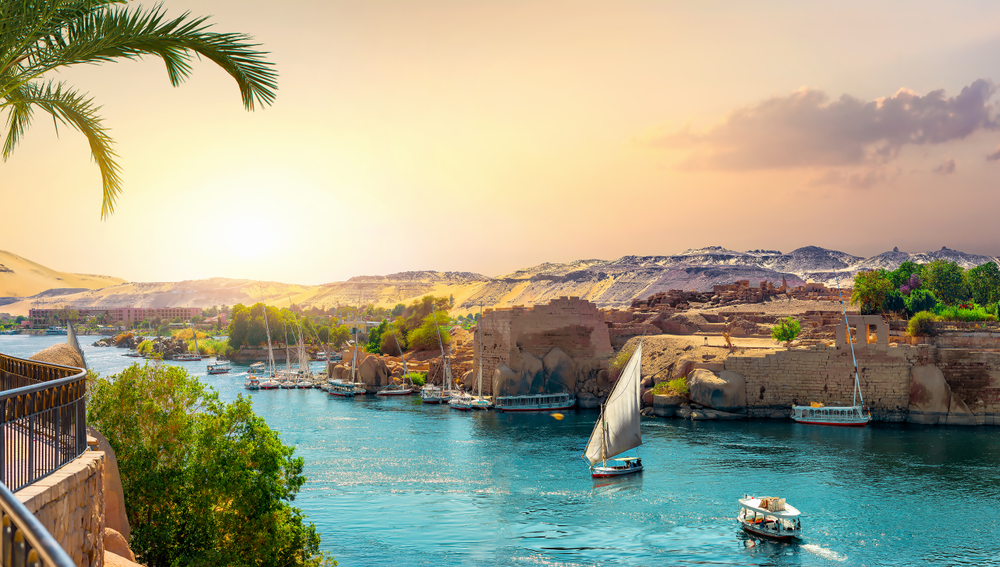
The Nile is another one of the most well-known rivers in the world. It is best known for being the essential lifeline for ancient Egypt. This great civilization would never have been able to exist without the water and silt provided by the Nile and its yearly flood.
One of the best things about the Nile is that its flooding pattern is regular and easily predictable. This made it easy for the early Egyptians to predict when the river would flood and by how much. This predictability made life in ancient Egypt relatively easy and peaceful. There was little need for conflict within Egypt since the Nile provided everything they needed.
The reason the yearly flooding was so important is twofold. First, it told farmers when to plant their crops. You would not want to plant before the flood, or your crops would be washed away. Second, it provides a yearly source of nutrient-rich silt to the land. This is why the Nile River area has been able to be farmed continuously for thousands of years. Most civilizations that reach this level of efficiency eventually overwork the land and leave it unfit for farming. The Nile, thankfully, prevents this from ever occurring. It is believed that this led to the fall of several Mesopotamian civilizations.
Conclusion
Rivers impact the land around us more than almost any other geological feature. Yes, some features such as volcanoes can cause much more sudden and violent changes, but rivers always make their changes over time. Over the course of millennia, rivers can carve giant canyons or even cut mountain ranges in half.
These 10 rivers are the longest in the world, but there are plenty of others with even more impressive features. There are rivers with rapids that can tear apart a boat and others that are entirely underground. It is important to remember that all rivers are dangerous, even the ones that look safe can be. You can easily be swept away by the current if it is too strong.
The importance of rivers too early civilizations cannot be overstated. Without the Nile River, Egypt would never have formed into one of the oldest empires on Earth. Mesopotamia would have never become one of the first cultural hubs, and the ancient Chinese may have never formed their first Dynasty. Rivers can be a blessing, but they can also cause great destruction. It is likely that the story of the flood from the Bible is relating the story of a real flood that destroyed several cities in Mesopotamia. The Tigris and Euphrates Rivers were known for sudden, unpredictable, and violent flooding that could literally wipe out entire cities.