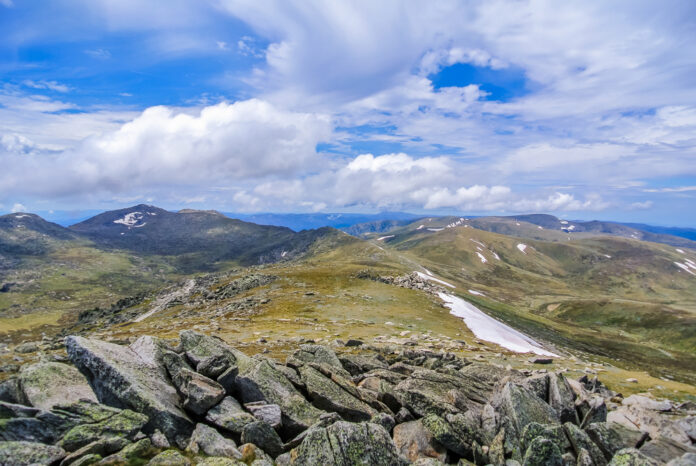
Everyone knows that Mt. Everest is the highest peak on Earth, but did you know that it is nothing compared to the tallest mountain on the planet? There are several peaks that come close to matching even Everest, but when it comes to the height above sea level, nothing can beat it.
Generally, mountains are judged by the height above sea level, not total height. For this reason, many of the highest peaks in the world are in the Himalayas. This is the same mountain range that Mt. Everest calls home. It should come as no surprise since this is where the sub-continent of India meets Eurasia. This tectonic activity makes the region very geographically active, leading to higher mountain ranges.
For the sake of diversity in this list, the bottom six positions are going to be based on the highest peak on each continent. The last four are based on total height. This is because basing the list on height alone, all of the mountains on the list would be in the Himalayas. The vast majority of the 109 peaks over 7,200 meters are in the Himalayas, with most of them falling between India, Nepal, Pakistan, and China.
All of these peaks are dangerous. The most dangerous climb has a fatality rate of 32%. The next on the list is 25%. If you are new to climbing, do not even consider any of the mountains on this list. Even with professional guides, without experience, it is a very dangerous climb to attempt.
10Australia: Mount Kosciuszko Height 7,310 Feet
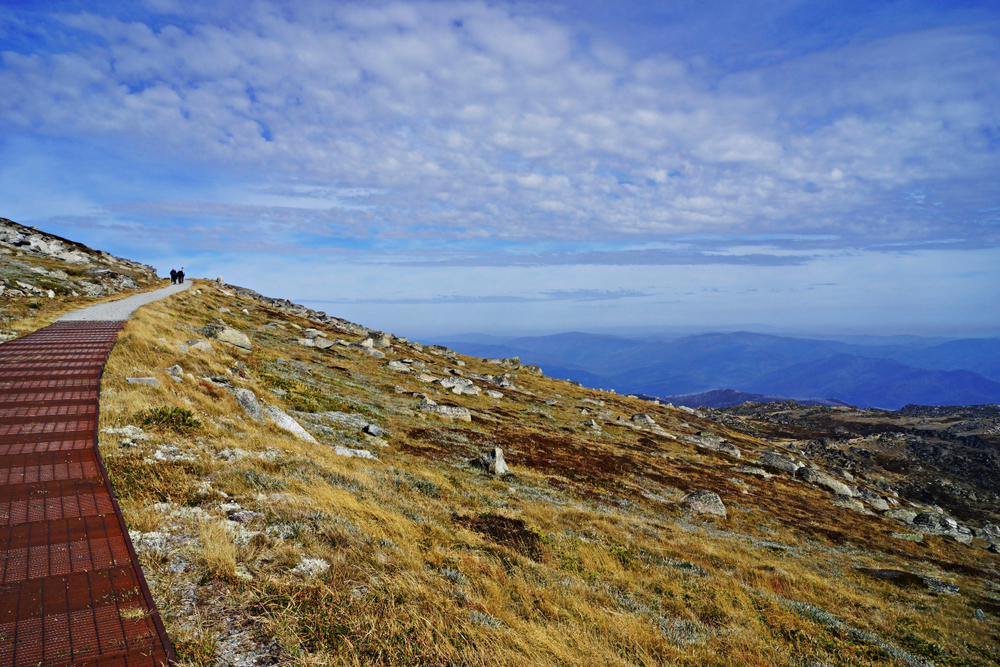
Starting in the Land Down under, the tallest mountain in Australia is Mount Kosciuszko, located in Australia’s Snowy Mountain Range. It reaches an elevation of 7,310 feet. This is one peak on the list that inexperienced climbers can consider. Thanks to its relatively low elevation, many of the dangers associated with high elevation are negated.
Where most of the mountain on this list require professional guides and months of planning to ascend safely, Mount Kosciuszko has trails already built to allow you to hike to the top easily. The hike typically takes a couple of hours. You should bring food and plenty of water along for the journey. The trail is rated as a grade three.
If you are in the area, you can stop by and enjoy a fun day at the mountain for just the cost of water and food. You can access the mountain all year, but it is typically snow-covered in the winter months. This means that between June and October, you need to bring snowshoes or skis. There are no snow flags to mark the way, so be sure to mark your path as you go. If you are wondering about the winter month, remember, Australia is in the Southern hemisphere, so the seasons are reversed.
9Antarctica Vinson Massif Height 16,050 Feet
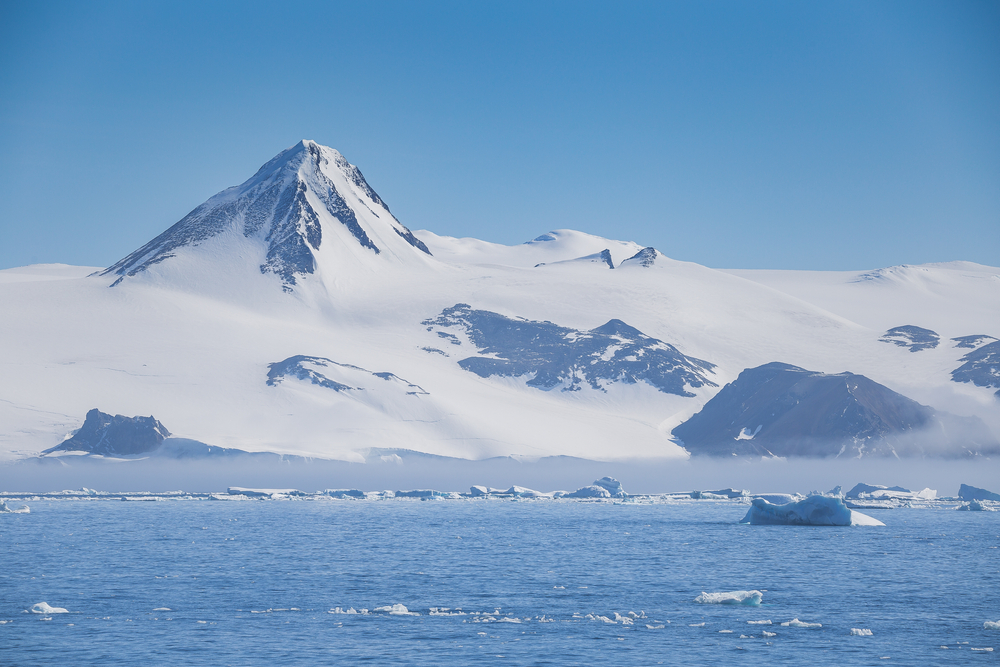
At the turn of the 20th century, if you had traveled to Vinson Massif, you would have barely been able to see the top of the peak. The rest of the mountain would have been encased in giant glaciers larger than mountains. Sadly, thanks to global warming, those glaciers have shrunk to a fraction of their former size. The peak is now clearly visible even from a distance, and the glaciers are nowhere to be seen.
It is located over 750 miles from the South Pole. It is also one of the Seven Summits. These are the seven mountains that are the tallest on each continent.
The best time to attempt to climb Vinson Massif is during the Summer months, specifically during the Midnight Sun. During these months, there is 24-hour daylight, allowing for easy visibility. The downside is that, even with all that sunlight, the average temperature is still only -29 degrees. This makes Vinson Massif the coldest and most remote of the Seven Summits.
Thanks to the remoteness and bureaucracy, as well as extreme conditions, a trip to climb Vinson Massif, can easily cost $30,000 or even more depending on the luxuries that you decide you need. Considering the high cost and extreme conditions, it may be best to sit this one out unless your goal is to climb each of the Seven Summits.
8Europe Mount Elbrus Height 18,510 Feet
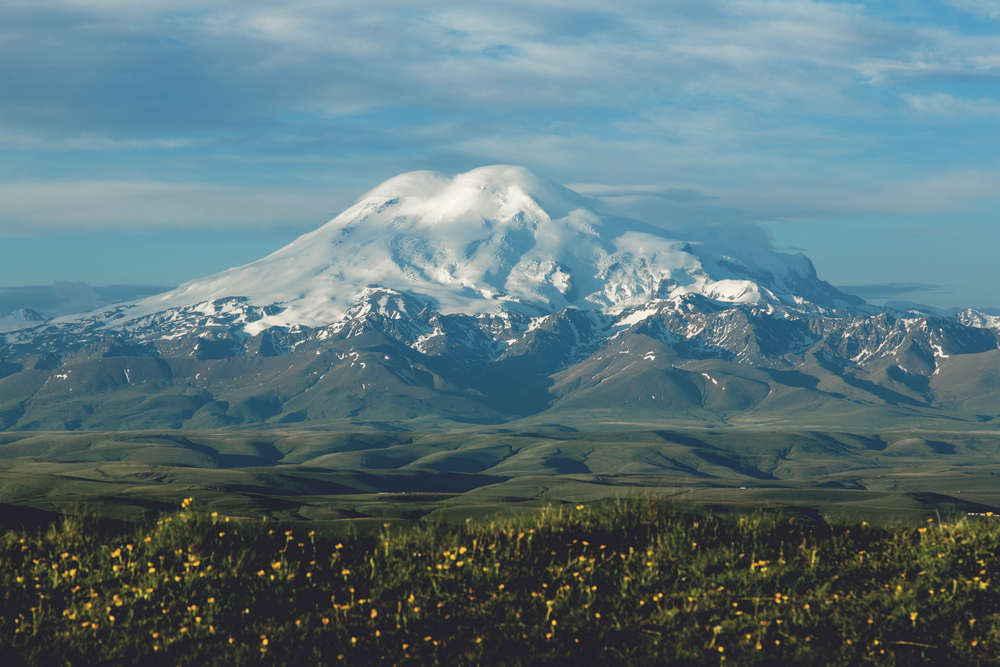
Moving back to the Northern Hemisphere, the tallest mountain in Europe is Mount Elbrus standing at an astounding 18,510 feet above sea level. This mountain is located in the Caucasus Mountain Range, located in Southern Russia. It is not only the highest peak in Europe, but it is also a dormant volcano. Technically it borders Asia and Europe, but most geographers place it in Europe.
Climbing this peak is best done during the Summer months when the average temperature is 18 degrees. Once you get above the snowline, they drop, even more, averaging a bone-chilling -22 degrees.
When climbing Mt. Elbrus, you can take a cable car to a height of 12,500 feet. From there, the government has installed a Standard Route that takes you to the top of the mountain. Many hikers feel a false sense of security because of the lack of crevasse, but other factors make the climb very dangerous. The most trying elements are the snow, wind, and low temperatures.
If you do find yourself caught in a snowstorm on Mt. Elbrus, there are public cabins in place as a safe place to rest and to get out of the weather. These are scattered throughout the Standard Route and can be used by anyone on the mountain. If you find yourself caught in a snowstorm, you might just be sharing the cabin with a few other guests as well.
7Africa Mount Kilimanjaro Height 19,341 Feet
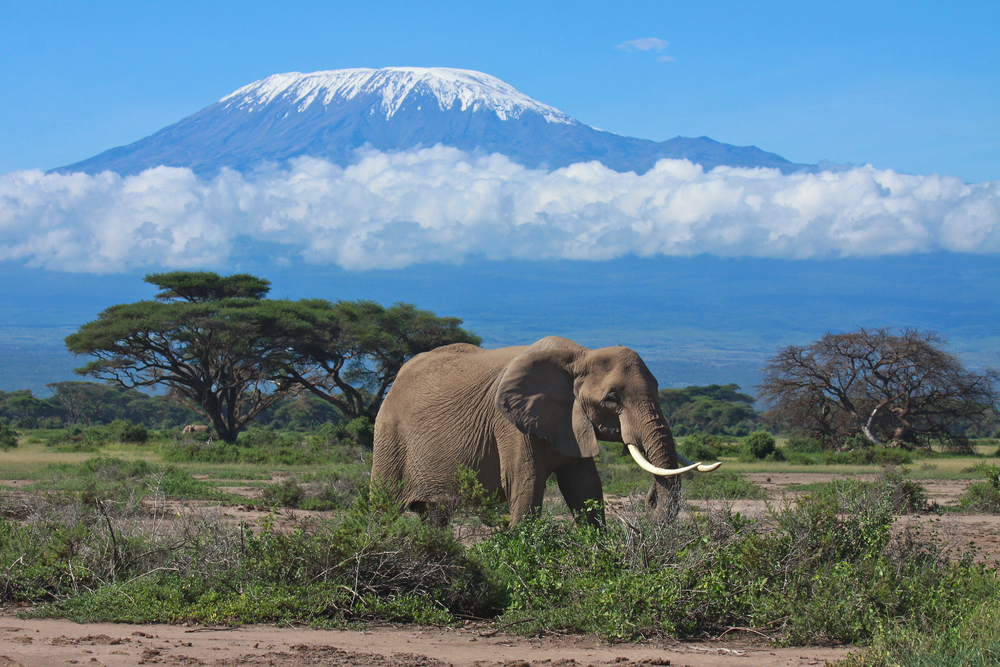
Mount Kilimanjaro is not only the highest peak in Africa, but it is also one of the most famous mountains in the world. Few people have not heard of the mountain, even if just in passing. It is actually one of three volcanoes that formed together. The entire range is known as Kilimanjaro, and Mount Kilimanjaro refers specifically to the highest peak.
Kilimanjaro is considered to be the easiest of the Seven Summits. The trek to the summit does not require any special gear or training. It is a hiking trail, not a serious climb. Despite the ease of climbing Kilimanjaro, it is still one of the Seven Summits thanks to its height.
All of the remaining mountains in the Seven Summits are part of ranges, but Kilimanjaro formed as a result of volcanic activity, not tectonic activity. This is also a unique factor for Africa; it is massive but lacks multiple mountain ranges. On every other continent except Australia, mountain ranges are common, but Africa only has a few. It has many more plains and jungles than mountains.
The last major eruption Kilimanjaro had was over 360,000 years ago, while the most recent activity was 200,000 years ago. It is dormant, but it could still erupt. Hikers that go to the very top and see the ash pit are greeted with the smell of sulfur from the magma underneath.
6North America Mount Denali Height 20,308 Feet
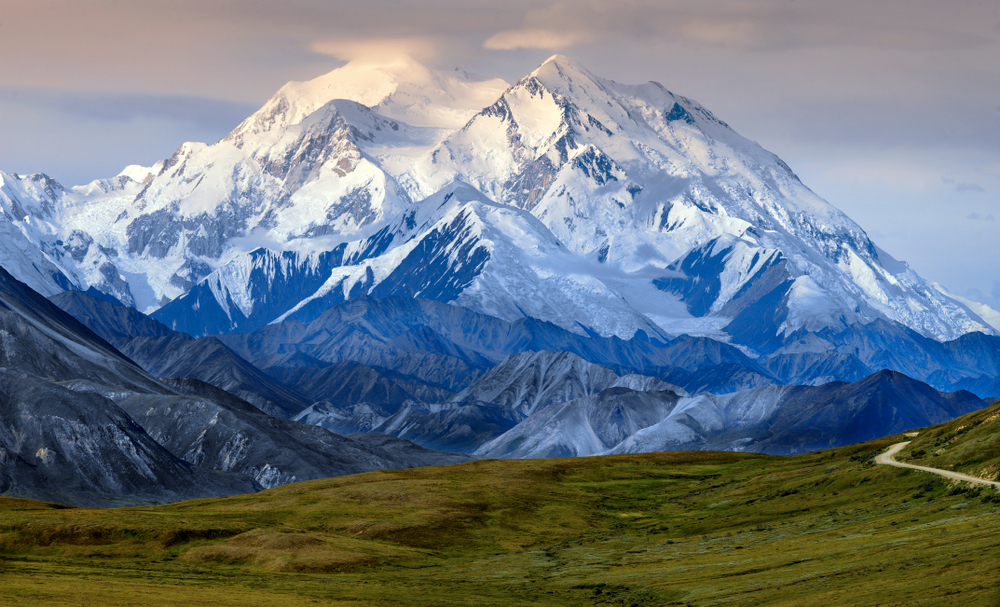
Mount Denali was named Mount McKinley for years, but those who live in Alaska always called it by its native given name, Denali. Mount Denali is the highest peak in North America and is located in Alaska, just a few hours north of Anchorage or south of Fairbanks. The mountain is a popular tourist attraction. The park surrounding the mountain is one of the most visited national parks in America and easily the most popular in Alaska.
The climb is very difficult, even for the Seven Summits. Only about 50% of the people that attempt to climb Mount Denali are able to reach the summit. The temperature towards the summit can reach as low as -120 degrees. At these temperatures, being exposed even for just a few seconds can result in extreme frostbite. Prolonged exposure can result in hypothermia within minutes at the most.
Unfortunately, Denali is being affected by climate change harder than most of the other mountains on this list. Thanks to its location so close to the arctic circle, the changes are more noticeable. You can see old pictures showing how large the glaciers used to be compared to how small they are today. This is true of most glaciers that remain in the world.
5South America Aconcagua Height 22,841 Feet
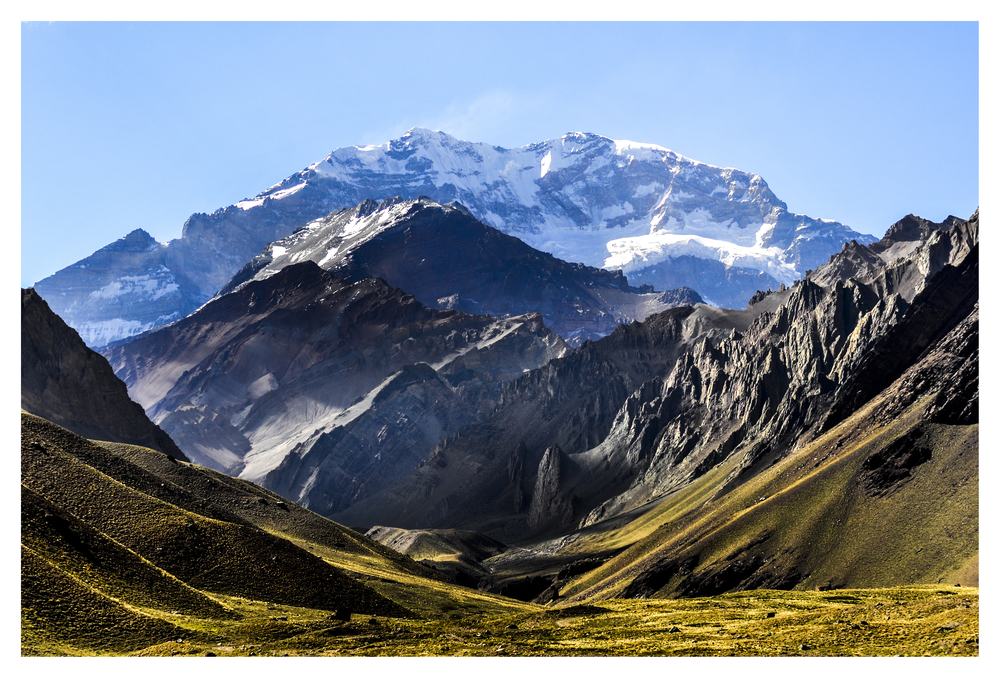
Moving back to the Southern Hemisphere, the next mountain on the list is Aconcagua, located in Argentina. This is the tallest peak in South America and hosts thousands of adventurers every year that hope to conquer its peak. The summit is an impressive 22,841 feet above sea level. At this height, oxygen levels are only at about 40% of what they are at sea level. This means that supplementary oxygen is often required or at least highly recommended.
Thanks to the extreme heights being reached, it is important to allow your body time to acclimate to the changing pressure. As you get higher above sea level temperatures drop, pressures drop, and oxygen levels drop. All of these factors can result in feelings of fatigue or even loss of consciousness in certain circumstances. Ascending slowly can help to prevent these effects. You are also more likely to notice these effects the further you are from the equator. Being the highest peak in South America and being higher than Mount Denali also makes Aconcagua the highest peak in the entire western hemisphere.
In its distant past, about 8-10 million years ago, Aconcagua was a volcano. This was the result of the tectonic activity that formed the Andes mountain range. Over time the angle of the tectonic plates evened out, resulting in less friction and no more magma production for Aconcagua.
4India Kangchenjunga Height 28,169 Feet
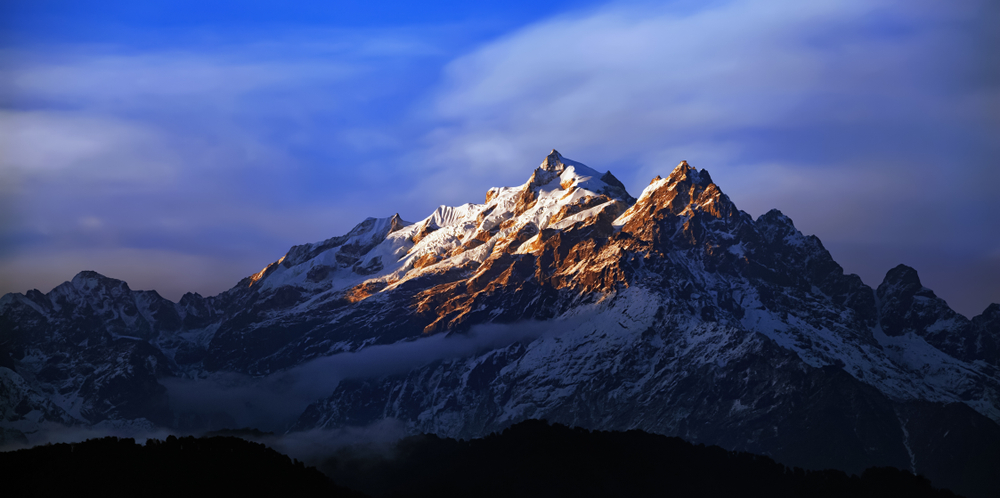
Kangchenjunga is the third highest peak in the world. It is also the highest peak in India, which shares the Himalayan Mountains with Nepal, Pakistan, and China. This peak is much less known than its two bigger siblings. This is likely because it is the third highest peak in the world, but also the third highest peak in the Himalayans. Why bother to make the trip to Kangchenjunga when Everest is not that far away?
The name roughly translates to “Five Treasures of Snow” and is meant to represent the five peaks. The etymology is based on the Tibetan words strung together. The five peaks are each taller than Aconcagua in South America, the highest peak outside of the Himalayans.
Until 1852 it was thought that Kangchenjunga was the tallest mountain in the world. British Trigonometric teams determined that it was not, however, and named Everest the tallest peak. At the time, Everest was known simply as Peak XV. Scientists cannot leave the highest peak in the world with a numerical identifier, however, so it was renamed to Mount Everest.
The first attempt to climb the mountain was in 1905 by cultist leader Aleister Crowley, but his team was forced to turn back due to the danger of avalanches. In one of their climbs, a member of the three-person team was killed in an avalanche.
3China/Pakistan K2 Height 28,250 Feet
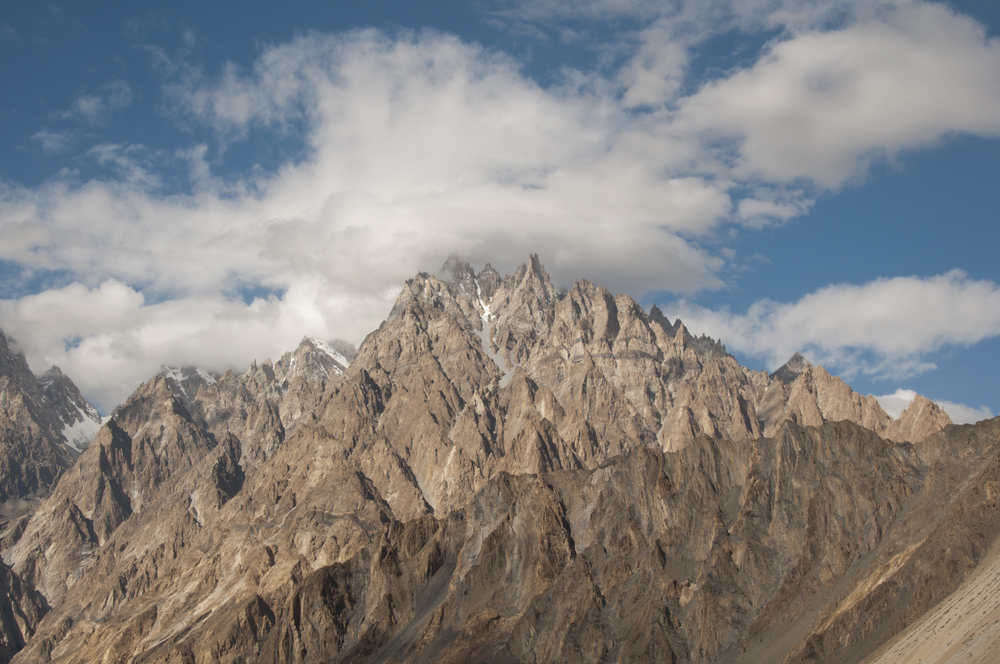
Known simply as K2, this is the second-highest peak in the world. It is located on the border of China and Pakistan and rises to a towering 28,250 feet above sea level. It is also known as Mount Godwin Austen, but this name is rarely used and has almost entirely been replaced by the moniker K2. It also is officially recognized as Chhogori.
You can approach the mountain from either the Pakistani side or the Chinese side. The Pakistani side is generally considered to be the safer option, so most people opt to start on that side, rather than the Chinese side of the mountain. K2 is the highest mountain in the Karakoram Mountain Range.
Climbs are almost always attempted between July and August because of the moderately higher temperatures. Thanks to the northern latitude, however, K2 experiences extreme cold and sudden weather changes. These changes can often be fatal if you are not prepared. A guide is especially important in these circumstances. They can prevent you from attempting to continue when it is too dangerous to do so.
While K2 is not as high above sea level as Everest, the climb is higher. This is because the basecamp for K2 is at a lower elevation relative to the summit than the basecamp for Everest. The climb, in addition to being higher, is also much more dangerous and difficult. So far, only 367 people have successfully climbed to the top of K2, making it one of the most extreme climbing accomplishments in the world.
2Nepal Mount Everest Height 29,028
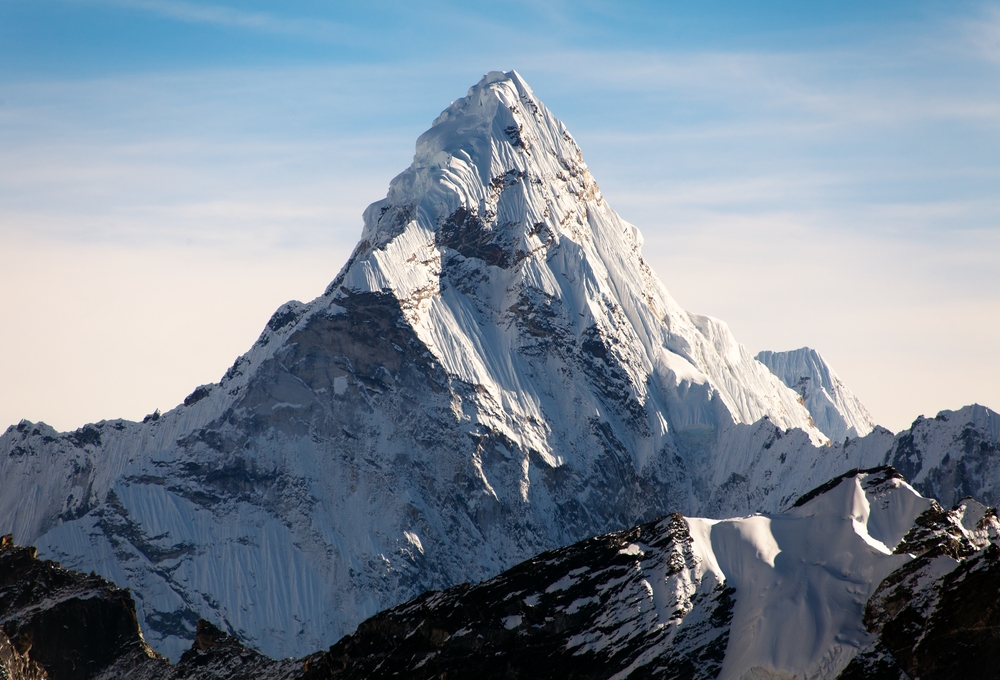
Mount Everest is the single highest point on Earth. Other mountains are taller, but nothing on Earth reaches the same height as Everest. It is for this reason that every year, thousands of people pay tens of thousands of dollars to attempt to scale the 29,028 feet of Mount Everest. This is easily one of the most dangerous climbs in the world, and thousands of bodies of adventurers remain frozen on the mountain and are going to remain for hundreds or even thousands of years.
Thanks to the extreme conditions of Mount Everest, recovering bodies from the mountain is expensive and dangerous. Often recovery is impossible. There have been many cases where hikers have been forced to leave members of their group behind because of an injury or sickness. With the extreme conditions, trying to help someone who is not at 100% can result in death for the entire group.
Mount Everest is actually not in Nepal; it lies on the border of Nepal and the Tibetan Autonomous Zone in China. This is a region of China that is granted semi-autonomy, but they must still live under Chinese authority. There are only about 3 million people living in Tibet, making them one of the smallest ethnic groups living in China today.
If you do decide to attempt to scale Everest, be sure you go prepared and that you are in top physical form before making an attempt. There is no help for you once you start the climb.
1Hawaii Mauna Kea Height 33,476 Feet
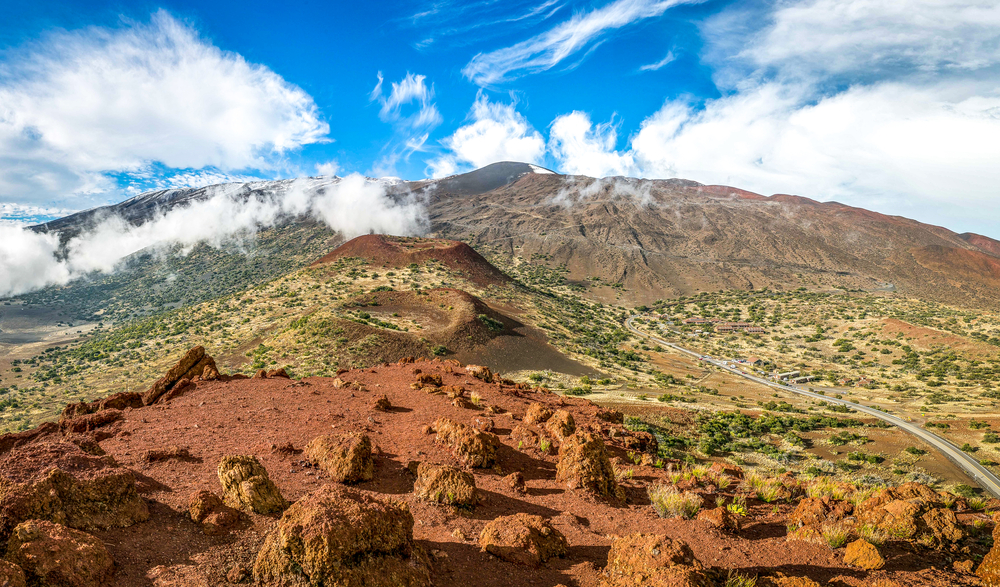
Despite the fact that Mount Everest is much higher above sea level, Mauna Kea, located in Hawaii, is the tallest mountain on Earth. It is not even the highest peak in North America thanks to the fact that a large section of it is located under the ocean. This massive volcano rises up from the ocean floor to form one of the islands of Hawaii.
Access to the summit is easy, and you can even drive the entire way. Towards the top, oxygen levels do drop to about 40% of what they are at sea level, so be sure that your heart and respiratory system are in good shape before making the journey. The last station is at 9,200 feet, with the summit being 14,000 feet. Thanks to the fact that you can drive to the summit in about two hours, it is important to take the trip slowly and allow your body time to adjust. This is to prevent altitude sickness.
Vehicles can easily get stuck and require several thousand in towing expenses to remove. In addition, many rental companies do not allow you to take their vehicles to the summit, so they may also charge you additional fees if they find out that you took their vehicle.
Conclusion
Were you surprised by some of the mountains on this list? It could have been very different, but for the sake of diversity, the Seven Summits were used in place of the bottom six entries. If not for this change, all the mountains mentioned on this list would have been in the Himalayan Mountain Range, and where is the fun in that?
When it comes to the highest peaks above sea level, nothing can beat the Himalayan Mountains. These massive mountains formed as a result of the tectonic impact of the sub-continent of India colliding with the Eurasia continent over the course of millions of years. This same process is responsible for most of the mountain ranges in the world. In most cases, the ranges are much smaller, though some do come close in size. For example, the Andes mountain range is very similar in height, but it lacks the massive plateaus that the Himalayans are known for.
If you are feeling adventurous, you should consider climbing one of the Seven Summits. Not without experience and a guide that is. While there are certainly exceptions, such as Kilimanjaro and Australia’s Mount Kosciuszko, but most of the summits are very dangerous, even for experienced climbers. Weather patterns can change rapidly, and ice can break. Even a slip and broken leg can result in disaster at such heights where medical help could be several hours away. Sadly, many mountaineers have been left behind because there was simply no way to get them to help.