Earth is a name that comes from either old English word ‘ertha’ or German name ‘erde’ both meaning the ground. It was formed nearly 4.54 billion years ago and is the only planet known to support life. While you have learned a lot about the world in school, just how much of what you know is true? There are a lot of misconceptions about the planet stemming from how it was formed to whether it is a really sphere or not. Whatever you choose to believe, one thing that is a fact for everyone is that you live in a unique and wondrous planet.
The Earth is full of fantastic scenes, and there is always something new to learn about it. Just like the fact that it spins at 65,000mph around the sun and that the earth is slowing down. What do you gather would happen if the world came to a complete standstill? Life would ultimately be different, and instead of traveling to different countries for the culture or food, soon enough, you may have to move to just get a glimpse of the sun. The great thing about the planet is that even with these changes happening; it would take thousands of years for humans to really experience it, that is if the human race won’t go extinct. If you are a little curious about what you may not know about your planet, take this journey to discover ten facts about Earth.
10Earth Isn’t a Perfect Sphere
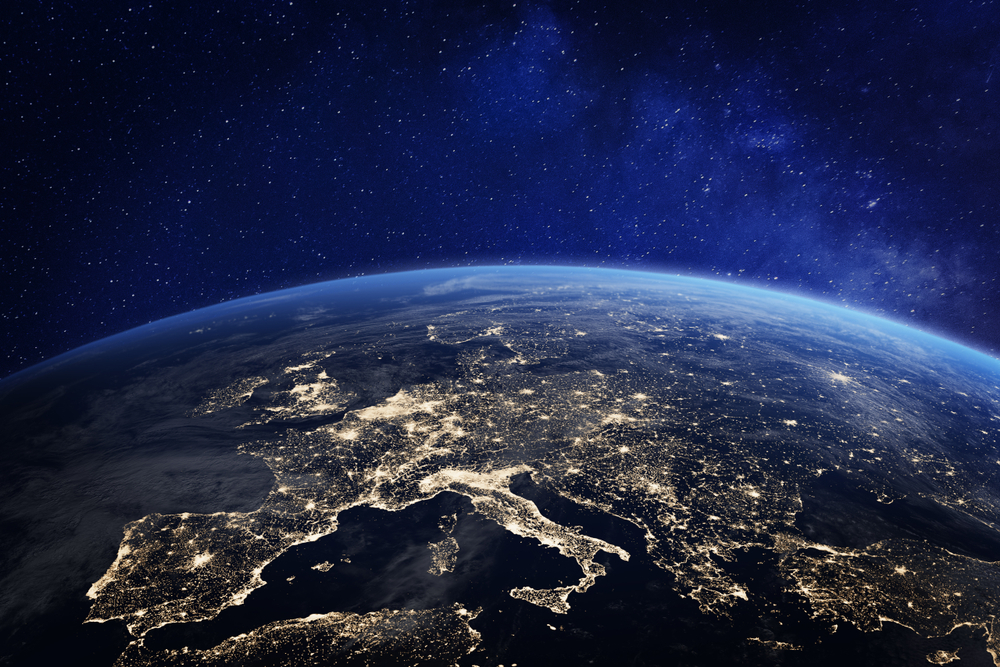
You must have heard of the great debate as to the real shape of the earth. For hundreds of years, it was believed that the planet looks like a globe that is a sphere. However, recent studies into the Earth and through space travel have led to the discovery that this is only half true. According to research, the planet looks more like a flattened sphere, which means that it is only half of a sphere. It should be interesting to find out that if you believed that the earth is flat, that you weren’t as entirely wrong as you may have been led to think.
The shape of the Earth was discovered after research that found out that the earth’s axis is tilted. This tilt is not constant and consistently changes after about 40,000 years or so, which can also cause changes in the different seasons and their intensity altogether. It also found out that the poles were flattened, and the equator is the only one that bulges outward. Therefore it would be like there is a bigger sphere and a smaller one, but of course, you can’t see the equator.
Due to this bulge in the equator, Mount Everest, which is known to be the tallest mountain in the world, might not actually hold that esteem. Instead, you have to consider that Mount Chimborazo, which is the farthest mountain from the core of the Earth, might actually be taller! If you calculate the distance from the inner center of the planet, the highest point is Mount Chimborazo since it is only one degree from the equator. This places it 6,800 feet farther from the core of the earth than Mt. Everest.
9The Earth’s Atmosphere Continues 10,000km into Space
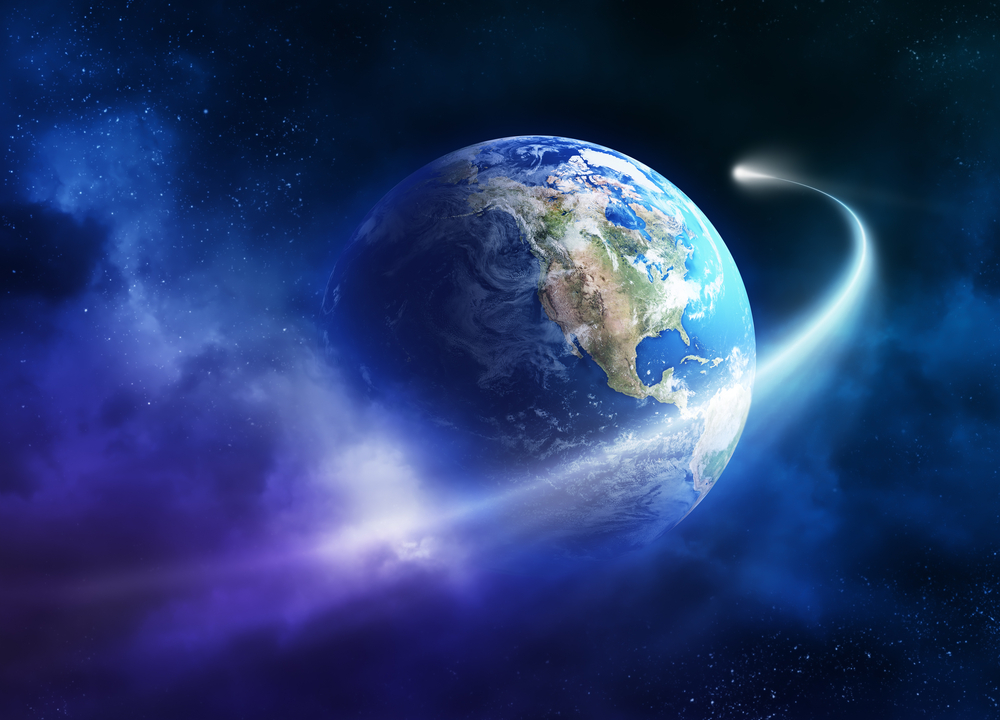
You have probably learned about the layers of the Earth, namely, troposphere, stratosphere, mesosphere, thermosphere, and exosphere. The first layer of the planet, the troposphere, is just about 4 to 19 kilometers from the ground. However, the layers continue out of space to a distance of up to 10,000 kilometers from earth.
The most significant percentage of the atmosphere is contained within the planet and just about 11 kilometers from the ground in the troposphere. It contains approximately 78% nitrogen and 21% oxygen with the rest of it being argon and a little bit of carbon dioxide. This covers about 75% of the total atmosphere of the planet and has the most significant density of gases. The exosphere is the largest layer that covers a distance of between 500km and 10,000km. Because it is farthest from Earth, the exosphere contains very few gases; hence it merges almost entirely with the rest of the space.
Some of the major gases that are in the exosphere include helium and hydrogen. There are other higher density gases such as trace amounts of oxygen, nitrogen, and carbon dioxide. The distance in space prevents the molecules from coming together, so they are very sparse apart. This is why the exosphere is not considered as gaseous, but instead, it mostly has atoms and particles that are far from each other.
8The Earth Is As a Result of Recycling
The planet undergoes a continuous process of recycling, which ensures that it has the soil we walk on and that plants are grown. This doesn’t happen in a set cycle, but it goes on for years such that if it stopped, there would be several issues and people may have to come up with ways to do it.
It all starts deep in the Earth’s crust where the hot magma comes close to the surface where it is cooler. Because of this, the magma is hardened into a rock as erosion takes place due to water and other factors. These rocks are brought closer to the surface where more erosion takes place, leading to it breaking down into smaller particles that form soil. These particles are buried over time, and due to the pressure from above the ground, they are turned into sedimentary rocks.
The sedimentary rocks gradually go deeper into the earth where there is pressure and heat. Sometimes the sedimentary rocks may go deep enough, causing them to melt and form back into magma. However, they may also be eroded back on to the surface to create more soil. This is a process that goes on every day, which makes you realize just how magical the Earth is.
However, rock formations are not the only part where there is recycling, but a lot is going on in the air as well. People breathe in oxygen and give carbon dioxide, which the plants take in and in turn provide us with more oxygen.
7The Earth Is a Giant Magnet
One of the unique things about the Earth is that it creates a strong magnetic field. This goes beyond the surface of the planet, complete with poles, which are close to the actual north and south poles. The magnetic field is essential for allowing life to exist on the Earth since it protects everything on Earth from the sun.
The magnetic field, according to scientists, is brought about by the outer core of the planet due to the heat that forms motions, which lead to electric currents. This creates something called a magnetosphere, which is like a shield that protects the Earth from the solar wind. While the sun is millions of miles away from the Earth, it still releases solar wind, which would lead to severe radiation in the world.
However, due to the magnetosphere, the winds are directed outside the earth into space hence protecting everything on earth. The magnetosphere regularly reverses every half a million years with the most recent one being almost 700,000 years ago. There have been concerns that the planet’s magnetic field is reducing, but it is difficult to say for sure without experiencing a reversal.
The magnetosphere also has something to do with why Mars doesn’t support life. Mars’ magnetosphere is much weaker than that of the Earth, hence causing the atmosphere to be thin. The weaker magnetosphere means that the solar winds can scrape off the remaining atmosphere making it more lightweight; therefore, it would be impossible to survive on the planet.
6Apart From the Moon, the World Has Two Other Satellites
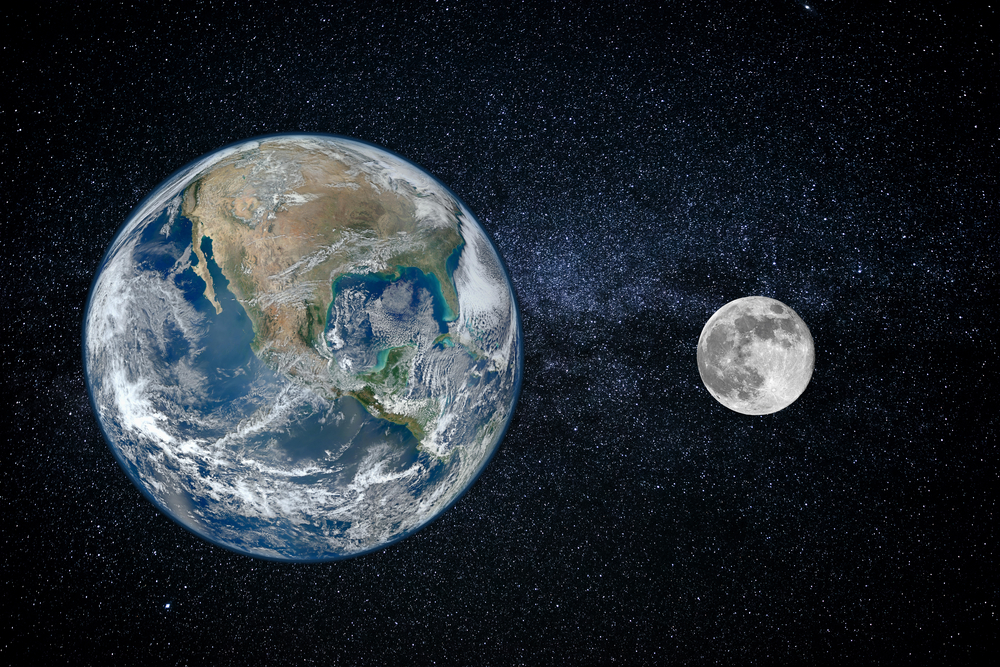
Everyone knows that the moon is the only permanent natural satellite of the earth, and it takes 27 days for it to orbit the world. So much is known about it due to research and the landing on the moon, but what you may not have known is that there are two other minor natural satellites in orbit.
These satellites are known as 3753 Cruithne and 2002 AA29, which are some of the significant asteroids that are referred to as Near-Earth Objects. However, that doesn’t mean that they are actually near the world since they are still millions of miles away. 3753 Cruithne is the biggest one that measures about 5km in diameter and is commonly identified as the planet’s second moon. It is approximately 12 million kilometers from the earth, making it 30 times further from the ground compared to the moon.
3753 Cruithne takes about one year to go around the sun, but it takes almost 770 years to go round the earth, which it does in a bean-shaped movement. 3753 Cruithne is much bigger than 2002 AA29, which is no more than 100 meters. It revolves around the sun in just about a year or 362 days in an almost circular motion just like Earth. It is approximately 10 million kilometers from earth, but it is still within the orbit, which extends to 149 million kilometers into space; this distance is what is known as one astronomical unit (AU.)
5The Planet’s Gravity Isn’t Constant Everywhere
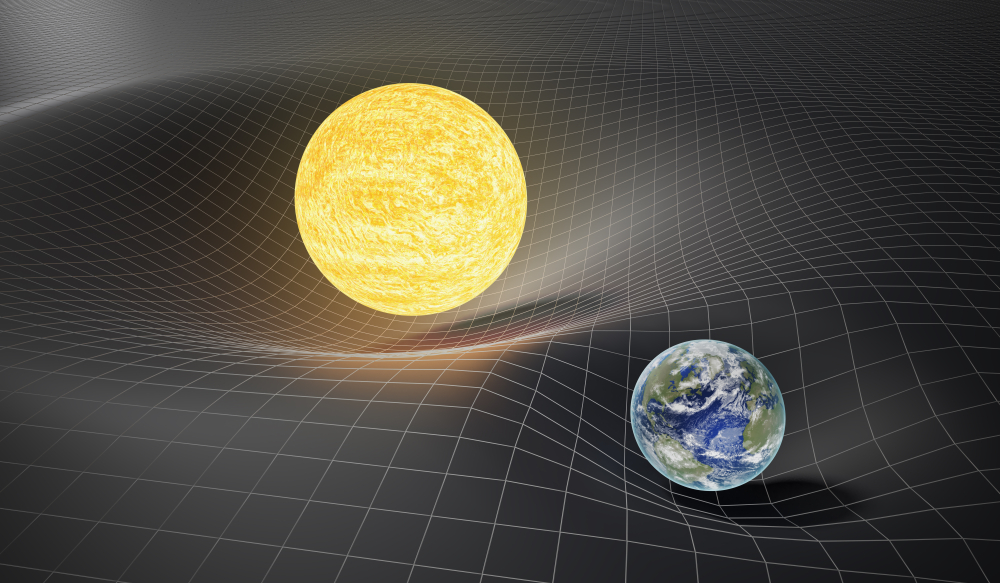
It was easier to believe that gravity in the world extends evenly all over when people knew the Earth to be a sphere. However, you now know that it isn’t wholly accurate, which means that gravity is not spread evenly on the planet. This is due to uneven mass, which also affects gravitational pull, making it uneven as well.
Research in different parts of the world has shown that there are areas in the globe where there are some gravitational differences. Research has found out that a point in Sri Lanka in the Indian Ocean has the lowest gravity. However, that is not the only case since there is Hudson Bay in Canada where you can find out that you weigh a few micro pounds less than you usually do.
A study by the Gravity Recovery and Climate Experiment has shown that the reason for the lower gravity is due to a vast glacier that covered the area. The iceberg, which is known as the Laurentide Ice Sheet, that was in that area extending up to about five million square miles pushed down on the Earth, causing it to reduce in mass.
After the ice melted, though not wholly as it still exists, the Earth began to recover, but due to how massive the glacier was, it has never completely gone back to normal even after 21,000 years. The compression that it caused on the rocks may take another couple of thousands of years to get back to normal. The mass around that area is less, which creates a gravitational anomaly.
4Tons of Meteorites Come into Earth Daily
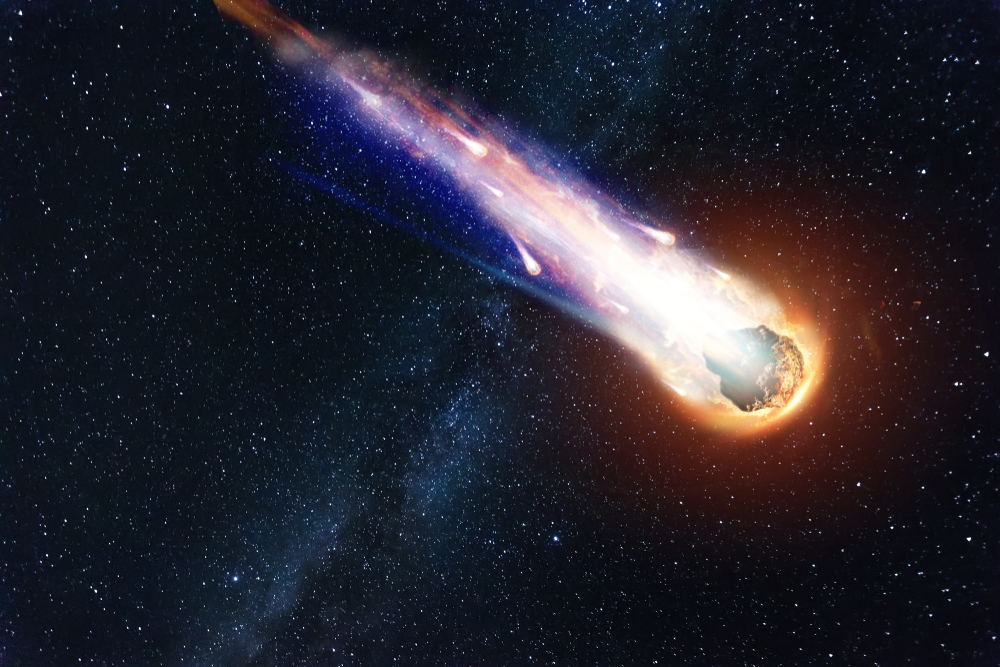
You may be confused as to how this happens, especially since the Earth doesn’t experience a meteor shower very often. This is mostly because the hundreds of meteorites are more of specs of dust and small rocks from space. They access the Earth’s atmosphere hence being pulled into the planet by gravity.
Scientists estimate that about 300 tons of meteorites access the atmosphere which sends a few of them on to the ground. Because of their small size, they make very little difference in the world, which is why you may not have known about it. The largest meteorite to have come into Earth is metallic and fell on to the ground, but didn’t leave a crater. It is estimated to have impacted on earth about 80,000 years ago.
That meteorite is found in a farm called “Hoba West” that located in Namibia. When the meteorite fell on to the ground, it weighed about 66 tons. It was composed with 84% iron with the rest of it being nickel and some traces of cobalt. It measured approximately 2.7×2.7 meters and was about 0.9 meters high.
It is one of the most unusual meteorites to have landed on Earth since unlike many that are usually round or uneven, it almost looks like a rectangle. This explains why it didn’t leave a crater, yet a rock of its size should have. The meteorite has over the years reduced due to natural and human factors, and it is believed to measure approximately 60 tons currently.
3The Himalayas Are Rising
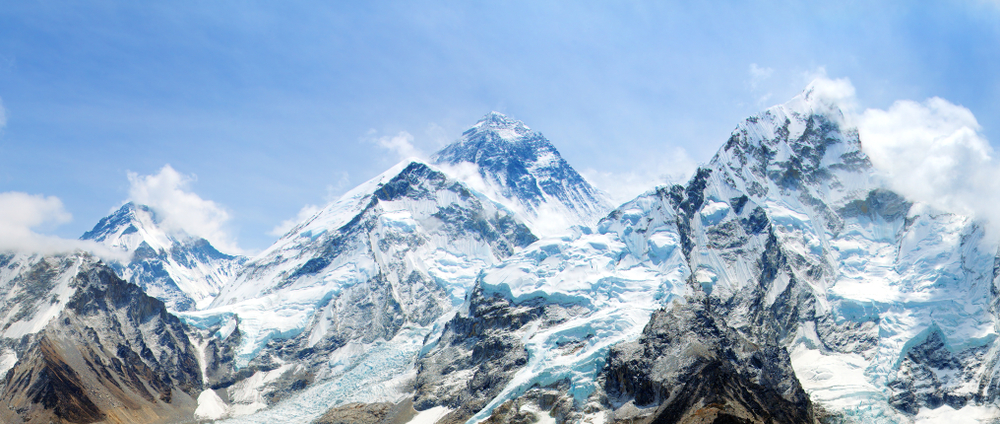
You may know of mountain peaks reducing in size, but the Himalayas are the opposite since they continue to increase every year. The mountains were created as a result of a collision between the Indo-Australian and Eurasian plates caused by the continental drift. The Earth is still continuously changing, which means that in hundreds of years to come many things may not be as you know them today.
One of the things expected to change is the tallest mountain in the world, which could be the Nanga Parbat in some years. The two plates that formed the Himalayas are still colliding, which causes the hills to continue rising approximately six centimeters yearly. This figure is at least double what was previously discovered meaning that the rate might increase in the coming years.
The Nanga Parbat, which is found on the western side, is the ninth highest peak at 8,126 meters above sea level, which is just 722 meters less than Mt. Everest. Therefore you can calculate that in approximately 240,000 years Nanga Parbat may become the tallest mountain in the world. However, with the current increase of continental plate collisions, those years may be fewer, but don’t hold your breath. The chances that you may live to it are against you.
2There Is a Long Underground River below the Amazon
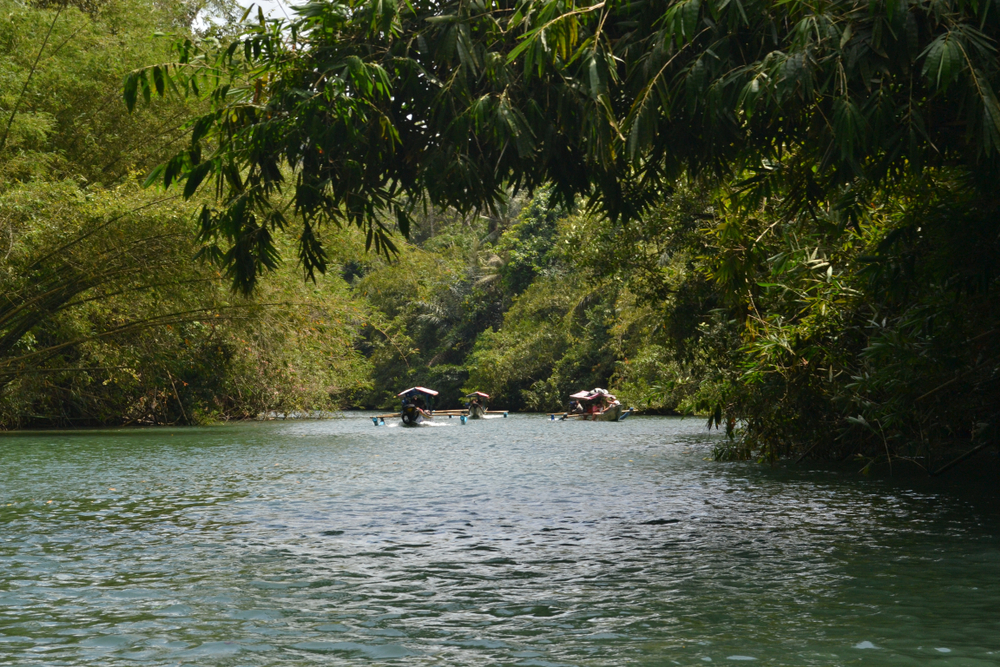
If you thought that the Amazon couldn’t be more spectacular, think again. There is a vast river 13,000 feet below the Amazon that stretches to a length of more than 6,000 kilometers. The name of that river is Rio Hamza or commonly known as Hamza River. It was named after Valiya Mannathal Hamza who has been a chief researcher of the region for decades.
It flows at a rate that is only 3% that of the Amazon, and it runs from west to east. The Amazon flows at a speed of five meters every second by Hamza, which has an average rate of about one millimeter an hour. The Hamza River and the Amazon are the primary providers of drainage in the Amazon. The river follows the path of the Amazon and drains its water in the Atlantic Ocean.
While a majority of the rivers known on the planet are freshwater and only have a low salt content, Hamza River does have a slightly higher salt content. While the Amazon River is still the longest in the planet, the Hamza is much broader stretching approximately 200 to 400 kilometers compared to the Amazon’s 100 kilometers.
1The North and South Poles Flip
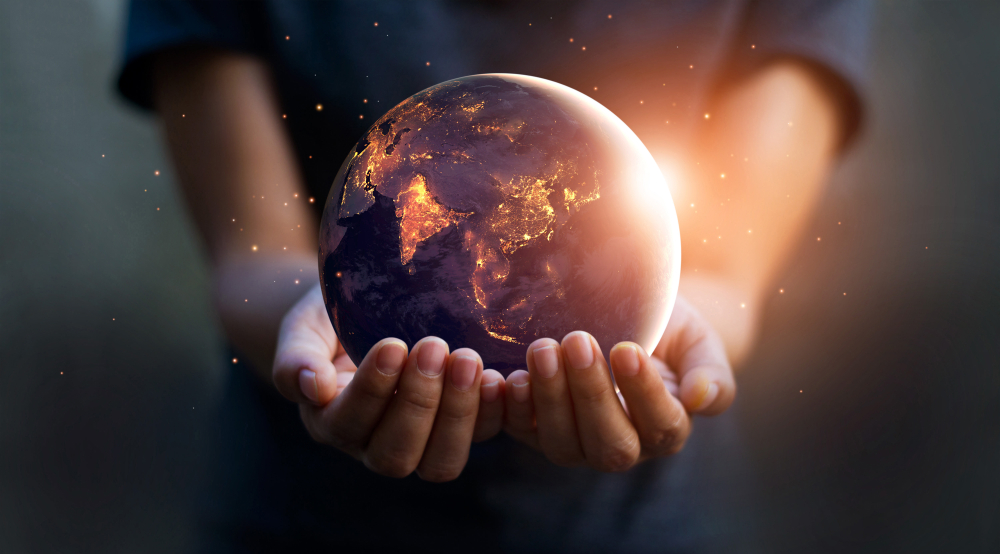
You know about the north and south poles, which are estimated to be located between Alaska and Antarctica respectively. If you have a compass, then north always leads you to the north pole and vice versa but that only applies geographically, but not for Earth’s magnetic poles.
According to scientists, the planet’s poles have flipped and shifted and they continue to do so, but this doesn’t happen every day. Just like the magnetosphere, the poles too constantly reverse every couple of hundred thousand years. Studies have found that approximately 800,000 years ago, the masts had flipped, which means that the north was the south and vice versa. This means that if you existed back then and you checked the Earth’s poles, they would be very different from what you know now.
This flipping happens gradually over the years and is caused by polar drift, which causes the poles to move about 15 kilometers yearly. This is why the actual distance of the south magnetic pole from the geographic south pole is about 2,800 kilometers apart and increasing. It is also important to remember that the magnetic poles are not directly opposite one another as in the case of the north to the south pole.
If you were to draw a straight line from either of the magnetic poles, they would not pass directly across the earth’s center since they are not symmetrical. The interchange between the poles is also known as a geomagnetic reversal, and it is not consistent, so there is no sure way to know when it may happen. While scientists say that it takes an average of 400,000 years, many of the earlier reversals may have taken about 10,000 years.
Conclusion
The Earth as you know it today is not the same one that existed thousands of years back, and that is because it is constantly changing just as human beings evolve. There is so much more to discover about the planet because of all of this, so it is essential to keep up with what is happening. The changes that occur may stem from within, but from what is known other factors away from this planet may lead to even more discoveries in the future.
In recent times there have been many discoveries about the planet that has caused a shift in the way of life as well as people’s thinking. Effects such as the continuous colliding of the continental plates are expected to cause changes in the continents as well as the leading natural features. Already, many of these effects have been experienced in Africa, South America, and Australia, and more are expected in the coming years.
There is always more to learn and discover not only about changes within the planet but concerning life matter as well. The world is known to have more microorganisms than there are stars in the whole galaxy. You can imagine how great this is considering there are approximately 200 billion stars in the Milky Way. Take time to appreciate and discover more about the Earth, and you may be surprised by what you learn, it might even inspire you to be the next great geologist.