
Seems like you’re quite interested in ghostly tales and mysteries, aren’t you? Specially those of the Victorian era! Well, you’re in luck because this is exactly what our next article, ‘Top 10 Creepiest Ghost Stories from the Victorian Era’, is all about. Prepared to have your spine tingle and hands tremble as you swipe through this spooky list!
Curious yet? Brace yourself, as we will be diving deep into the eerie world of the unexplained and the supernatural. This article promises to whisk you away on a thrilling journey through the times when tales of apparitions and spectral figures were part of the daily banter. Beware though, once you start unraveling these mysteries, there’s no turning back!
Top 10 Creepiest Ghost Stories From The Victorian Era
The supernatural, the unknown, and the uncanny have always held a certain allure. From the chilling whistle in the dark to the eerie shadow in the corner of your eye, ghost stories have captivated audiences for centuries. In this article, we delve into the top 10 most spine-tingling ghost stories from the Victorian era, tales that have been passed down through generations, chilling the bones of many.
The Apparition of the Screaming Specter
The phenomenon behind the Screaming Specter
Your blood might freeze imagining an ethereal figure wailing into the night. The Screaming Specter, as the name suggests, is a spectral entity reputed for its blood-curdling screams. This ghostly apparition is often linked to cruelties endured in life, the scream a manifestation of their torment.
Witness accounts of the apparition
Victorian accounts suggest sightings of a hooded figure emitting piercing screams, usually around misty moors or dilapidated architecture, adding that ominous touch to the surroundings. Fear and shock often encapsulated witnesses, reinforcing their beliefs in the afterlife.
Influence of Screaming Specter on Victorian Literature
Victorian literature has often imbibed these chilling tales, the Screaming Specter serving as a horrifying metaphor for pain and suffering suppressed, fueling the narrative of several gothic novels.
The Chilling Tale of the Phantom Coach
First-hand Experiences of the Phantom Coach
The Phantom Coach is a popular apparition from the Victorian era, characterized as an ornate, ghostly carriage often driven by spectral horses and a phantom driver. The stories recount individuals encountering the coach during the late-night hours, some who claimed to be offered a ride by an unseen coachman.
Role of the Phantom Coach in Victorian Folklore
The phantom coach pervaded Victorian folklore, often symbolizing death or a spectral arrival. It was believed to be an ominous sign, preluding disaster or death.
Depiction of the Phantom Coach in Popular Culture
From the quills of Dickens to modern cinema, the Phantom Coach endures, amplifying suspense and terror. It remains an emblem of the spectral transportation of souls, adding a touch of the grotesque to any tale.
Mysterious Case of the Haunted Doll’s House
Origins of the Haunted Doll’s House story
Spectral figures and ghostly coaches are one thing, but a haunted doll’s house? It seems terror really does come in all shapes and sizes! The story originated from an old Victorian dollhouse mysteriously exhibiting activities of its own accord.
Victorian Society’s Obsession with Doll Houses
Victorian society harboured an obsession with intricate doll houses, viewing them as object d’art. However, supernatural instances gave a horrific twist to these innocent toys.
Paranormal Activities associated with the doll’s house
Accounts of the house include dolls moving autonomously and tiny lights glowing at night, enough to send shivers down anyone’s spine. Victorian era accounts describe instances of spectral children observed playing with the dollhouse.
The Ghost of the Bleeding Nun
Encounters with the Bleeding Nun
The nun, often a figure of peace and sanctity, is transformed into an object of sheer terror in this tale. The ghost of a bleeding nun, said to wander the halls of ancient monasteries, was a terrifying specter to encounter. Her relentless phantom was often seen with hands and face smeared in blood.
Reaction of Victorian Society towards the phenomena
The bleeding nun struck fear into the people of Victorian society, challenging their faith and notions of the spiritual world. It invoked anxious conversations around morality, faith, and the repercussions of sacrilege.
Literary References to the Bleeding Nun
Embedded into gothic narratives like those penned by Matthew Lewis, the bleeding nun symbolizes the contrast between sanctity and horror, shaking readers to their core.
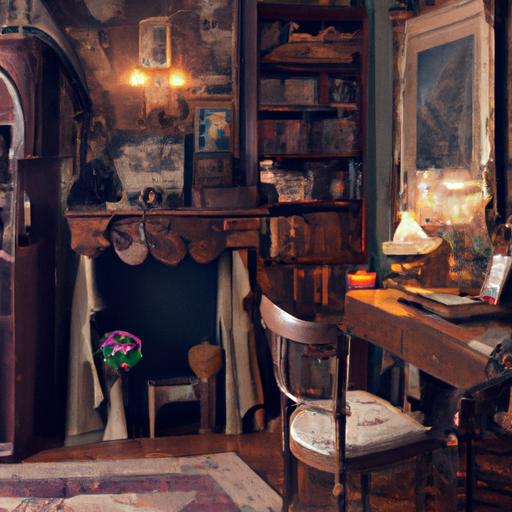
Eerie Encounters with the Brown Lady of Raynham Hall
History of Raynham Hall
Raynham Hall located in Norfolk, England, is famous not only for its magnificent architecture but also for its resident ghost, the infamous Brown Lady, named for the brown brocade dress she is often seen in.
Sightings of the Brown Lady
Witnesses recount seeing the Brown Lady gliding along hallways, her face often obscured by a similar brown hood or veil. Some even report her eyes as empty sockets, making her a truly terrifying apparition.
Brown Lady of Raynham Hall in Modern Interpretations
The Brown Lady remains one of the most famous ghost stories. Her legend persists, featuring in numerous ghost hunting series and articles, instilling wonder and fear regarding her existence.
Dark Legend of the Headless Horseman
Headless Horseman in Victorian Ghost lore
Riding through the darkness of the night, the headless horseman’s tale sends chills down the spine. The horseman, often seen carrying his own decapitated head, symbolizes a gruesome death and impending doom.
Witness accounts and their aftermath
Witnesses often describe galloping sounds and an eerie, cold wind before the specter appears. Naturally, this phantom is feared, as encountering him portends one’s own imminent death.
Symbolism of the Headless Horseman in Literature
The headless horseman has been popularized in literature, most famously in Washington Irving’s “The Legend of Sleepy Hollow,” amalgamating horror and tragedy masterfully.
The Green Lady of Stirling Castle
Tales of the Green Lady’s appearances
Stirling Castle, once a significant Scottish stronghold, is now also known for its ghostly resident – the Green Lady. Seen wandering the castle’s halls, she’s often described as a melancholic figure, surrounded by an eerie soft green glow.
Legend’s impact on Stirling Castle’s reputation
The Green Lady’s apparitions have cast a chilling hue over Stirling Castle’s legacy, shifting its reputation from a historical site to a haunting one.
Victorian interpretations of the Green Lady
In the Victorian era, the Green Lady was often analyzed as a symbol of isolation and longing, her eternal wanderings a testament to these sentiments.
The Ghastly tale of the Cursed Coffin
The story behind the Cursed Coffin
The cursed coffin, or the “coffin that never stays shut,” is a chilling tale about an unquiet soul that refuses to rest. It is said that the coffin constantly reflects an ill-omened fissure, regardless of how many times it has been repaired.
Victorian Superstitions about Death and Coffins
Victorians held particular superstitions about death and coffins, believing that any disruption to the rest of the deceased could result in haunting visits from the bereaved soul.
Case Studies featuring the Cursed Coffin
Stories of the cursed coffin instilled fear in the hearts of many, often influencing tales of spectral hauntings resulting from the restless forces associated with the cracked coffin.
Unsettling Sightings of the Woman in Black
Descriptive accounts of the Woman in Black appearances
Clad in black, the eerie Woman in Black is often portrayed as mourning, wailing, and wandering. Sightings often describe her as a sorrowful figure speculated to be mourning a significant loss.
Victorian Fear of Mourning and Bereavement
In the Victorian era, lengthy and public mourning periods were common. The Woman in Black likely symbolized these customs, her eternal grieving reflecting the societal fear of death and the lonely aftermath of loss.
Roles of the Woman in Black in Gothic literature
Susan Hill’s seminal work “The Woman in Black” echoes this tale, incorporating it into the larger narrative of confronting our fears and the toll loss takes on the human soul.
The Disturbing Legend of the Cry of the Banshee
Origins of Banshee Belief in Victorian era
Originating from Celtic folklore, Victorian era popularized the legend of the Banshees — female spirits whose cries foretell death. This belief stemmed from the fear of the unknown, resulting from the high mortality rates of the period.
Documentation of the Cry of the Banshee
Reports ascribe the Banshee’s wail as a chilling, soul-piercing cry that could shatter glass, leaving a lasting indentation on the listener’s mind.
The Banshees in Preternatural Narratives
Banshees have stood at the heart of many narratives throughout Victorian literature, their unsettling presence and unnatural cries invoking horror and suspense.
Conclusion
Impact of these Ghost Stories on Victorian Society
These ghost stories hold a central place in Victorian society, influencing their perspectives towards life, death, morality, and the supernatural. Often, these tales served as metaphysical mappings of societal fears, superstitions, and fascinations.
Influence of Victorian Era Ghost Tales on Modern Horror Genre
These chilling tales continue to instigate the edges of modern horror literature, their themes resonating with that ghastly allure that so excites our imaginations today.
The Enduring Power of Ghost Stories
Ghost stories endure through the power of their narratives and the psychological thrill they provide. They allow us to confront our fears within a fantastical context, providing both chills and charms to their avid listeners.
So have your candle ready, and when the shadow at the corner of the room shifts ever so slightly, don’t forget to share these spine-tingling tales. And, remember, there might be more lingering in the dark than just the echo of a bygone era. Sometimes, it’s the memory of a hauntingly good story from the Victorians that still manages to make your heart skip a beat, reminding us all of the enduring allure of a good ghost story.