

Veterans Day is a time of celebration all around the country. It is a day that is set aside to honor those who chose to risk their lives in the Armed Forced. This day is often celebrated with grilling and one last outdoor celebration before winter hits. It is celebrated on November 11th, with some exceptions. If the 11th falls on a Sunday, the coming Monday is observed. If it is on Saturday, the Friday prior is observed. Veterans Day is always observed on a weekday to allow government and several private-sector employees the day off.
The history of Veterans Day is long and goes all the way back to the end of World War 1. It was originally not known as Veterans Day but went by another name at the time. It was also not celebrated on the official end of the war, but rather on November 11th, the unofficial end of the fighting.
It is also important to mention that Memorial Day and Veterans Day are not the same and do not serve the same purpose as each other. They are similar, explaining the confusion, but they are meant to honor different groups. It is also worth mentioning before getting into the article that it is grammatically Veterans Day, not Veteran’s Day or Veterans’ Day. This is because it is meant to honor all Veterans, not be possessed by the veterans.
It Was Originally Called Armistice Day

Before Veterans Day was called Veterans Day, it went by the name Armistice Day. This was meant to celebrate the final armistice agreement of WWI, which went into effect on the 11th hour of the 11th day of the 11th month. This marked the official end to the brutal fighting of WWI.
To understand the sheer horror of WWI and what the ending of the war meant to the country, you must consider how warfare has changed since Napoleon. During the reign of Napoleon, warfare was fought primarily using single-shot muskets and Gatling guns, but not hand-held machine guns or semi-automatic rifles such as what was used in WWI. WWI also introduced tanks and aerial warfare as well as modernized naval warfare. The important take away is that warfare went from tidy formations with inaccurate weapons to random formations with highly accurate weapons with much more killing power behind them.
The warfare in WWI was so brutal that many soldiers did not try to kill the enemy. This was true on both sides. Neither side wanted to be at war, and neither side had anything to gain from fighting in WWI. It was simply the unfortunate result of too many Alliances in Europe. Thanks to this, many soldiers simply sprayed bullets onto the battlefield, rather than aiming. This doubtless saved countless soldiers but also resulted in more gruesome survival tales and wounds. For the soldiers and families that had lost entire generations, Armistice Day was truly a cause to celebrate.
It Was Renamed After the Korean War

Armistice Day remained in effect until 1954 when President Eisenhower officially changed it from Armistice Day to Veterans Day. There were a few reasons for this, but the two biggest were WWII and the Korean War. Both wars saw massive troop mobilizations and high casualties.
To honor those who had served and died in WWII and Korea, rather than create a new Holiday, Congress, along with President Eisenhower, renamed Armistice Day to Veterans Day on June 1st, 1954. This change made Armistice Day a celebration of everyone who has served or is serving in the US Armed Forces. By the wording of the change, it is meant to honor those who served during peace times as well as war times.
The holiday has remained in its present form since the law was passed in 1954. Thanks to the wording of the law, it does not need to be updated when the US enters another war, rather it always honors those who chose to serve in the military.
The Difference Between Veterans Day and Memorial Day
People often confuse Veterans Day and Memorial Day. Maybe it is because they are both meant to be patriotic holidays that honor the military, or maybe it is because they are both celebrated by grilling. Either way, people often confuse the two holidays, but they have completely separate origins and reasoning behind them.
First, Veterans Day was originally created as Armistice Day after the end of WWI. It was later renamed to Veterans Day after WWII and the Korean War.
Memorial Day was originally known as Decoration Day and was meant to honor those who died during the Civil War. This was changed during WWI, which replaced the Civil Was as the most brutal war in American history at the time. It was still known as Decoration Day but was now meant to honor all of those who died fighting for the US in war.
Decoration Day was always celebrated on May 30th. This was the original date used, and it was simply never changed, then in 1968, it was. In 1968 Congress passed the Uniform Monday Holiday Act. This renamed Decoration Day to Memorial Day made it a federal holiday and moved it to the last Monday in May. This was meant to give federal employees a three-day weekend after the law was passed. As a result, many other private-sector employees also enjoy the benefit of having the day off.
So, it is really easy to remember. Veterans Day is to honor living veterans who served in the military, whether during peace times or war times. Memorial Day is meant to honor those who died in combat. It is meant to be a day of observation, not a day of celebration.
Congress Tried to Move Veterans Day
Veterans Day has always been held on November 11th since it was created as Armistice Day at the end of WWI, except for the seven years when it wasn’t. In 1968 Congress passed the Uniform Monday Holiday Act to uniformly place all federal holidays on a Monday to give federal employees a three-day weekend, rather than a split workweek. This change officially went into effect in 1971.
Starting in 1971, Veterans Day was officially on the fourth Monday of October. This remained for four years before President Ford changed it back to November 11th with a law that was passed in 1975. While the law passed in 1975, it did not go into effect until 1978. This means that for seven years in the US, between 1971 and 1978, Veterans Day was celebrated in October, not November.
Despite this change, the new law only affected Veterans Day. Other federal holidays that were moved to Monday by the Uniform Monday Holiday Act remain on Monday, and future federal holidays have been on Monday as well. For most holidays, this works fine, but Veterans Day holds a special significance since the date is the unofficial end of WWI. This is certainly reason enough to celebrate and is worth keeping it inconsistent with the rest of the federal holidays.
2019 Marks 101 Years Since Armistice Day

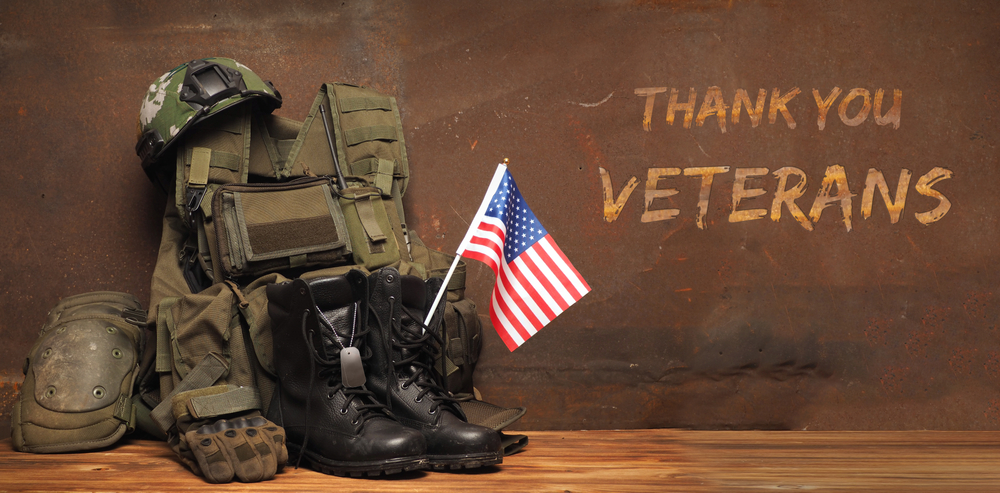
Armistice Day was November 11th, 1918, and it officially ended the violence of WWI. While the final treaty negotiations were taking place, the Armistice agreement ensured that no more hostilities occurred until the final peace agreement was brokered.
2018 marked the official 100-year anniversary of Armistice Day. Almost every American alive today was born after the creation of Armistice Day and have never known a world without the holiday in some form. For most people, it has always been Veterans Day.
One tradition from Armistice Day that survives today in some areas is taking a moment of silence at 11 AM on November 11th to remember the official start of the Armistice that ended WWI. This tradition has largely been lost in America and is primarily still practiced by surviving veterans and some Europeans.
The tradition has evolved over the years and has even changed from being entirely about WWI veterans to honor all veterans in the country. Veterans day is meant to be a nationwide celebration of our veterans, not a day of mourning.
It is easy to forget that WWI ended over 100 years ago. It seems like a fairly recent, even for most people. Having occurred in the 20th century. There are very few surviving WWI veterans left, and only a few more WWII veterans after them. It is important to honor those who fought to defend this country while you still can.
Armistice Day Was Not Officially a Holiday Until 1938
Armistice Day has been celebrated every year since 1918 and the end of WWI. It is an American tradition that predates most Americans, but it was not always celebrated as a holiday. Originally, the day was simply an unofficial day of celebration to celebrate the end of WWI. For the soldiers that spend years living in trenches, this was as good of a reason as any to celebrate.
It wasn’t until 1926 that Congress officially recognized November 11th as a national day of observance. This did not make it an official holiday but did give additional significance to the date and gave credence to those who chose to celebrate it.
12 years later, in 1938, Congress officially made Armistice Day a national holiday. This ensured that all federal employees got the day off as well as many private-sector employees. This date remained in effect until Congress passed the Uniform Monday Holiday Act, which changed it to the fourth Monday of each October. This law went into effect in 1971 and remained in effect for Veterans Day until 1978 after it was replaced in 1975.
There are Nearly 500,000 Remaining US WWII Veterans

WWI ended over 100 years ago. Given that the age to enroll in the Armed Forced is 18, and always has been, this means that most WWI veterans have died since the end of the war. The age of enlistment was certainly overlooked during war times in the past. This was a known occurrence in the Civil War, WWI, and WWII, with some boys as young as 14 signing up for service. Despite this, most WWI veterans are dead.
WWII occurred nearly 20 years after WWI. While there were certainly some overlapping soldiers, mostly officers by WWII, most of the soldiers of WWII were born shortly before or after WWI, making them the first post-war generation. Today the survivors of this generation are known as the ‘Greatest Generation,’ and while that title can certainly be disputed, it was not given without merit.
Currently, there are nearly 500,000 WWII veterans living in the US. This is all that remains of the nearly 16 million soldiers that fought in WWII. During the war, the entire country mobilized for battle, even back on the homefront. At home, entire industries changed overnight to supply the military with the supplies that they needed. Rubber and steel were rationed, and people even had collections to gather and donate materials for the war effort.
Despite how they and the next generation handled the country after WWII, there is no denying that the Greatest Generation came together in a way that this country has not seen since. The 9/11 attacks saw a similar initial reaction, but it died down much faster and had a much smaller impact on the country.
It is Owed to Raymond Weeks

It is certainly OK if you are not familiar with Raymond Weeks. He is a little-known man from the WWII era who convinced Eisenhower to change Armistice Day to Veterans Day. Weeks is regarded as the “Father of Veterans Day” for his role in the transition of the holiday.
Armistice Day was officially created to celebrate the end of WWI and to honor the soldiers that had fought in the war. While there is absolutely nothing wrong with this, it does nothing to honor veterans of other wars.
Raymond Weeks’ journey to change Armistice Day would eventually lead to him meeting with one General Dwight D. Eisenhower, US Army Chief of Staff. Weeks explained to then-General Eisenhower that he believed that the day should be used to honor all veterans, not just those who served in one particular war. The would-be President seemed to agree since he officially changed the holiday after taking office.
Raymond Weeks received little credit or praise for his accomplishments for several years, but in 1982 President Reagan ensured that he received the recognition he deserved. Reagan awarded Raymond Weeks with the Presidential Citizens Medal for his work to honor veterans.
Great Britain and Canada Both Have Similar Holidays
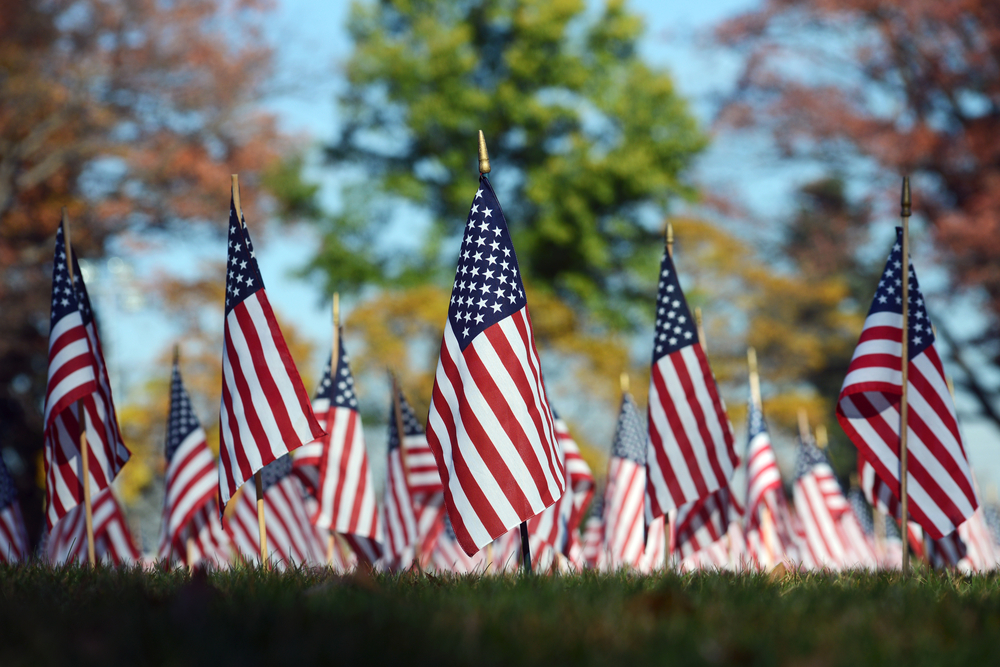
Both Great Britain and Canada have holidays like Veterans Day. Both countries played an important role in WWI, arguably a greater role than the US. Accordingly, both countries also lost an entire generation of their young men. The British still remember this as the “Lost Generation,” compared to the US Silent Generation.
Since both countries participated heavily in WWI and WWII, it should come as no surprise that they both have days celebrating their own veterans on similar days. In Canada, the holiday is officially known as Remembrance Day, while Great Britain refers to it as Remembrance Sunday.
In Canada, Remembrance Day is held on November 11th. This is the same day as Veterans Day in the US and marks the unofficial end of WWI with the beginning of the Armistice agreement. The agreement went into effect on November 11th of 1918, at 11 AM.
Veterans Day in the US is meant to honor all veterans, but Remembrance Day and Remembrance Sunday are specifically meant to honor WWI and WWI veterans. This is likely because WWII was the last major conflict Canada or Great Britain was significantly involved in, being less war-hungry that the US.
The US is Home to Nearly 21 Million Veterans
The US military is a common career choice for people graduating high school. This is especially true of low-income areas where job prospects and the chances for higher education are slim. Enrolling in the military offers these low-income people the chance to attend college and get the training, experience, and education that they need to be successful in the civilian world as well as the military.
This enticement has led to the US having nearly 21 million veterans living in the country today. That is around 6.5% of the total population. While many of those undoubtedly sign up to serve their country and serve in the military, most likely signed up in order to receive the benefits that are given to veterans. This explains why the majority of enlisted personnel come from low-income areas, while officers typically come from middle- or upper-class families who can afford private school tuition.
The current system has been designed to ensure a constant supply of soldiers by denying the general population access to services that the rest of the developed world already has access to. The US is the only developed country in the world where you must literally sign your life away to get government-funded healthcare and education. Then, even after serving their term, many veterans suffer from the lack of funding for veterans’ programs. There is always money to send soldiers to die, but never enough money to take care of them once they come back.
Conclusion
There you have it, the rich history of Veterans Day. There are a few takeaways from this article that you should keep in mind this November. First, Veterans Day is spelled Veterans Day, not Veteran’s Day or Veterans’ Day. There is no possession associated with the day.
You should also remember that Veterans Day and Memorial Day are not the same. While they are similar, they serve different purposes and have different origins. Memorial Day was originally meant to honor those lost in the Civil War, on both sides. It was later changed to honor all fallen soldiers, no matter the conflict. Memorial Day is meant to be a day of Remembrance and mourning. Veterans day, however, was created to celebrate the end of WWI and to honor the veterans who fought in the war.
Over time, Veterans Day was changed to honor all veterans. This makes Veterans Day a day of celebration. For some, it is certainly a day of mourning, but the general idea of the holiday is one of respect and honor, not mourning.
This holiday has developed into a well-founded tradition in America and has been going strong for just over 100 years now. With so few things to change, it is unlikely that the celebrations surrounding Veterans Day are going to change anytime soon. One unfortunate side-effect of the popularity of the holiday is the commercialization. This is an unfortunate side-effect of any holiday in America. Once corporations find a way to cash in on the holiday, it becomes commercialized. This has long been the case with everyone from restaurants to car dealerships offering discounts to veterans.

