
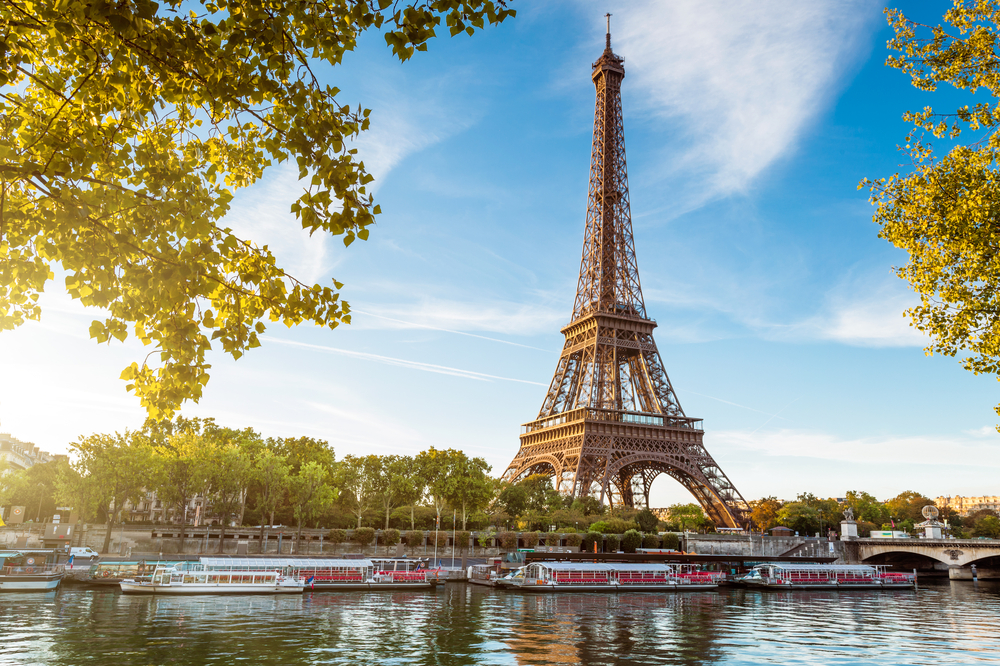
Paris is a beautiful city and one of the most commonly chosen romantic destinations in the world. There are few other European cities that rival an ancient city that’s cultural and historical relevance. There are so many things to do in Paris that there is no way that you can accomplish them all in one trip, even a prolonged trip. This is why prioritizing is important; you want to use your time to the best effect possible.
Sadly, one of the biggest attractions in Paris is no longer open to the public. The Cathedral of Notre Dame was one of the most visited sites in Paris and held substantial historical and cultural significance. Unfortunately, it caught fire during renovations in 2019 and is closed until further notice. It could take several years to repair the damage that was done to this marvelous building.
Thankfully, even with Notre Dame unavailable, there are still plenty of other sites to see in Paris. This list is far from all-inclusive and should not be the only thing that you see and do while on your trip. You may even find yourself skipping some sites for others to fit everything into your schedule. The city has been growing for several hundred years and shows no signs of slowing down, so sites and entertainment should be expected to grow as well.
There is something for everyone in Paris. From the Eifel Tower for the romantics to cathedrals for the religious and the catacombs for the macabre.
Pont Neuf

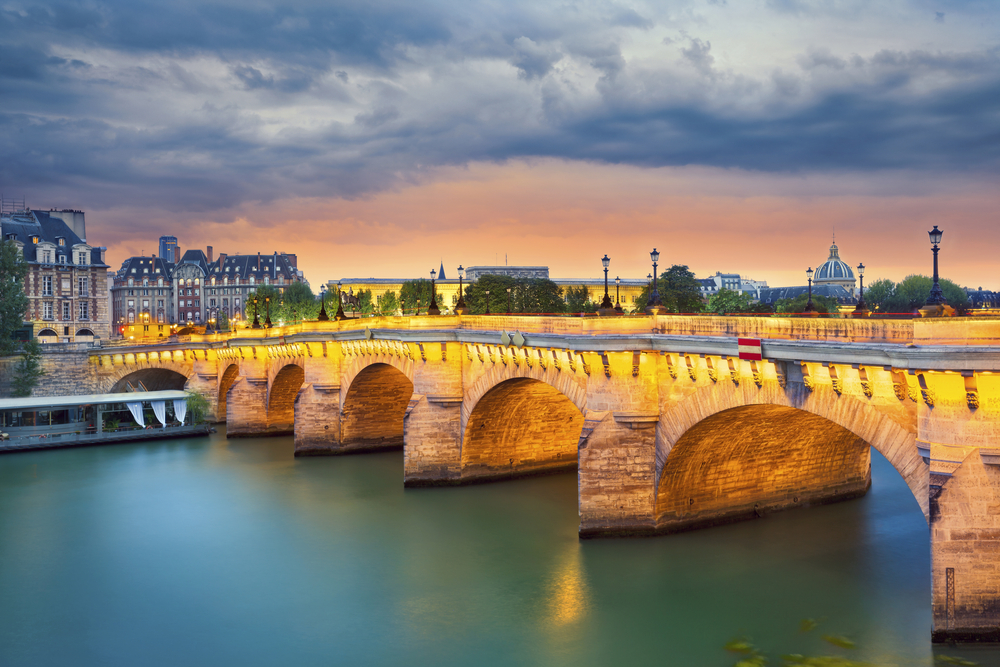
Pont Neuf is the oldest remaining stone bridge in Paris. The name ironically means ‘New Bridge.’ It was first constructed in 1578 at the order of King Henry IV and contains a total of 12 arches and 384 mascarons. Mascarons are the grotesques that are carved into the bridge.
The bridge construction was completed in 1607 after going through several stages of construction. The construction was interrupted at one point due to a rebellion against the king. The new king continued construction on the bridge after the rebellion was over.
Pont Neuf, at the time of its construction, was the only bridge to cross the entire width of the River Seine. It was also the first bridge in the city to use the pavement. This allowed for pedestrians to be better protected from the elements and mud.
The arches are large enough for smaller boats to pass under, but large boats and sailboats cannot pass under the bridge.
Until the time of Napoleon III, there were shops lining the length of the bridge. The bridge because a cultural center for the city, and many residents spent their days at the bridge. When Napoleon III renovated the bridge, he removed these shops, and they have not been allowed to return since. Today it remains a gorgeous piece of architecture and the city’s rich history.
The Louvre

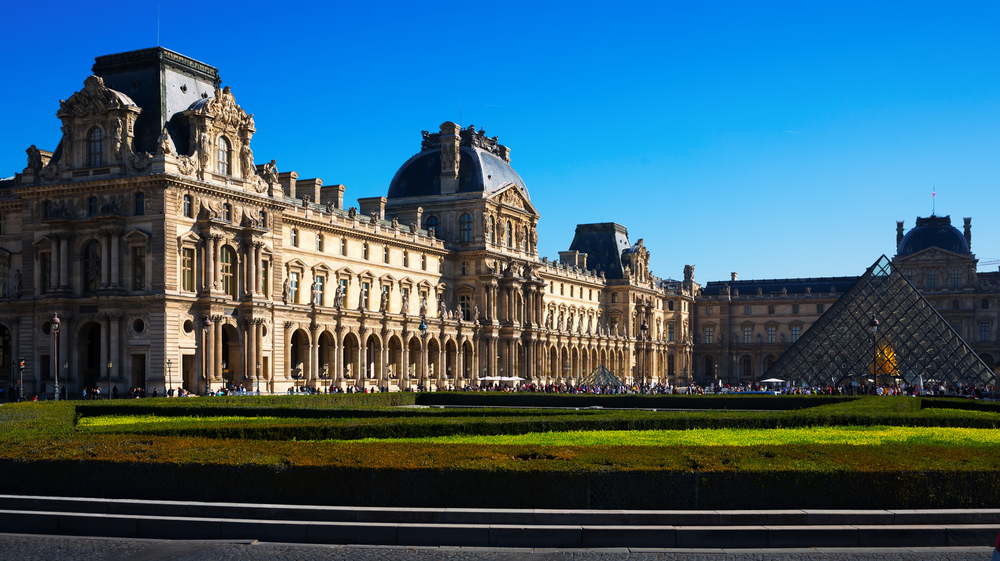
The Louvre began life as a fortress during the Middle Ages, around 800 years after the fall of Rome. After Rome fell, the French became one of the dominant powers in Europe for hundreds of years. During this time, the Louvre was begun in 1190, and construction was completed in 1202. It was built at the behest of King Phillip II Augustus.
Over the next 500 years, the Louvre transformed from barren fortress to a magnificent palace for the Kings of France. After the French Rebellion, the Louvre was transformed into an art gallery. It was used as a place for artists to go to study great works of art from all over the world and to practice their own art. Many great artists have studied at the Louvre over the last few hundred years.
Today the Louvre still serves as an art gallery and is the largest gallery in the world. It contains works from every region on Earth with many historic and cultural works. It also contains renaissance art up to modern art.
Most people who visit the Louvre are there to see only a few works of art, so in most cases, you can be in and out in a few hours. The main works that everyone should see include the Mona Lisa, the 2,200-year-old Winged Victory of Samothrace, Liberty Leading the people, and the Portrait of Francois I. If you can spend more time at the gallery, however, it is well worth the time spent.
Palace of Versailles

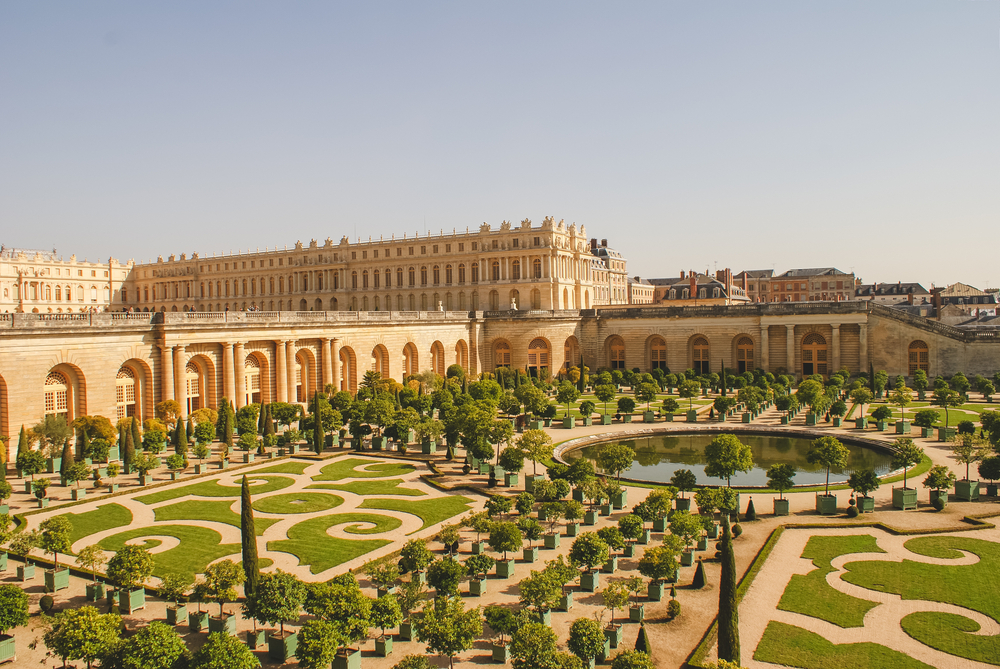
The Palace of Versailles is truly a breathtaking sight to behold. This massive complex seems almost endless and remains as beautiful as the day it was built. This complex was used as a royal residence outside of the city and was used by royalty to escape in times of civil unrest and disease. By retreating to the very outskirts of the city, the royals were able to avoid the worst conflicts while still maintaining a firm grip on the city of Paris itself. Throughout its history, the Palace of Versailles has been seen by the French people as a sign of opulence and excess. This is due to its immense size and impressive architecture.
When the palace was built, the town of Versailles was very small, barely a hamlet. Over time, however, as the seat of power shifted to the Palace of Versailles, the city grew. At the time of the French Revolution, it is estimated that the city was home to as many as 60,000 people. This would have made it one of the largest urban centers in France at the time.
Today you can visit the palace during the day and take guided or self-guided tours. There are numerous attractions in the palace, and it is worth taking the time to see as many as possible.
Hôtel des Invalides
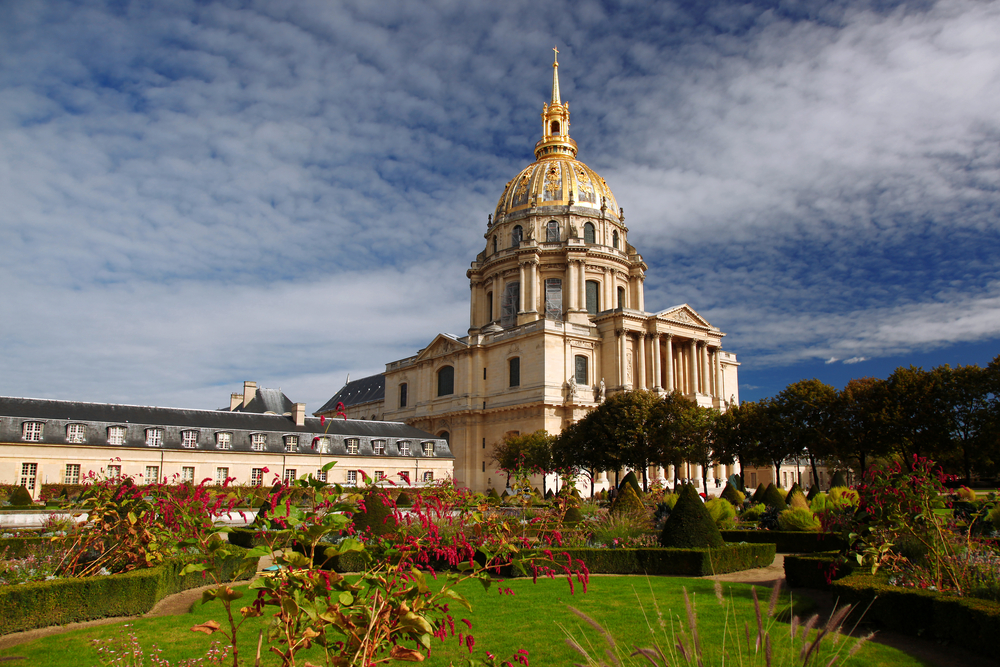
Hôtel des Invalides, or Les Invalides as it is more commonly known, was constructed by King Louis XIV in 1670 as a place to house destitute and disabled war veterans. The facility was equipped with medical facilities as well as living quarters to allow former soldiers to receive the care that they require while giving the French government a central location to keep them housed.
The construction of Les Invalides was meant to show appreciation for the sacrifices of the soldiers of France. Even today it is still used for its original purpose. Many retired servicemen live in the complex today. It has been retrofitted with modern medical facilities and everything else needed to house the retired population that lives in the complex. This includes modern kitchens, living areas, electricity, and plumbing.
It is more than a single building a contains an entire complex. The complex is filled with massive buildings and grand courtyards that give you endless options to explore. Today it also contains several military museums featuring pieces from ancient to recent military history going back to the 16th century. This includes scale models of cities used by commanders and even canons from the French Revolution. These models were used by commanders to give them a better view of the battlefield from their maps. Part of the complex also serves as a tomb for Napoleon I.
Arc de Triomphe

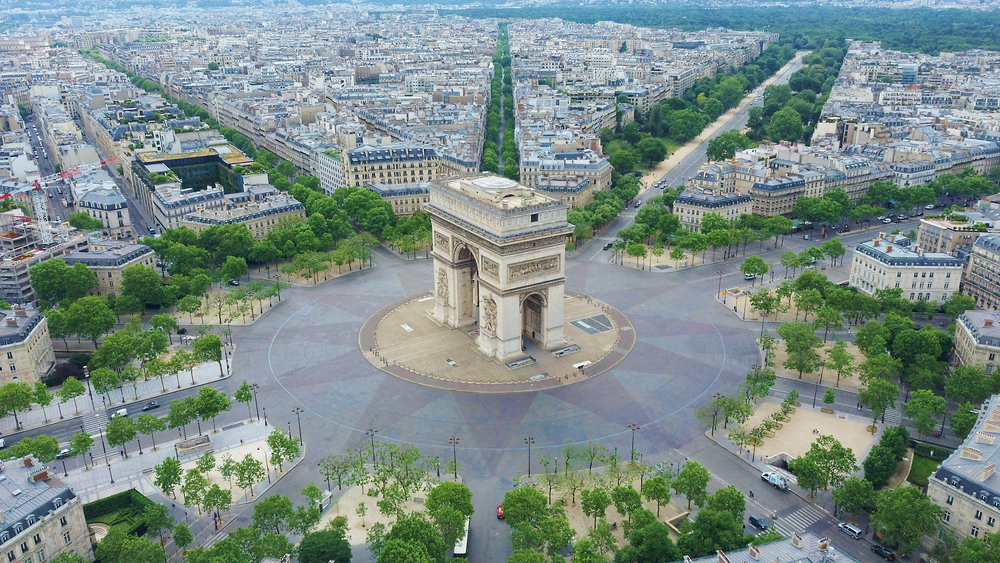
Few images are as iconic of Paris or France in general as the Arc de Triomphe. This architectural wonder was constructed in 1806 and has become a major symbol for the city. It is also one of the most visited tourist attractions the city has to offer. Some people choose to skip it because it feels too ‘touristy,’ but you are a tourist, so enjoy your time in Paris to its fullest. Do not let the fear of looking like a tourist stop you from seeing this amazing sight.
The Arc stands at a whopping 162 feet tall. While this does not compare to sight, such as the Arches of St. Louis, they are still quite impressive. The Arc was commissioned by Napoleon I to celebrate the achievements of the French military. It was also built to honor the 1.5 million soldiers that had died in Napoleon’s conquests at the time of construction.
It was designed by the famous French architect Jean Chalgrin. Construction took only a few years, and the Arc was originally commissioned on Napoleon’s birthday.
During construction, Napoleon was getting married. He wanted to be able to enter the city through the Arc, so he had a wooden replica made and used that in place of the actual Arc for the wedding.
Take a Cruise Down the River Seine
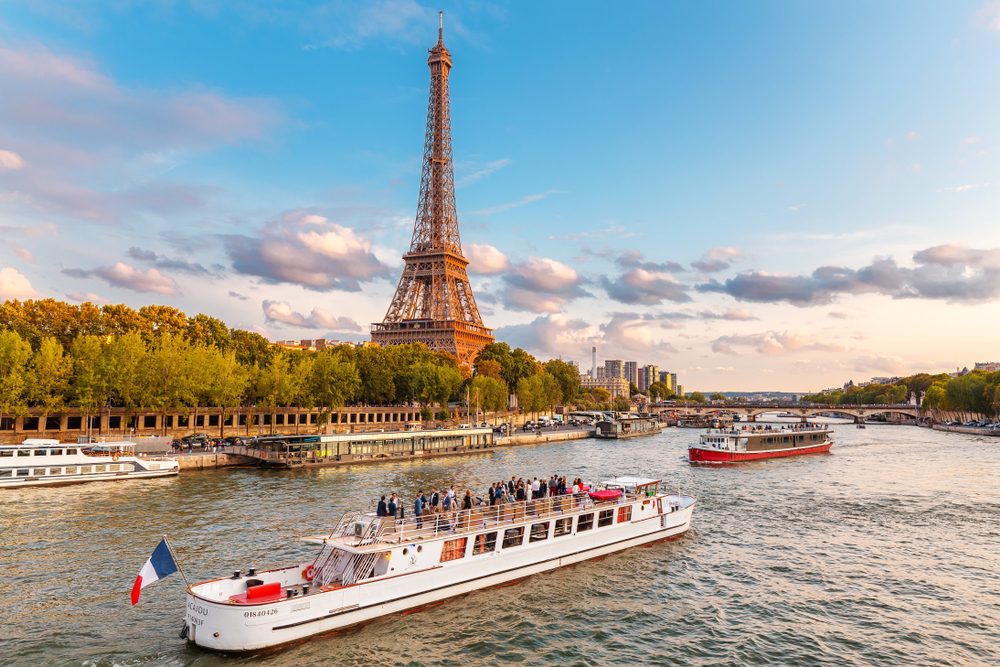
Taking a cruise down the River Seine is one of the best ways to view the oldest parts of the city of Paris, all from the comfort of a cruise ship. These are not the same cruise ships that are used for Oceanic cruises. They are much smaller and able to navigate the waters of the Seine easily and even pass under the bridges located along the river.
On a cruise of the River Seine, you can expect to be treated to authentic French cuisine, bars, and guides giving information about the various sites around the city. Tours can last from a couple of hours to all day. The price of river cruises is often much higher than Ocean cruises, but the experience is worth the expense if you want to get the most out of your trip to Paris.
There are numerous themed cruises that you can choose from, as well. Some focus on the history of the city, while others focus on architecture or art.
Some cruises offer you the option to disembark and re-embark as you choose. You must check with your cruise line to determine if this is an option before buying your ticket. No matter what cruise you choose to take, you are sure to enjoy the views from the river as your cruise through this historic city.
Luxembourg Gardens
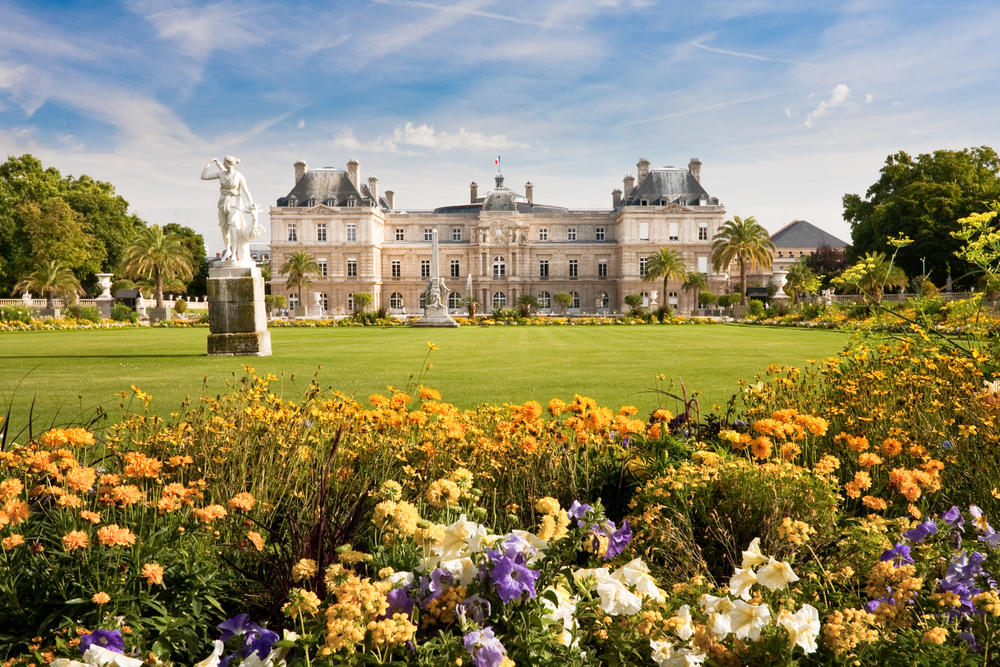
Paris is filled with beautiful historic gardens that were built by the French royalty to allow them to walk through the gardens. While many of these are impressive, few can compare with the Luxembourg Gardens. These impressive gardens cover a total of 23 hectares and feature many exotic plants.
The garden was begun by Marie de’ Medici, the widow of King Henry IV, in 1612. She had the gardens built as an addition to the Luxembourg Palace, which she had constructed as her new residence. Today the palace is still used and owned by the French Senate.
The gardens are owned by the French Senate as well, but they are open to the public for tours. The gardens also feature a variety of different pieces located within its sprawling mass. Some examples are statues and fountains that are unique to the gardens. These fountains all center around one central water basin located in the center of the gardens. Total, there are 106 different fountains and statues. These can be found scattered throughout the gardens. Some people make it a game to see how many fountains they can find on each trip to the gardens. Even if you make multiple trips, you could easily still miss several of these attractions.
It serves as a public space for the residents of Paris and features public chess sets, tennis courts, and more. For children, puppet shows, rides, and slides are available as well.
The Latin Quarter
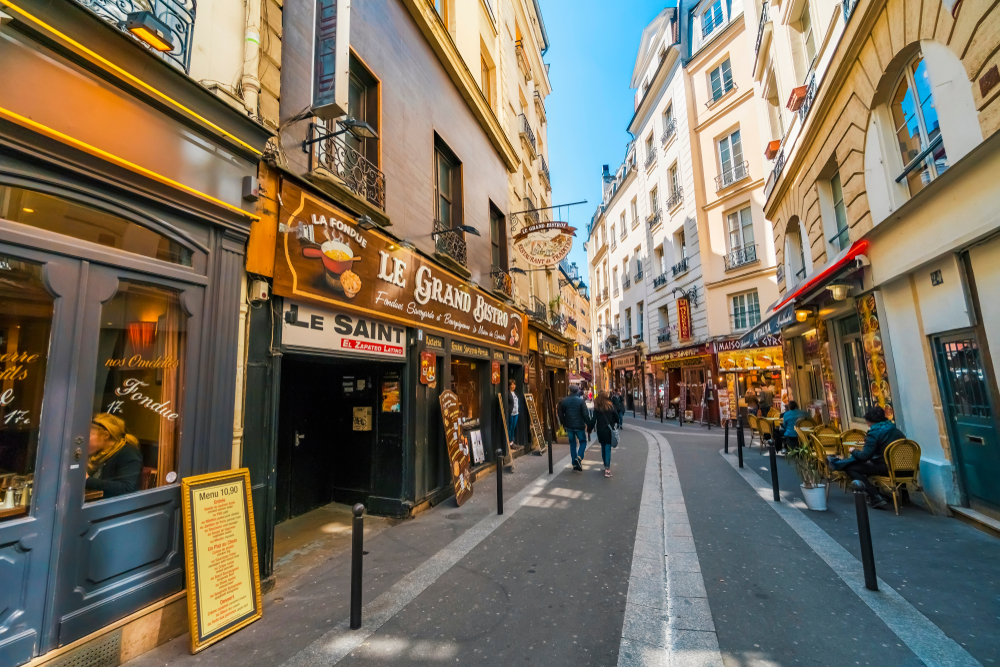
The Latin Quarter is one of the oldest sections of the city. It can be traced back to the very beginning of the city of Paris. The name Latin Quarter does not come from an ethnic disparity, like these types of names often do, but instead, it comes from the Universities located in the district.
The Latin Quarter started as and still is, a university district. At the time, higher education was almost universally taught in Latin. This is because it was considered the Lingua Franca of the Civilized World. In this context, Lingua Franca refers to the common language spoken in an area with multiple languages. For example, in the world today, English is the Lingua Franca. People in most countries around the world can speak at least some English. At the time of the founding of Paris, Latin still reigned supreme and was considered the most elegant and civilized language. It was also considered to be the only option for writing scholarly texts.
Today the Latin Quarter is still home to numerous universities that call the city home. It is also home to numerous bistros and cafes that are worth checking out if you are in the area. The Latin Quarter features some of the most unique architecture in the city. Take the time to explore this historic center of learning and place yourself in the shoes of an early scholar coming to Paris to study in the early 1300s.
Visit the Catacombs
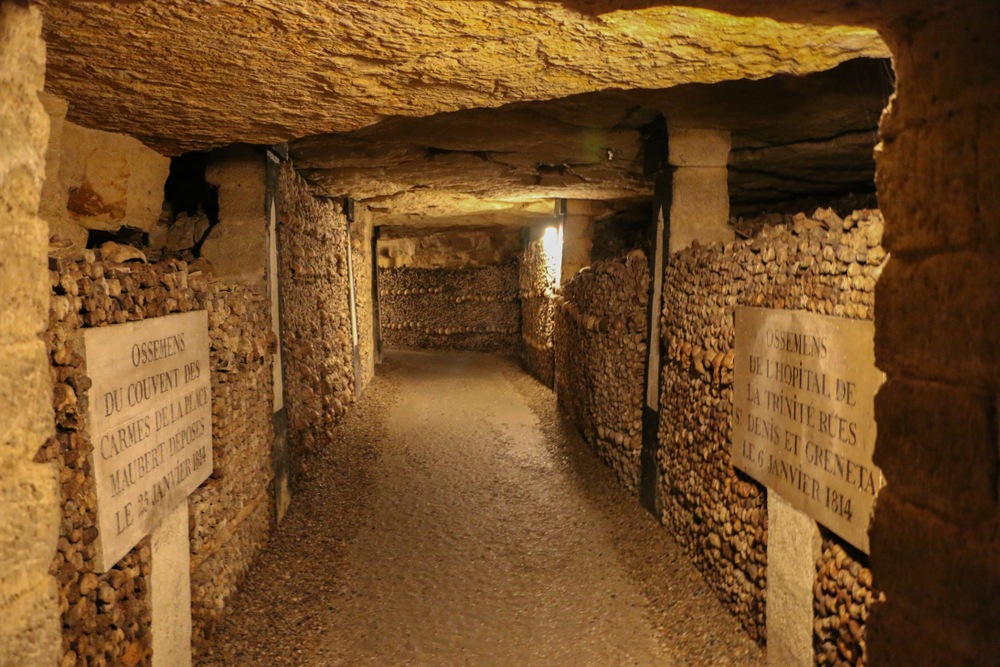
Few places in the world can pique the interest of the macabre quite like the Catacombs of Paris. These ancient tunnels are lined with the bones of millions of dead Paris citizens over the course of several hundred years. It is very easy to get lost in the Catacombs if you leave the marked trail and finding your way out can become impossible.
Paris is an old city, even by European standards. It has also remained in the same location since it was founded. Over the centuries, even the largest city runs out of places to bury the dead. This is where the Catacombs came from. The city was running out of room for burying the dead, so they removed many of the existing cemeteries in the city and moved all of the bodies to the Catacombs. Today they contain the bodies of nearly 6 million people.
There is an entire subculture in Paris centered around exploring the Catacombs. The people that participate have their own maps and have explored more of the Catacombs than state officials. They have even mapped previously unknown pools. These pools are a common attraction for explorers who seek them out as swimming holes.
Explorers are not the only ones who have taken advantage of the Catacombs over the years. Several times over the centuries, criminal organizations have used hidden tunnels in the Catacombs as their bases of operation or even simply for storage. In one particularly chilling example, police were recorded entering a room containing contraband. They did not find anyone inside, only a message reading ‘Do Not Try to Find Us.’ No one was ever arrested in connection to the raid.
Eiffel Tower

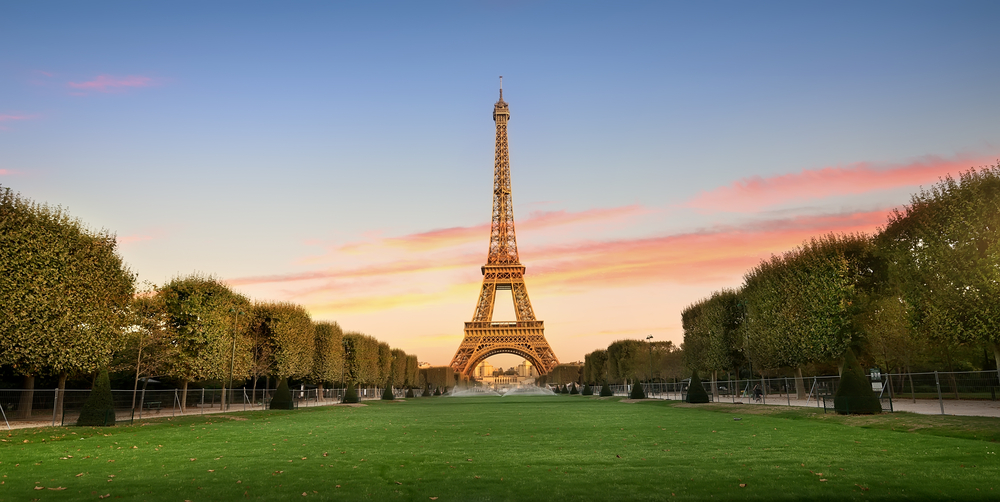
The Eiffel Tower is the single most easily identifiable French monument in existence. It is akin to the Leaning Tower of Pisa or the Statue of Liberty. Even people who have no knowledge of the history of the monument know where it is and that it is an important historical site.
When you are visiting the Eiffel Tower, it is recommended to buy your tickets inline in advance. In some cases, it is recommended to buy your tickets as soon as you start planning your trip to Paris. Tickets to the Eiffel tower have been known to sell out months in advance. You can still purchase tickets at the gate but expect to wait for at least two to three hours just to buy your ticket.
The Eiffel Tower was constructed between 1887 and 1889. Unlike many other monuments, it was not built as a memorial or celebration, but as the entrance to the 1889 World Fair. While the World Fair is not as big of an event today, at the turn of the century, it was one of the biggest shows of the year, and many cities spend large amounts of money getting ready for the fair similar to how cities treat the Olympics today.
The tower is made almost entirely of steel beams. Thanks to its all-steel construction, the Eiffel Tower actually changes height depending on the temperature. Since metal expands when it gets warm on hot days, the Eiffel Tower can grow by up to several feet.
Conclusion
Paris is a city rich with history, art, and culture. If you get the chance to visit this historic city, be sure to prioritize your visit. There is so much to do in this great city that you can easily get carried away and miss sites that you wanted to see because you ran out of time. Most people need to visit the city several times to truly see everything that they want to in Paris.
There is something for everyone in Paris. Fans of history, religion, and architecture are sure to enjoy seeing Paris’ cathedrals, even with Notre Dame unavailable. There are also the catacombs for those that are more interested in the creepy history of the city. Art fans are sure to make straight for the Louvre, the largest art gallery in the world, and the former home of the kings of France. The gallery has been modified since, but the building remains original.
The history of Paris is hard to match, even in the heart of Europe. Yes, cities like Rome and Athens have more historical and cultural significance, but they are some of the few. Paris is one of the oldest continuously inhabited cities in Europe. Whether you are going for a romantic getaway, a European tour, or just a vacation, there is something for everyone in this great city, so take your time and see as much as you can.

