

Many people love St. Patrick’s Day and millions of communities around the world celebrate the holiday. Every year people gather in their most popular Irish pubs so they can enjoy the company of friends and music over some delicious beers. Most people think of beer and green clothing when someone mentions St. Patrick’s Day, but there are many untold secrets behind the holiday that remain unknown. The holiday is much more than drinking, but many people still gather together in celebration whenever the holiday comes around.
The Irish holiday has become one of the most popular celebrations in contemporary culture, and many people recognize the holiday in different areas of the world. It doesn’t matter who you are, St. Patrick’s Day is a day that allows all people to celebrate as one. Despite being so popular, there are many facts that people don’t know about St. Patrick and why the day is celebrated so vastly. You may have wondered why the holiday has become so prominent in America since Ireland is located on the other side of the world. Many hidden reasons explain why St. Patrick’s Day is one of the most cherished holidays in the world, and some of them may seem bizarre for first-time learners. Here are ten facts about the history of St. Patrick’s Day that can help you understand why the holiday has become on the most significant days in the world.
Not From Ireland


St. Patrick was the patron Saint of Ireland, and many people associate his name with the Irish country and culture. However, St. Patrick was not actually Irish. St. Patrick was born in Roman Britain from a Christian family. Although many people thought that St. Patrick was Irish because of the popular holiday, he was a British citizen. Many historians believe that he was born in 390 A.D., but there has been an increased amount of debate of whether this was an accurate assumption.
St. Patrick was also born with the name Maewyn Succat, and he only later received the name Patricius through romanization. St. Patrick grew up in Britain his entire life and was integrated into British culture and customs. Both of his parents were Christians who taught him about the word of God, so he learned much about religion during his youth. After some time, he became to be known as Patrick because it was much easier for ordinary people to pronounce. St. Patrick was born in an area of Britain that historians now theorize was England, Scotland, or Wales. Patrick lived in Britain until he was 16 years old.
He Was Kidnapped

When St. Patrick turned 16 years old, something happened to him that changed his life forever. St. Patrick was kidnapped and taken to Ireland. The teenager was abducted by Irish pirates and taken over to their country one night when they invaded the British town he lived in. He wasn’t the only one the pirates took, though. There were several others who were also captured. Many historical accounts show that Irish pirates had been invading the western coast of Britain for almost a century before St. Patrick was taken in the early fourth century. There are also many historians who have found accounts of slavery during the early fifth century, and thousands of families were torn apart at the hands of the Irish.
The Irish were rampant in their raids and took many people back to Ireland to become slaves. The Irish took young children so they could be used as hostages, and many older men were forced to become cattle herders on the Irish countryside. St. Patrick went with the Irish thieves back to their country where he would reside for many years in captivity. The Irish forced him to live in isolation alone on a farm with only sheep and cattle to give him company. St. Patrick feared for his life and safety during these times, and he knew that there was a chance that he would never see his family ever again. Historians found St. Patrick’s short autobiography called Confessio, which told stories about his days of captivity on the Irish countryside. Many researchers learned about what types of experiences St. Patrick endured during these times, and this autobiography gave information about how St. Patrick became one of the most popular household names in the contemporary moment. All of this experience changed him forever.
He Found Solace In Isolation


St. Patrick spent many days in isolation while he was working as a slave cattle herder in Ireland. All the time he spent alone left him with many unanswered questions as he descended into solitude. St. Patrick felt alienated from the outside world in captivity, and he soon looked to forms of religion that he had learned while living in Britain. St. Patrick’s father was a Christian deacon, and his grandfather was a priest in Britain. Christianity was the largest part of St. Patrick’s life when growing up, and he learned vast information about God and the Christian tradition.
St. Patrick turned to Christianity during his captivity, and soon, he found solace in prayer. In his autobiography, he writes about how prayer would get him through the long days of slavery that he was forced to endure. St. Patrick prayed over 100 times a day for his safe return back to Britain, and soon, his prayers were answered. One night, he wrote about how an angel appeared to him in a dream. The angel told him that there was a boat coming on the eastern shore of Ireland that was leaving back to Britain. St. Patrick found hope through his dream, and after six years of captivity, he finally escaped during the night. St. Patrick boarded the boat and fled during the night back to Britain, where he could finally be reunited with his family and home country.
The Life Of A Missionary

After St. Patrick fled Ireland and made his way back to Britain, where he could pursue his faith with his family. Once he arrived in Britain, he began to receive visions in his dreams that told him that he must become a priest. The visions also told him that he needed to return to Ireland and spread the message of Christianity to all the people who lived there. St. Patrick began to rigorously study Christianity so that he could return to Ireland on a missionary trip. He decided that he needed to study Christian traditions for many years before he could return to Ireland and spread the message of God. He didn’t, however, go to Ireland immediately.
St. Patrick found his way to France, where he studied under the Bishop of Auxerre. He knew that there was much to learn before he could return to the place of his capture. A total of 12 long years passed before the Pope granted St. Patrick the blessing to return to Ireland on a missionary trip. St. Patrick was a very devout Christian man, and he often considered his imprisonment in Ireland as a punishment for lacking in faith and devotion. With the power of prayer and God, he wanted to return to Ireland to change the hearts of the people who captured him when he was younger. Once the 12 years passed, St. Patrick was ready to leave France and return to Ireland. Even after six years of captivity, St. Patrick still had faith in the people of Ireland, and he wanted to share knowledge and enlightenment with them.
Gaining Followers

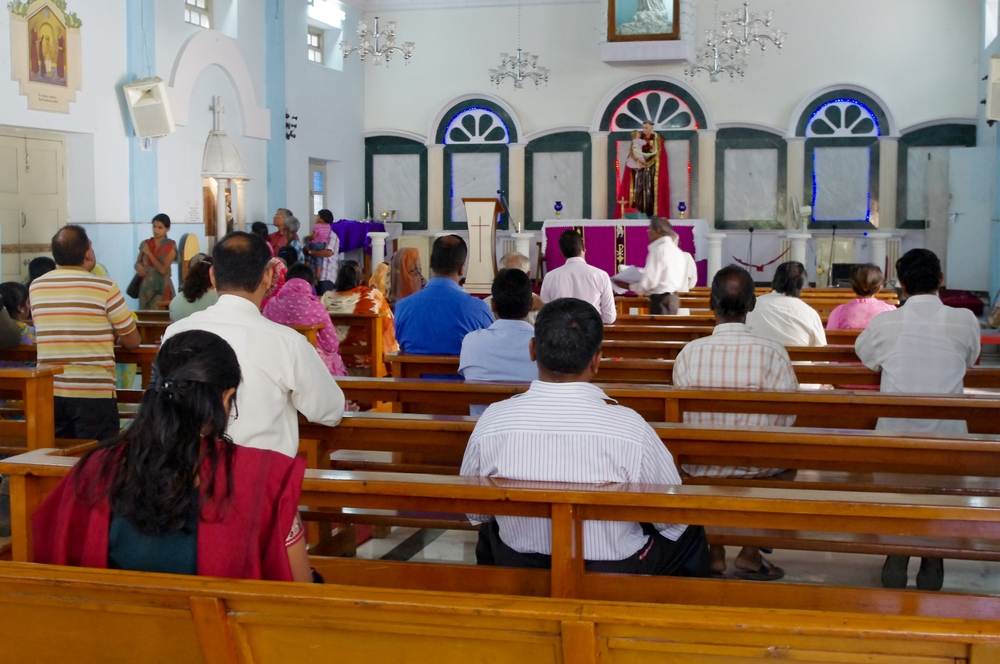
St. Patrick returned to Ireland with the intent of teaching the people the rules and values of Christianity. Many admired his teachings, but others resented his preaching ways and drove him out of their towns. St. Patrick was a polarizing figure in Ireland, but he soon began to gain some followers. Many missionaries find it challenging to teach the ways of a new religion to a different group of people. The Irish people started to warm up to St. Patrick’s ideas after he visited many towns and used his warm and charismatic approach of communication. Soon, thousands of people were looking to get baptized and converted under the guardianship of St. Patrick. Once he started to gain traction in the northeastern areas of Ireland, many people started talking about the benefits of Christianity.
Despite being successful at converting many people in Ireland to Christianity, St. Patrick still had his obstacles. There were many groups of people who lived in Ireland that resented his religion and did not want his influence to corrupt the morality of the Irish locals. Pagans were some of the people in Ireland who despised St. Patrick when he first arrived. The pagan lifestyle was very different from the Christian tradition, so tensions arose between the two religious groups. St. Patrick had to work harder so that the Christian message could be spread.
Conflicts With The Pagan People

St. Patrick started to facilitate the dissemination of Christianity around the Emerald Isle, and soon, the people began to follow the new religion. Although St. Patrick popularized Christianity in Ireland, he did not introduce the faith entirely. Other people had brought over the belief but were unsuccessful at integrating it into the Irish culture. Irish explorers also encountered Christian practices while traveling to British areas during their explorations. The religion slowly made its way back to Ireland through delocalized transmission, but still, no one had successfully implemented the beliefs throughout the country at a large scale.
The Pagans of Ireland questioned the validity of St. Patrick’s religion and refuted his presence in Ireland. Although the two religions did not coexist together seamlessly, Christianity did not drive Paganism out of Ireland entirely. The Pagan druids existed before and after St. Patrick was located in Ireland, and people still practice the ancient religion to this day. Many people say that St. Patrick drove the serpents out of Ireland with his religious teachings. Many historians have theorized that the snakes were a metaphor for the Pagan practices the preexisted before the Christian traditions. Although people claim the serpents were repelled, Paganism still exists even in the presence of Christianity. Today, the two religions coexist together, and many people embrace religious diversity in Ireland. St. Patrick’s Day has become much more than a Christian holiday and is now celebrated by people of all religions across the globe.
Where Did The Green Come From?


St. Patrick spent many years spreading Christianity around Ireland, and soon he erected many churches and performed thousands of baptisms. Strangely enough, St. Patrick was never actually ordained as a saint by the church, but many people regarded him as a holy figure through his work. St. Patrick passed on March 17th, and that is when the holiday is celebrated annually.
Many portraits of St. Patrick depicted him dressed in blue robes. Blue was the original color that people associated with St. Patrick’s Day, but now the color has changed to green. Most of St. Patrick’s Order was traditionally dressed in a sky blue color that became known as “St. Patrick’s Blue.” Green was a more natural choice for the Irish country since it was commonly referred to as The Emerald Isle. The green color also worked well with the Irish flag, which has a broad green stripe that was on the other side of a white and orange section. The flag represented the differences and coexistence of the Christian and Protestant people of Ireland, so the green color made sense for St. Patrick’s Day. The color green has now become a facet of popular culture, and many people associate it with Irish culture and good luck. Even though blue is not associated with the Irish holiday anymore, it still has historical connections to the St. Patrick and the Irish traditions. There are also many other reasons why green became apart of St. Patrick’s Day.
The History of The Shamrock

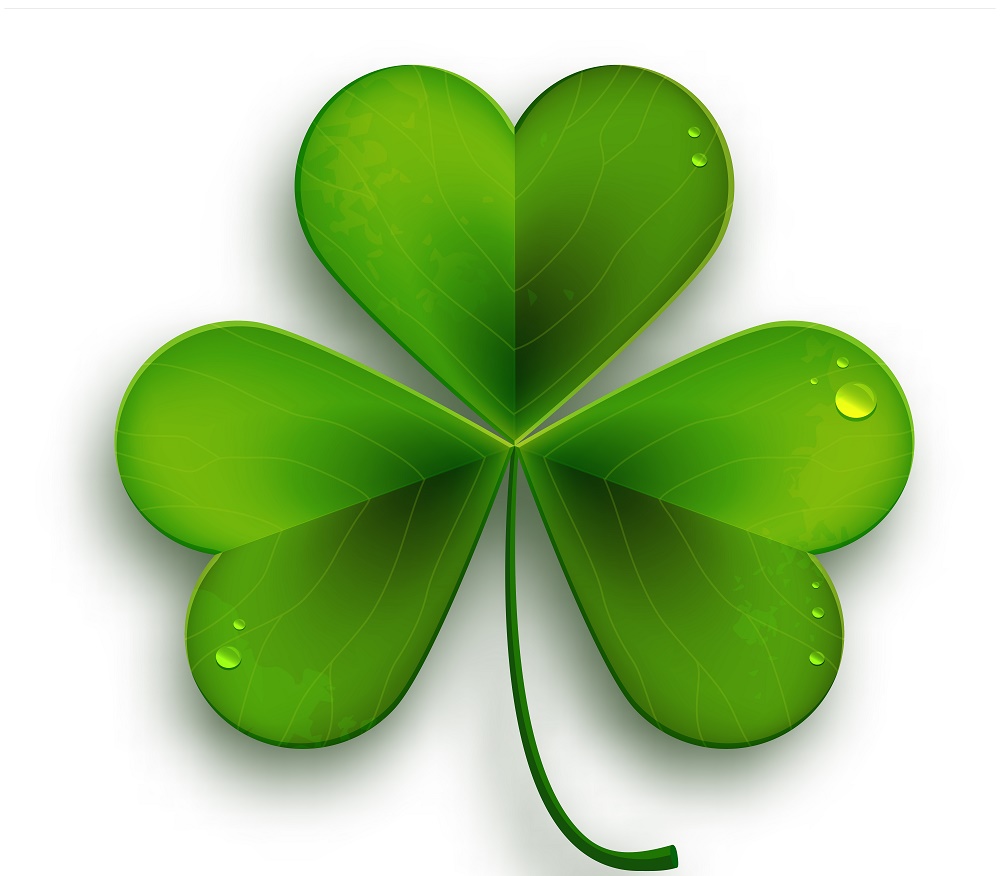
The three-leaf clover, or the shamrock, is considered to be the unofficial flower of Ireland. Many people recognize the shamrock and think it to be a symbol of good luck and fortune. Everyone acknowledges the shamrock, but many people don’t know its actual history toward St. Patrick’s Day. When St. Patrick traveled to Ireland as a missionary, he used the shamrock as an educational tool. The three-leaved plant was used to represent the Holy Trinity to the local people. Each leaf represented the father, the ghost, and the Holy Spirit. St. Patrick used the shamrock plant to convince people that Christianity was a valid religion in Ireland.
Once St. Patrick died, many people still wanted to use the shamrock as an essential symbol in their everyday lives. Irish people began to wear the shamrock to church since it had a connection to their new religion. The shamrock grew in abundance in Ireland, so it quickly became a national symbol that was associated with St. Patrick and the Christian tradition.
When Irish immigrants came to the U.S. in the 1760s, they could not find any shamrocks that were locally grown. Instead, the immigrants decided to substitute the plant with the color green, which is one of the reasons why the color is so popular on St. Patrick’s Day. Images of the shamrock became more popular than the plant itself in America. Now, the image of the plant is found on shirts, cards, and flyers during the holiday.
The Significance Of The Leprechaun

Leprechauns are an essential figure on St.Patrick’s Day. Millions of people recognize the small elf-like character, and the fantasy creature is inextricably linked to Irish culture. Leprechauns are commonly depictured as happy-go-lucky creatures that bestow luck on anyone who is able to catch them. However, in traditional Irish folklore, leprechauns were actually seen as evil creatures that tricked humans out of having good fortune. The small animals wore red instead of green in old depictions and differed significantly from the contemporary imaginations of the creature. The old leprechauns were known to hide their money at the end of a rainbow from humans, and most people spent large parts of their lives looking for their treasures.
Leprechauns began to wear green in the twentieth century because the figure was strictly related to the Irish culture. Because green was becoming an Irish staple, the leprechaun followed along with the color trend. Soon, the leprechaun transformed from a sinister fantasy creature into a happy elf that could grant three wishes to whoever caught him. Many people admire the image of the leprechaun during St. Patrick’s Day festivals, and the small creature has become well known for their ginger hair and green suits. If you’re lucky, you may stumble upon a tiny leprechaun at your local Irish tavern on St. Patrick’s Day. Make sure you don’t get on their wrong side since they haven’t always been as lovely as they look now!
Why Drinking Is The Norm

Many people know St. Patrick’s Day because It is a day for drinking. People gather around the globe to enjoy drinks on holiday, even though they don’t understand the historical significance. Christian people in Ireland lifted their drinking restrictions on St. Patrick’s Day. Many people in Ireland conglomerated during the holiday to celebrate their Lenten restriction being lifted. This reason is why drinking became so prominent during St. Patrick’s Day is because people believe that the day is an inextricable link to the celebration and Christian tradition.
After many years, citizens began to understand drinking as a popular part of St. Patrick’s Day. Even though the first St. Patrick’s Day took part in America, the celebration began to make its way into global culture through its widespread dissemination. Many people embrace St. Patrick’s Day as a worldwide holiday because of its party-like nature, and that may be why it has become so globally recognized worldwide. Although people understand St. Patrick’s Day to be a day of celebration, many Irish people still appreciate the holiday as a day of Christian worship. St. Patrick remains in many peoples minds as they celebrate the global holiday, even though it has become a facet of popular culture. Everyone can remember a moment that they went out with their friends to drink on St. Patrick’s Day, but not many people can explain why the holiday came into existence. The next time you go out on St. Patrick’s Day you may want to consider how the holiday began.
Conclusion
St. Patrick’s Day is one of the most popular holidays that occur annually. Copious amounts of people gather in Irish clubs every year to celebrate the holiday, but many people don’t understand the historical significance of the celebration. St. Patrick’s Day has a deep history, that many people don’t understand, but if you look into the history of the holiday, you can find many interesting facts. St. Patrick’s Day is more than just drinking and wearing green. There is so much more to the holiday that many people would never realize.
St. Patrick’s Day has various elements that are foreign to many people. The celebration may continue to be a global phenomenon, but still, there are many facts that seem unknown to people around the world. It may be essential to know about the history of St. Patrick’s Day, but it doesn’t undermine your experience with world-renowned expertise. St. Patrick’s Day is always going to have a place in party culture, and many people are going to have skills with the eccentric experience. Even though the holiday has been detached from its religious roots, the holiday is still remembered by many through its connection to Christian culture and practices. The next time you go out and celebrate St. Patrick’s Day, you shouldn’t forget about how the holiday came into existence through its historical roots. With these ten facts, you can understand how the holiday came to be and how it is one of the most important days of the year.

