
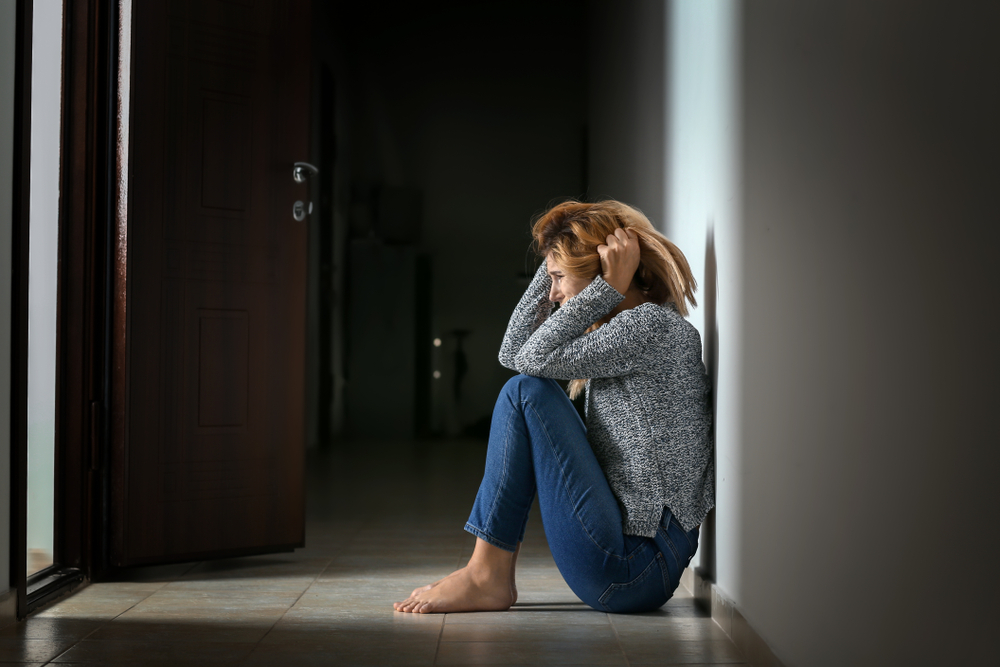
A panic attack is one of the most intense and frightening experiences imaginable. This applies whether you are the one having the attack, or you are witnessing someone else go through it.
It is a sudden onset of immense fear for no discernible reason. It begins as a psychological problem but soon manifests itself physically. The physical reactions contribute a lot to the reason that they feel so frightening. People who have experienced them report a feeling of a loss of control. Some even feel as if they are experiencing a heart attack or as if they are about to die.
Some people are more susceptible to the occurrence of panic attacks than others. While some people never experience the phenomenon, some experience, or a couple during their lifetime, at the tail end or during a stressful situation. These people are not as unfortunate as those who have a recurrent problem. These individuals have numerous unexpected panic attacks throughout their lifetime, and as a result, they find themselves living in constant fear as they wander about the coming of the next one. This is a bit escalated, and in this scenario, these people have a condition that is known as panic disorder.
Panic attacks do not have life-threatening properties; however, the fright associated with them can lead to a reduction in quality of life. Note, however, that effective treatment methods do exist. Below is an overview of 10 things that you can do to stop an occurring panic attack if one cannot be prevented.
Keep Aware of the Symptoms

Before dealing with the onset of an attack, you need to recognize that you are experiencing one. How do you resolve a problem without realizing that the problem is there in the first place?
Some people believe that attacks can only occur if you are in a scary situation; however, this could not be further from the truth. The unpredictability factor is the major reason why panic attacks are as dangerous as they are. Think about it for a second. If everyone who is at risk for panic attacks could only experience them when exposed to scary situations, why not just avoid them? That’s because that’s not how it works.
Sometimes people are doing some of the simplest things such as eating out, having a meeting, or even lying in bed. Somehow, even though this is all a person may be doing, a sudden powerful sense of fear emerges. Remember, one of the defining factors of panic attacks is that there is usually no impending danger.
Some of the most common symptoms associated with panic attacks are sweating, hyperventilation, a quick heartbeat, chest pain, nausea, or trembling. These symptoms can last up to 20 minutes at a time.
The important thing is to get acquainted with the effect they have on you. Once you can recognize whenever you have an attack, you can then begin to work on your symptoms effectively.
Breathe Deeply

There are so many applications of deep breathing that it has become somewhat cliché. However, using a deep breathing technique is one of the best ways to mitigate a panic attack if you have one.
In many instances, when the human body is out of its comfort zone, such as it is during endurance running or during a panic attack. It responds to this by inducing short breaths. In both cases, however, the best thing for your body is to avoid breathing in that manner.
During a panic attack, the sense of fear is increased during hyperventilating. Since fear is the source of all the reactions, this means that the presence of the other symptoms is also accelerated when breathing is thrown off. This is the reason that you need to focus on your breathing as much as is possible and slow it.
If you can gain some manner of control over your breathing, you can keep these symptoms at bay, and you can reduce the effect of the attack itself. Open your mouth and take long breaths both in and out through it. Focus on the passage of the air and feel it fill your lungs before your release.
Counting is also a great way to help you maintain an even pace of breathing. Breathe in over four seconds, hold it there for a moment, and exhale for four seconds as well.
Rationalize

When you have a panic attack, it is a time in which you need to depend on your logical brain as much as is possible. Humans have both an emotional side and a logical side. Most times, the emotional side tends to take over, and during a panic attack, it reaches a fever pitch. Since a panic attack is a play on fear where there’s no danger, it means that the concept of rational thought is an afterthought.
This is the reason that you need to rationalize as your calm is a priority in these situations. There are somethings that you know deep down but hearing them helps to reaffirm it. This is something that you must do for yourself whenever an attack is taking shape.
The good thing about recognizing when a panic attack is coming on is that you can brace yourself. You need to use this to your advantage and convince yourself that there is no real danger. Your brain needs to be convinced that what you’re experiencing is nothing more than a spell of anxiety. You must dispel the belief that you are in danger.
Try talking to yourself to achieve this. Practice becomes perfect and, therefore, you need to establish a speech routine to help with this. Quotes like “This is not real” or “I can get through this” can work for this situation.
Try Closing Your Eyes
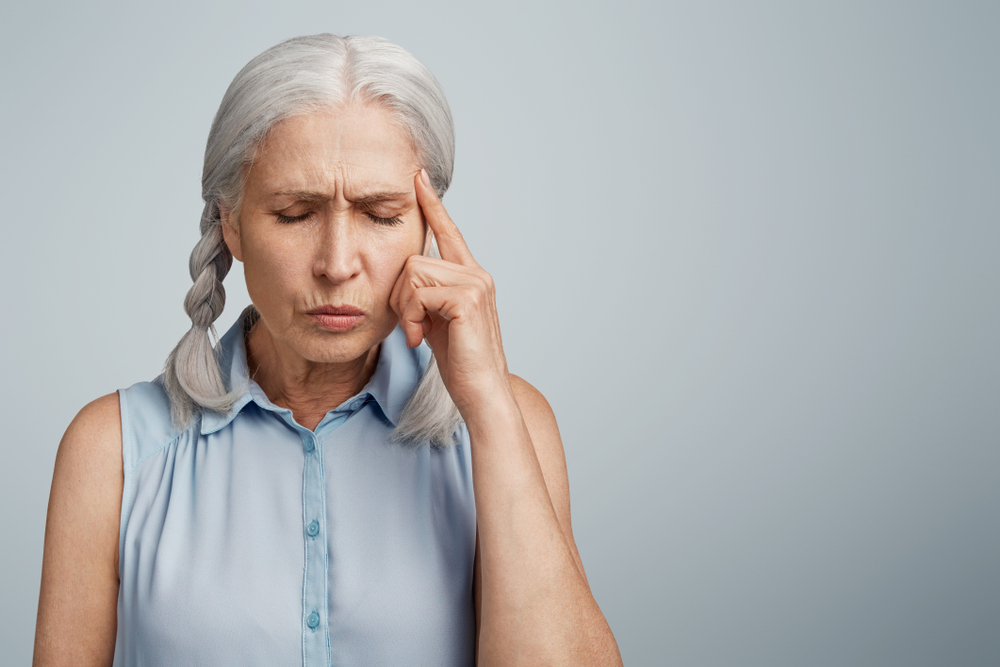
Humans are visual creatures, for the most part. While the brain conceptualizes ideas based on what it interprets from all five sensory organs, sight is one of the most powerful. This means that regardless of what the other senses are indicating, the interpretation made of a situation may wholly be based on what the eyes indicate.
While panic attacks are mostly random, some occur because of triggers. When you are exposed to these triggers, you may find that you feel overwhelmed. The only way to reverse this is to reverse the source of stimulus that is affecting you. Visual stimuli are some of the most dangerous as sight moves at the speed of light.
Fast-paced environments with multiple sources of stimuli are especially worrying as not only is removing the stimuli difficult, but the context promotes chaos, which is something your brain should not be exposed to during the attack.
The good thing about the eyes, however, is that you can prevent them from registering anything simply by closing them. This allows you to protect yourself from the effect of visual triggers.
Apart from just shutting those sources of stimuli out, closing your eyes allows you to restore your calm and keep a level head. To this end, it provides a gateway for you to tighten your focus. This focus can then be used to implement other contingencies such as rationalizing and breathing slowly.
Reduce Caffeine Intake

The first thing to remember is that panic attacks are based on anxiety. Therefore, when looking at the relationship between caffeine and panic attacks, you need to consider the relationship between caffeine and anxiety.
Caffeine is an ingredient in many common drinks such as coffee and Pepsi; however, its effects are not always positive. This is especially true when it is consumed in large quantities. For years, studies have been done on caffeine and its effect on anxiety, and while some have concluded that the effect is negative, others have concluded that there is no effect. While it has not yet been proven to worsen panic attack symptoms, what has been proven is that it can mimic the symptoms of anxiety.
The problem with this is that an anxiety attack and a panic attack are hard to differentiate, even for those who experience them. Imagine that you have been keeping track of your panic attack symptoms, and you can finally tell when you are experiencing one. What do you think happens if your caffeine intake causes you to see these symptoms even though no attack is happening?
Not only do you then end up having to deal with what you think is an attack but since you weren’t able to feel out its usual onset, you may find yourself doubting your ability to discern your attacks accurately. Losing your mental edge means that you must start your fight all over.
Use the H.A.L.T System

As stated before, many people experience panic attacks because of exposure to various triggers. The H.A.L.T. system is used to help those suffering attacks to evaluate themselves in four different areas.
The “H” in H.A.L.T stands for hunger. In people who do not suffer from panic attacks, hunger is known to manifest itself in many negative emotions. Irritability is one of the most likely. Hunger is a trigger for panic attacks as the discomfort it brings throws off your balance. Once you fail to maintain your mental edge, you start snowballing your way to an anxiety attack.
The next letter is “A,” which deals with anger. Anger is the most explosive expression that a human being can experience. It is also known for its ability to disrupt rational thought more than any other. This means that you need to be very careful where anger is concerned. It can take over in an instant and, therefore, you need to take steps to maintain control.
The “L” stands for loneliness. Humans are social creatures, and interaction is something that they crave. A feeling of immense isolation is a recipe for worry. However, each person has steps he/she can take to reduce the onset of loneliness. It could be as simple as calling someone. Find your remedy and use it when necessary.
Finally, there is the “T” for tiredness. Exhaustion throws everything out of whack, and if you need some sleep, walk away from a situation until you are rested.
Distract Yourself


There is no feeling that compares to that of experiencing a panic attack, as it can feel like everything is out of control. The psychological toll is one thing, but the physical toll is very uncomfortable.
One of the best ways to deal with the onset of an attack is to use various techniques to distract yourself from what you are feeling using any known distraction technique. A distraction technique is anything that you engage in, which helps to shift your mind from any emotion you feel. It’s just a matter of choosing what to do with your energy and following through with that choice. Contrary to popular belief, energy is required in order to process upsetting emotions. When you use your energy for a more beneficial cause, you are better able to control your snowballing emotions. Feel free to mix in other coping mechanisms with your distraction techniques.
As stated in the previous point, maybe you are lonely, and you just need to call someone. It is not unlikely that the right person can say the right thing that helps you to retake your balance. Sometimes the source of your attack is based on your physical space. In this case, all you may need to do is leave, head somewhere else, and use the other techniques discussed to gain your equilibrium.
Try Physical Activity

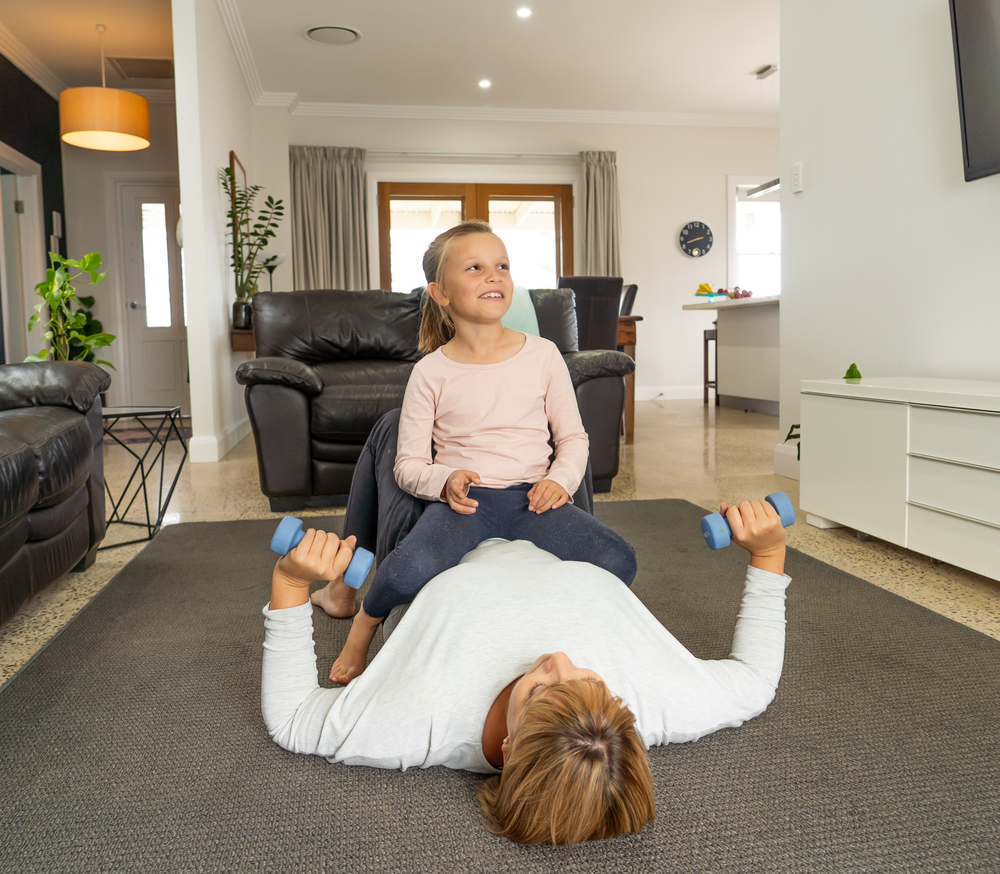
One of the most beneficial things you can do if you suffer from panic attacks is to implement physical activity in your routine. While most of the other entries deal with actions, you take during the attack to return to normalcy; this is a continuous action that is geared towards the maintenance of an acceptable quality of life.
It is common for mental health doctors to recommend exercise to patients with mental conditions as a part of treatment plans. This is because studies have shown that physical activity is a great way to reduce the occurrence of mental health issues. Some occurrences, such as panic attacks can be prevented before they occur in this way.
Many people who deal with panic attacks express the fact that they feel pent up tension. They have difficulty addressing this tension and, therefore, it stays and builds until it is released when an attack occurs. Exercise provides a proactive method for the reduction of this tension, and it also helps with the feelings of both fear and worry.
From being a distraction from negative thoughts to decreasing stress hormones, to promoting confidence, exercise provides a myriad of psychological benefits, whether you have a mental disorder or not.
The best exercises for those who deal with panic attacks are Tai Chi, yoga, and aerobic exercises. These kinds of exercises provide the benefits discussed while using an even pace to maintain calm.
Try Benzodiazepines
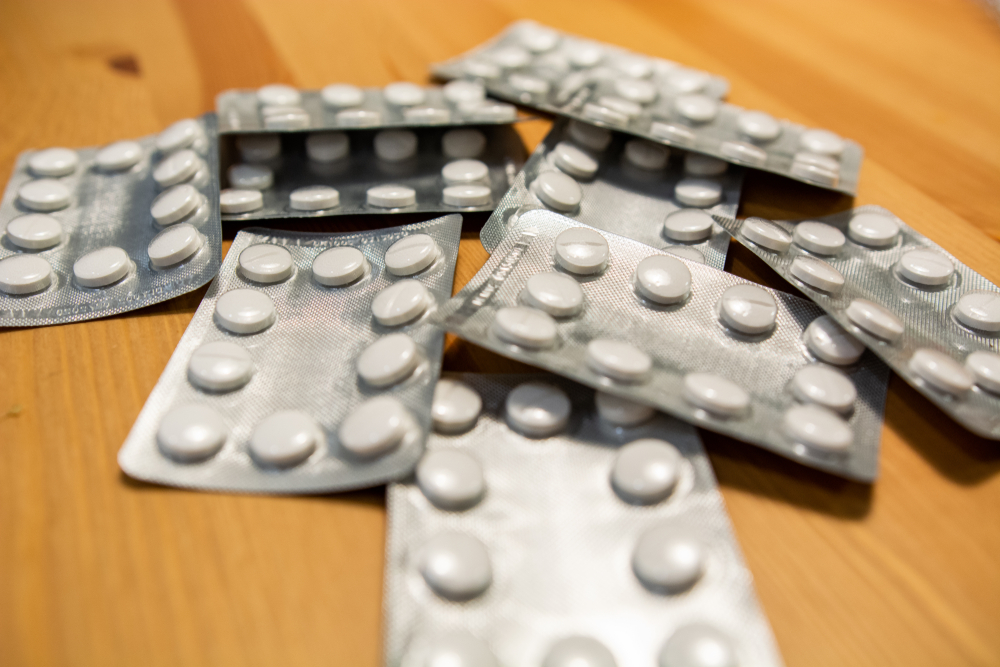
One of the most effective treatment methods for anxiety is using benzodiazepines. This is what makes it so popular with patients who are experiencing bipolar disorder since they are at a higher risk for ailments such as anxiety and panic attacks.
Though they are effective, benzodiazepines are usually used over a short period for treatment because they have an addictive property.
You may also want to consider having some lavender on hand. Lavender is commonly used with benzodiazepines as the combination is known to provide a very high level of calm. Note, however, that when used together, they also cause a strong onset of drowsiness, so your falling asleep is likely. Therefore, ensure that you don’t need to be awake for anything anytime soon.
Lavender on its own is known to allow your body to relax. It is a good idea to keep lavender essential oil with you to battle your panic attacks. Unlike benzodiazepines, lavender is not addictive, and there’s no danger associated with using it repeatedly. The scent of lavender allows for relief during a panic episode. Once you have some close, apply it to your forearms either when you feel the attack coming, or after it has already begun. Inhale the scent as you complete your deep breathing technique to help you to calm down.
You also have the option of drinking lavender or chamomile tea for their soothing properties. Lavender can be purchased from all known online retailers.
Cognitive Behavioral Therapy (CBT)

While all the other recommendations are steps to be taken by you exclusively, this one requires a bit of external assistance. CBT is one of the most common forms of therapy used for both anxiety and depression.
CBT is based on the principle of interconnectivity. The idea is that your physical reactions to situations, your actions, your feelings, and your thoughts are all connected. This means that each has bearing on the others. Therefore, if you are having negative thoughts, it starts a vicious cycle that propagates to the other aspects. Unfortunately, this means that you become trapped in this cycle if you allow yourself to get there.
To treat this, it becomes necessary to look at your problems as the sum of their parts instead of the whole. This allows them to be less overwhelming, and it allows you to view them in a positive light. The therapy sessions teach you how to make positive habits, which help you to improve the way you feel. Of course, this is all based on current events, as CBT is not concerned with issues from your past. The idea is to pinpoint practical solutions to your problems, which allows for continuous improvement of your mental state.
CBT is usually done in the form of sessions that take place either once a week or once every other week. Depending on your situation, you may need as little as five or as much as 20 sessions.
Conclusion
Panic attacks are not fun experiences to have and learning to deal with them is a huge part of the battle. The steps you can take to this end fall into one of three categories. These are those that you take during your attacks, those that you take continuously, and those that require external influence. Of course, the first thing you need to do is get to the point where you can telegraph your attacks and understand your symptoms.
The steps that you take during your attacks are geared towards restoring your mental state to one of calm. The first step in this regard is to breathe deeply as hyperventilation results in a stronger presence of your other symptoms. Next, you need to rationalize by appealing to the logical side of your brain. You can do this by talking to yourself and believing that the danger is fabricated. Close your eyes to block out any visual stimuli that may be setting your anxiety off. Remember also to use the H.A.L.T system to ensure that you are not uncomfortable because of a factor such as hunger, anger, loneliness, or tiredness. Finally, use distraction techniques to help you refocus.
Steps taken continuously are aimed at reducing the impact of attacks and reducing their frequency. These steps include exercising regularly, reducing your caffeine intake, and taking benzodiazepines. Finally, you can get assistance through therapy avenues such as CBT to help you break the cycle that leads to your panic attacks. All these factors come together to help you to stop panic attacks and take your life back.

