
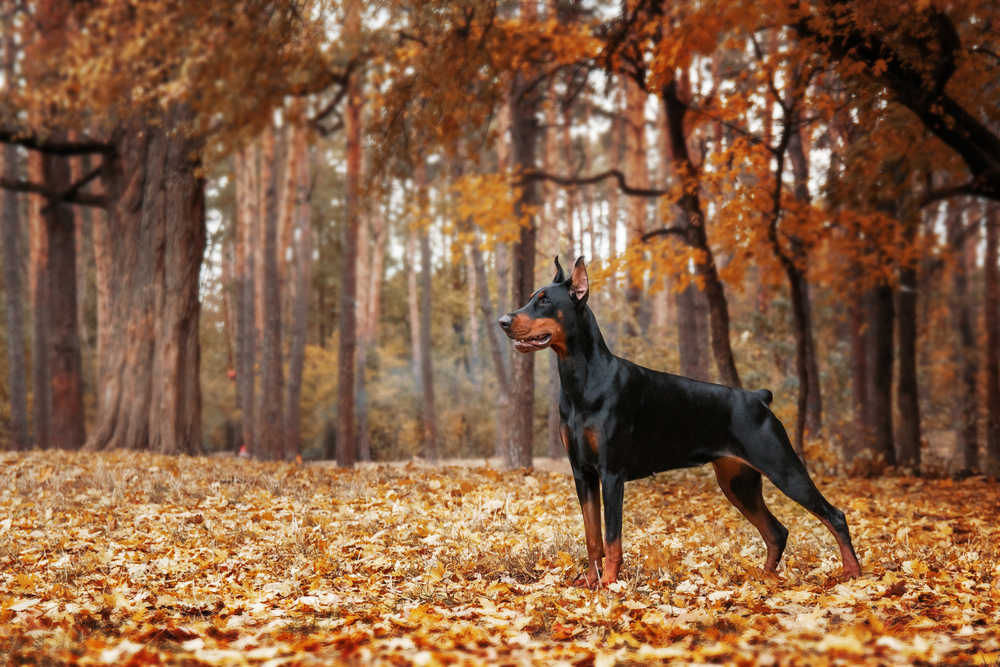
Owning a pet is one of the most thrilling, rewarding, and challenging experiences people can have. It is very common for persons to choose a dog as a pet, as opposed to animals such as snakes. Caring for most dogs is straightforward and they make very good companions. Once they are well taken care of, most dogs are very loyal, and they are willing to protect their masters. Dogs are generally very excited around their owners and enjoy steady exercises such as walking or running.
As is the case with many other animals, dogs are found in numerous breeds. One of the big decisions associated with getting a dog is choosing the right breed. Some people prefer large dogs, while others prefer tiny dogs that are easy to put in the lap. Between these two extremes is where the Doberman Pinscher is found, which is a common domestic dog. They fall in the medium-large category, and they are characterized by having long muzzles.
Doberman Pinschers tend to not be very heavy-footed as they stand on their pads. They’re also known for their versatility as they don’t have a set personality. The variation greatly depends on who the owner is and the kind of training the dog receives. Be that as it may, Dobermans are known for their acute intelligence, high awareness, and their incredible loyalty. Learning about a breed of dog before owning one is recommended as it allows you to make more informed decisions. Therefore, this article covers 10 things you need to know prior to owning a Doberman Pinscher.
They’re Not as Aggressive as People Make Them to Be

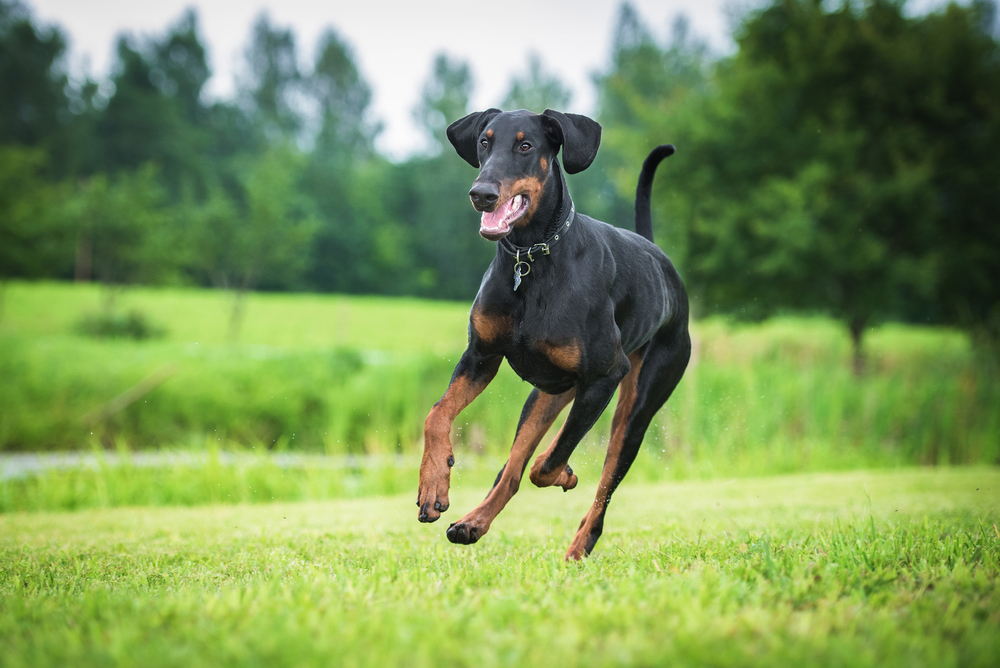
There’s no denying that Dobermans can look very intimidating, but their personalities usually don’t fit that bill at all. Medium to large dogs usually induces a bit of panic as people wonder about the safety hazards that these animals pose whenever they get aggressive. There are many horrid stories about Doberman Pinschers being used as war dogs and police dogs, which cause them to be stereotyped as being overly aggressive. While these qualities applied in the past, this is no longer the case.
Back then, they were bred differently than they are bred now. Initially, Dobermans were intended to be ferocious and aggressive, in addition to being obedient and responsive to commands. They were primary used for offensive and defensive roles such as those of personal defense dogs or war dogs. This means that they were not very ideal domestic companions at the time. It is important to realize that the breeding process has a large impact on the type of personality a dog has, and this process for Dobermans is not what it used to be. Modern breeders have heavily toned down this trait over time and, therefore, the Doberman Pinschers of today have a much more even temperament.
It is also this process that has resulted in the high intelligence and the high trainability associated with these dogs. Note, however, that while they are no longer among the most likely dogs to be aggressive towards strangers, they do have more potential than many other breeds to show said behavior.
There Are a Few Health Concerns to Watch out For
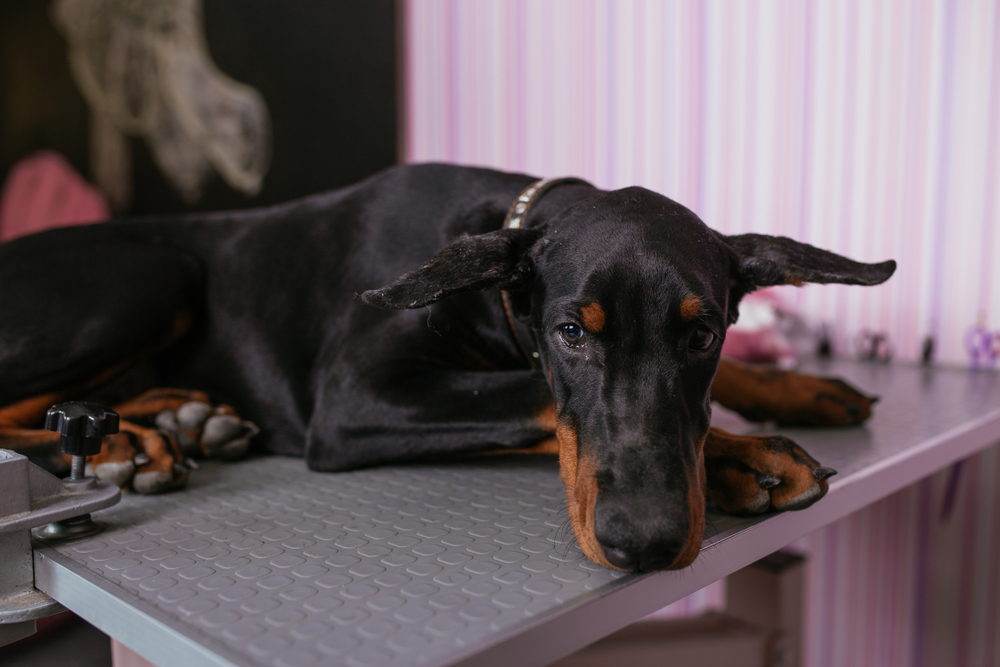
In the canine kingdom, Dobermans are thought of like royalty, and one of the reasons for this is the breed’s health. Generally, these dogs tend to be in superb health with strong vitals. Be that as it may, there are several conditions that owners need to be aware of, as the breed is very susceptible to them.
The first of these is bloat, which is the more common name used for Gastric dilation-volvulus. This is a potentially life-threatening condition, which usually requires emergency treatment as a dog with bloat may only have hours to live. Symptoms associated with bloat include restlessness, abdominal enlargement, retching, and whining when the belly is pressed.
Second, there is hip dysplasia, which is a common skeletal condition in dogs that are on the larger side. When a dog has this condition, the ball and socket joint in the hip either haven’t developed or they don’t fit properly. Therefore, the joint’s components grind against each other, instead of smoothing gliding along with each other. The result of this is a broken-down joint over time, which can lead to the joint’s becoming dysfunctional. Symptoms of hip dysplasia include a narrow stance, decreased physical activity, a reduction in thigh muscle mass, hind-end lameness, and joint grating during movement.
Other conditions that affect Doberman’s include a clotting disorder known as von Willebrand’s disease, an enlarged heart (dilated cardiomyopathy), albinism, hypothyroidism, and atrophy. While regular screening can identify these conditions, reputable breeders address those that develop at the puppy stage when possible.
Dobermans Come in Four Different Colors

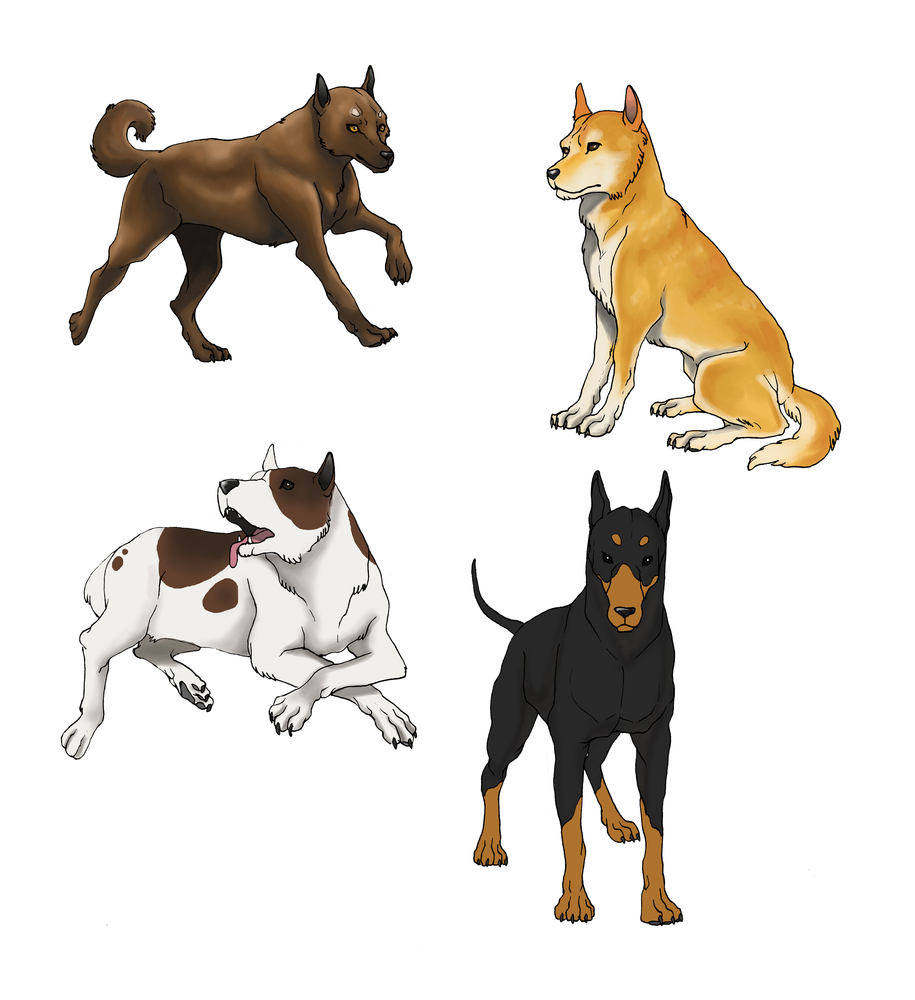
Many people are used to seeing the black version of Doberman Pinschers and are, therefore, unaware of the fact that there are three other possibilities. The possible colors are black, red, blue, and fawn.
A Doberman has two distinct color genes, which are black (B) and color dilution (D). The complete assembly of genes in any of these dogs is expressed as XXYY, where X denotes the black gene (B), and Y denotes the color dilution gene (D). Therefore, a few examples of the assembly are BBDD, BbDD, and bbdd. A capital letter such as “B,” means that an allele (gene variation) is dominant, while a common letter such as “b,”, means than an allele is recessive. Once the black and color dilution genes both have at least one dominant allele in a single dog (i.e., BbDd or BBDD), the traditional black and tan color is achieved.
If the dog has two recessive black alleles and at least one dominant color dilution allele (i.e., bbDd or bbDD), the red and tan variation occurs. When the black gene has at least one dominant allele but there are two recessive color dilution alleles (i.e., BBdd or Bbdd), the Doberman has a blue and rust color. Finally, the fawn and rust variation is the least common as it only occurs when there are no dominant alleles in the combination (i.e., bbdd). It is important to note that Dobermans that come out blue or fawn are susceptible to skin issues and that there is a fifth (unrecognized) color discussed later.
They Are More than Just Pets
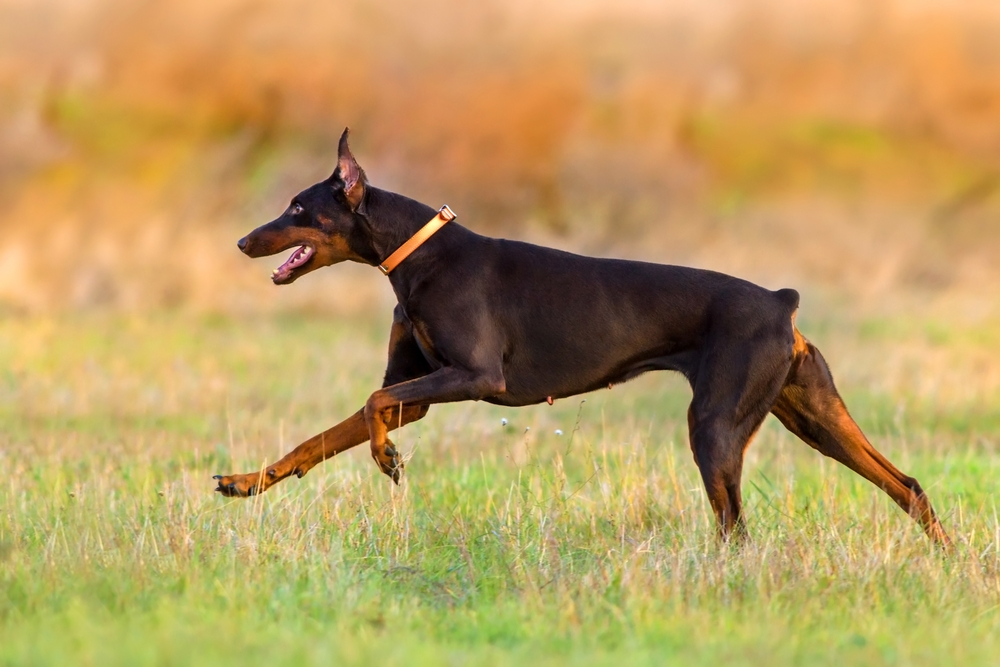
As stated before, Doberman Pinschers of today are suited for companionship. Depending on your personality, this can mean a variety of things to you. For some people, having a dog that spends most its time in kennel counts as having a companion. For others, their dogs must be around them almost consistently as the animals are regarded as family members or friends.
If you plan on owning a Doberman, you need to mentally prepare yourself for the latter. These dogs command attention and must be given the same. There is a common phrase that “a Doberman Pinscher owns you,” instead of the other way around. While the relationship with one is not so extreme, the requirements for attention and inclusion exceed those of most other dog breeds.
The loyal, loving, and protective nature of this breed means that there is a high demand for love, training, attention, and kindness. This means that you need to be able to afford a heavy time investment. So, if you know your schedule is busy and you cannot spend too much time with a dog, this is not the breed for you. Once a Doberman has formed a bond with its master, there is an almost instinctive need for proximity with same. Their high intelligence means that they notice subtle changes and the kind of energy they get from their owners.
They are so connected to those they bond with that they have been nicknamed as the “Velcro dog.” A Doberman is seemingly able to sense human feelings and act on them.
They Require Consistent Grooming
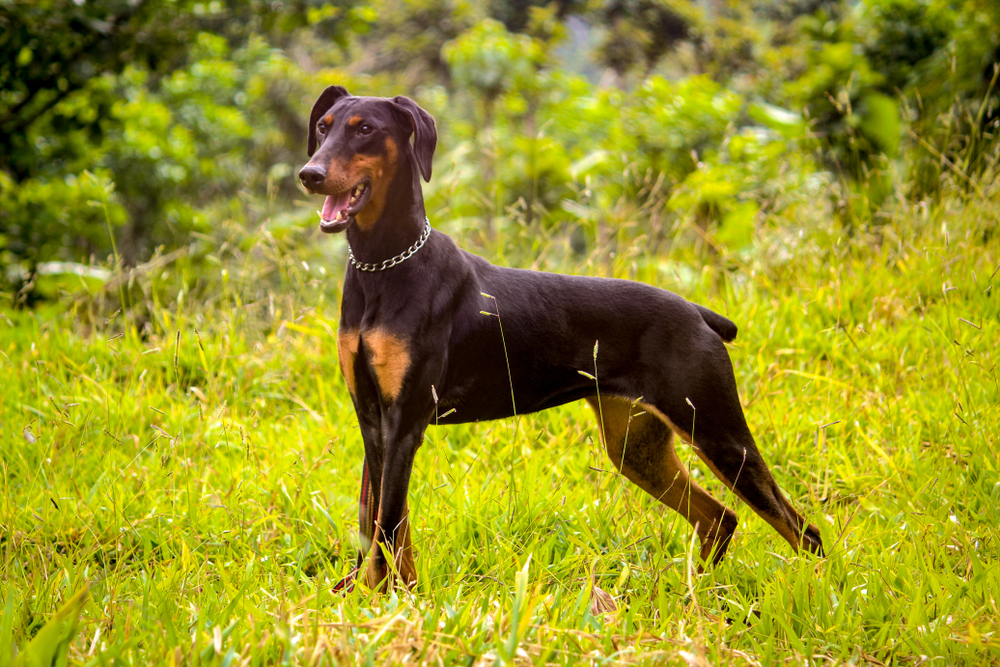
A Doberman Pinscher requires almost daily grooming. Even if you can afford to have that professionally done, don’t expect the best possible relationship after you send the dog off to a stranger daily. The first aspect of grooming is the daily removal of what is referred to as “eye boogers.” Dobermans produce a normal eye discharge daily after sleeping. All that is required is wiping of the affected eyes outward with a tissue.
The next area of grooming is the ears. Apart from keeping your dog clean, looking into the ears helps you to identify certain health issues as they occur. This allows you to take the dog to the vet if needed. The external ear flaps should be cleaned daily with a cotton ball. Attempting to clean the ear channel can be disastrous.
Dental hygiene is the next area of focus. Like that of the ears, the cleaning process here gives you the opportunity to familiarize yourself with what is normal for your dog. You need specialized dog toothpaste and a suitable dog toothbrush. Brush only the outside of the teeth back and forth. The dog’s tongue cleans everywhere else.
Coat care is also important. It is recommended that your dog has an occasional bath with a moisturizing shampoo. Combing of the coat is also important as it removes excess hairs. A healthy Doberman has a shiny, straight, flat coat, and they also have almost no “dog” smell. Finally, the dog’s nails need to be clipped on a three to four-week basis, as they are to be kept short.
Training Success Is Achieved Through Consistency
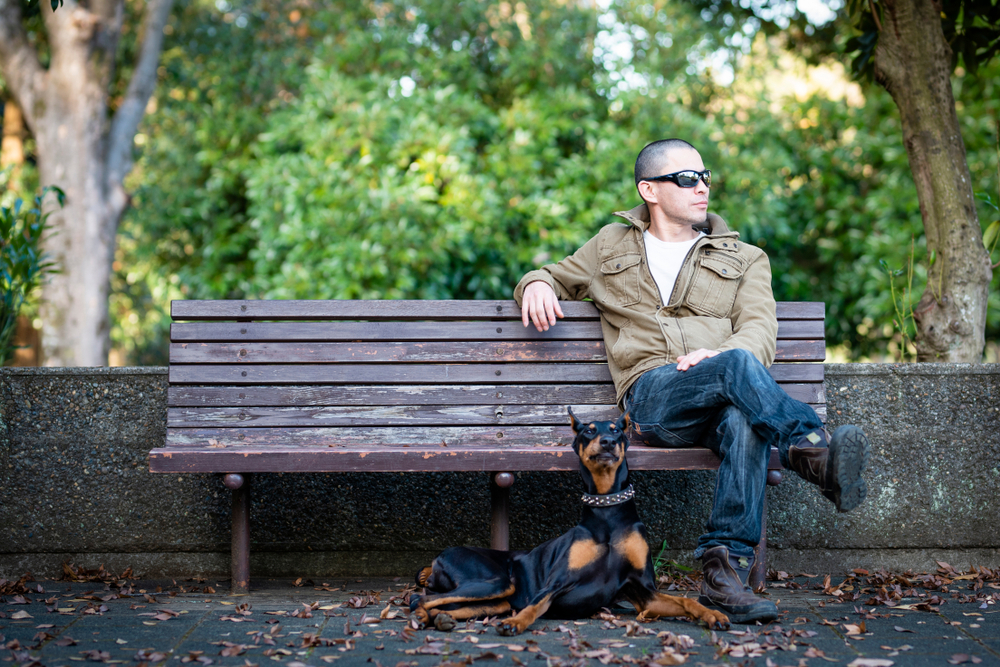
One aspect of the original breeding method that remains is obedience. Doberman’s have the potential to be respectful and obedient dogs, but this potential is only realized through trainer consistency. Remember, that a Doberman Pinscher notices even the most subtle of details, which means that you need to be consistent with enforcement.
Obedience training requires that the person conducting same introduces a rule to be followed. The dog sees the introduction of the same as an anomaly, therefore, it doesn’t stick unless constant reinforcement is practiced. The acute intelligence of a Doberman means that it notices if it gets away with not following an established rule even once. This is made even worse when it realizes you saw the misbehavior and let it slide. To the Doberman, this means that there are times when the rule can be broken.
Being in enforcer mode consistently sounds like a hard task, but the intelligence of these dogs have a benefit in this regard. Dobermans can create or adjust a habit in only a few days. This means you can modify the behavior you want by simply taking the time to stay true to the training for several days. Remember to use positive reinforcement when your dog follows the rule you have outlined. This conveys the impression that listening to your instruction is a “great” thing to do. Also, ensure that you are observant of your dog’s behavioral traits as they help you to conduct your training optimally. Finally, remember that Doberman’s are highly energetic and excited dogs, so why not add some fun to your training while you’re at it?
Docking and Cropping Are Not Proven to Be Advantageous
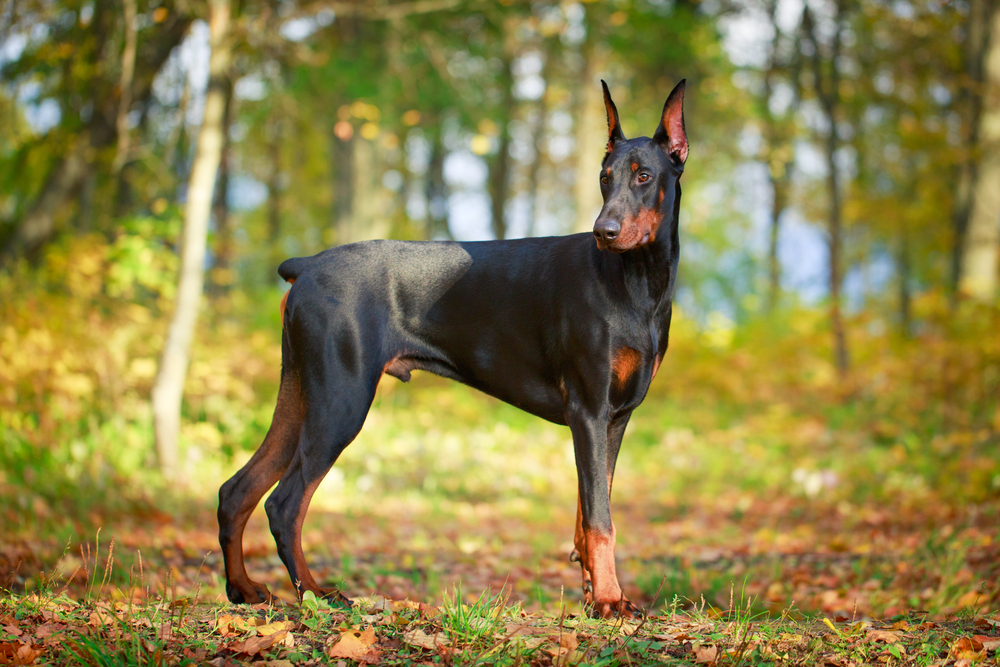
These are surgical procedures performed shortly after birth on many purebred dogs. Both procedures have been performed on Dobermans for years, however, there are arguments both for and against the practices.
Docking is the removal of a dog’s tail (or a part thereof) using surgical scissors, and it is done without application of an anesthetic. Cropping is the removal of the floppy area of a dog’s ears, after which the ears are taped to a supportive surface to stay upright. An anesthetic is usually applied for the cropping procedure.
Apart from giving a Doberman, the look people have come to know, there is no conclusive evidence that there are functional benefits to these practices. Whenever arguments are made to hint at a benefit, there is usually a counter-argument that is also sound. For example, it is believed that tail cutting reduces an athletic dog’s chances of getting a tail injury. However, research shows that tail injuries in dogs are not very common. Furthermore, they are usually minor when they occur.
There is also not much evidence to prove that a Doberman that doesn’t undergo these procedures has impaired mobility or functionality. Cropping, for example, is done for ears to point upwards and to be movable as they are in some other dogs. However, dogs with ear flaps have also been proven to have great hearing. It is quite likely that a breeder has performed these processes prior to sale. If that is not the case, however, be sure to remember that aesthetic reasons are the only definitive ones for docking and cropping.
They are Not Necessarily Good with Young Children
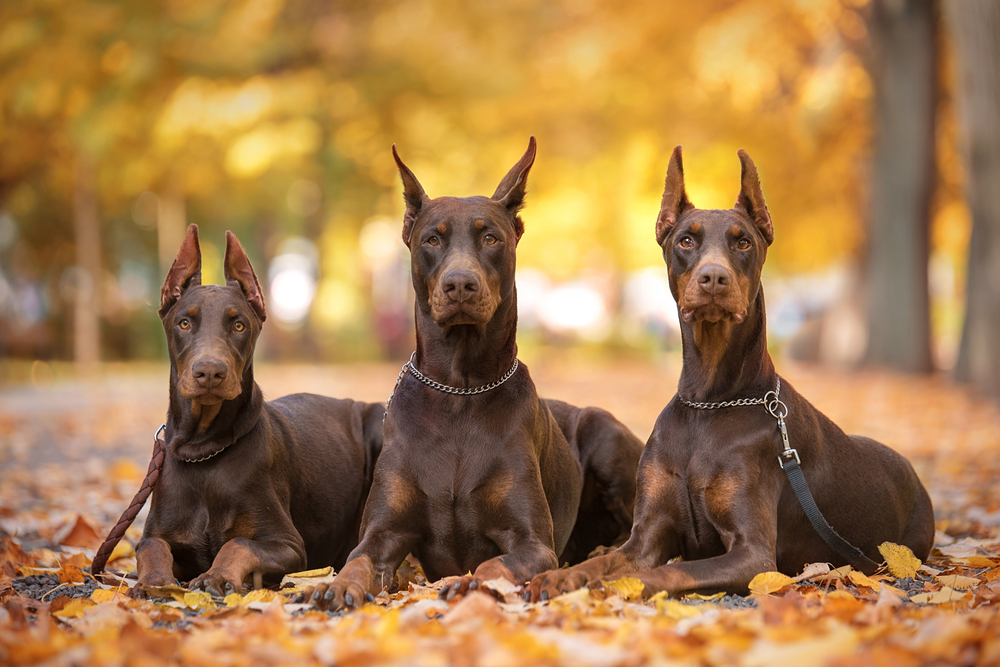
Many people disagree with this point as they have raised Dobermans around small children to great success. Some of these people are quick to say that once the child is raised alongside the dog, there is no problem. However, there are specific variables at play, which is why these dogs are not recommended around small children.
Dobermans are very loving, protective, and loyal dogs that are very unlikely to show aggression towards a family that owns it. However, proper socialization and care are required for this. Also, there is a process the dog must go through to see the child as one of those to be protected. During the socialization aspect, a lot can go wrong simply because young children typically are also not completely familiar with accepted behaviors towards people, let alone a dog. It is not unlikely for Doberman puppies to become skeptical and somewhat scared around the normal hyperactive behavior of children.
Constant supervision is needed if you want to avoid potentially disastrous outcomes for child and dog alike. Remember that puppies should never be left with children as both are still learning the world. This means that young Dobermans can end up responding to normal behavior with aggression as they perceive same to be a threat. If you are a Doberman expert, a lot of these warnings may not apply to you, but if you are not (especially if this is your first dog), you may want to consider a less complex breed for playing with children.
Avoid the White Doberman


The four recognized Doberman colors were discussed above. However, there is a fifth that usually goes unmentioned for various reasons. The unrecognized color is white. It is very rare, but when uninformed potential buyers find one, the “uniqueness” is so alluring that they may elect to purchase it. Such purchases typically lead to many headaches down the road. The reason it is unrecognized is because of the inbreeding process that it originated from. All these dogs descend from the first documented albino Doberman, which was inbred to get the color.
The inbreeding itself is not a problem. The issue is that these white dogs are highly likely to have cognitive and health complications such as poor vision, and a myriad of skin issues. The photosensitivity leads to fear biting because of the unsurety of what lurks in the surrounding. These dogs tend to go through an uncomfortable existence and, therefore, breeding for them is banned in some countries. Breeders are experts in their field, so they know how to achieve this color intentionally but as this is a predominantly uncomfortable mutation, it is not seen as humane to do so.
Be mindful that while there is a high occurrence of health complications in Dobermans of this color, they are not all sick dogs. There are a few that live normal lives but the risk of getting one is high, which is why it is recommended that you stick with one of the other colors instead. Remember that even healthy Dobermans are at risk for certain health complications so there’s no need to add even more to that.
Their Average Lifespan Is Roughly 10 Years

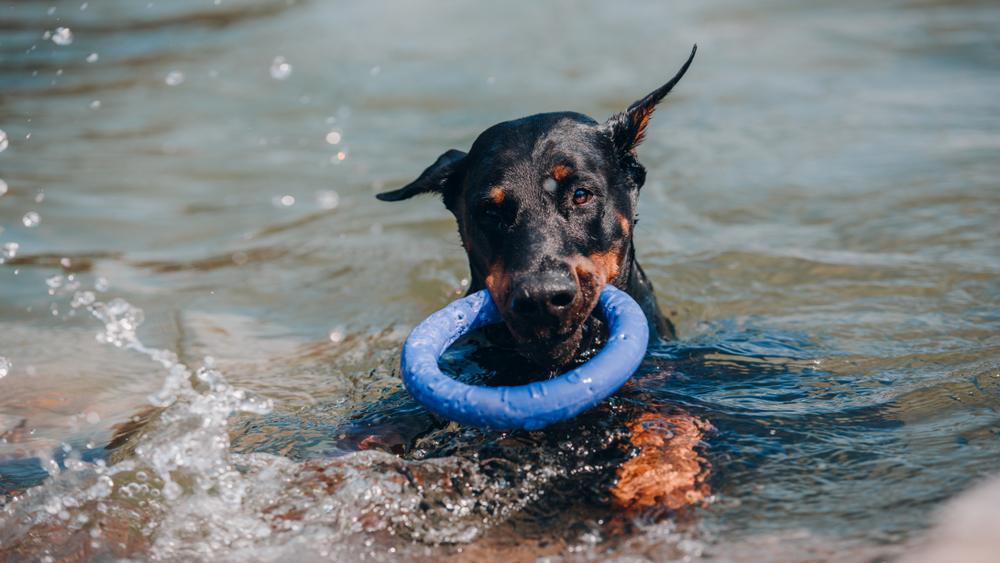
This is the saddest part of owning any pet that you form a bond with. One must face the inevitable fact that the animal’s lifespan is likely much shorter than that of a human. As stated before, Doberman Pinscher’s a very loyal and very loving dog. This means that coming to terms with losing a well-trained one is no easy process.
There are many sources of information that have differing opinions on the life expectancy of these dogs, but a UK study done in 2013 implies that Doberman Pinschers have a median lifespan of 9.2 years. The longest living dog in the study lived to be 13 years old.
There was a similar study conducted three years prior, which showed a median of 10½ years. The longest living dog in that study lived to be 16.5 years old. What resulted in such a difference? The same entity conducted both studies, however, the one done in 2013 is believed to be the more accurate representation. This is because the researchers did not have direct access since owners self-reported on their dogs. Additionally, many respondents (80%) didn’t complete the survey. In the 2013 study, veterinary clinic records were used to gather the requisite data. The good thing is both studies reported a similar median, so it can be said the average sits at about 10 years. Therefore, if you’re looking for a partnership to last over a decade, while it is not impossible, a Doberman Pinscher may not be the appropriate companion for you.
Conclusion
The Doberman Pinscher is one of the most unique breeds available and there are certainly numerous advantages to owning one. While any owner can reap the benefits of owning many other breeds, only those who are willing to invest the required amount of time and care get to do so with Dobermans.
This investment is about more than just training and playing with the dog. There are maintenance requirements as well, which you must be willing to attend to. Dobermans are susceptible to some distinct health conditions and you must educate yourself on the telling signs, so you know how to respond to each. Grooming is also a staple in Doberman care, and it provides another great way to notice health risks. If you have young children, this breed is probably not your best bet as there can be some disastrous outcomes related to unsupervised play. Doberman Pinschers are not bred to be as aggressive as they once were, however, perceived threats (such as erratic toddler behavior) can result in aggressive responses. This is especially true for puppies, as they are still learning the world.
Overall, these dogs are very intelligent, attentive, loving, loyal, and caring. They are very intent on pleasing their owners in every way possible provided said owners provide the love and affection they need. Dobermans become somewhat inseparable from their masters once a bond is formed. Owners must be mindful, however, that these furry companions may not be around for more than 10 years, which is the average lifespan of a Doberman Pinscher.

