
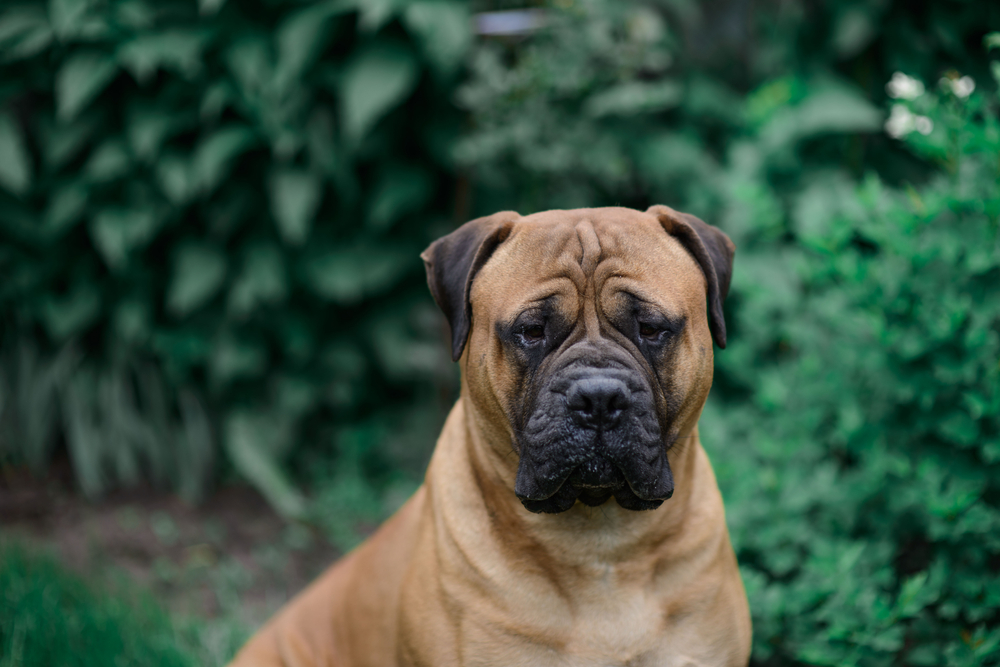
The bullmastiff is a huge and strong dog that often serves the role of a guard dog, along with being a loving family companion. Many people consider a bullmastiff when looking for a large dog, but, as always, it is important to do your research before committing to a dog.
Bullmastiffs are high energy dogs for their size, which can easily exceed 100 pounds when fully grown in males and females. They are very friendly and loving, but they can also be excellent guard dogs thanks to their fierce loyalty and physical size.
For a dog of their size, however, bullmastiffs are easy to care for. They are comfortable in apartments and do not require much exercise to stay healthy and happy. They are also excellent family dogs thanks to their even temperament and their non-aggressive instincts. The most likely way a bullmastiff could harm you or your family is by accidentally stepping on someone. Despite their intimidating appearance, the bullmastiff is not a fierce dog. They were bred to apprehend thieves and poachers, not to kill or harm them. This training remains today in the form of the breed’s instincts.
The breed was originally created to guard the property of wealthy landowners in Europe. These landowners wanted to protect their property as well as game animals on their property from thieves and poachers. If you are considering a bullmastiff for the newest addition to your family, keep reading to learn 10 things that you should know about the bullmastiff.
They Get BIG

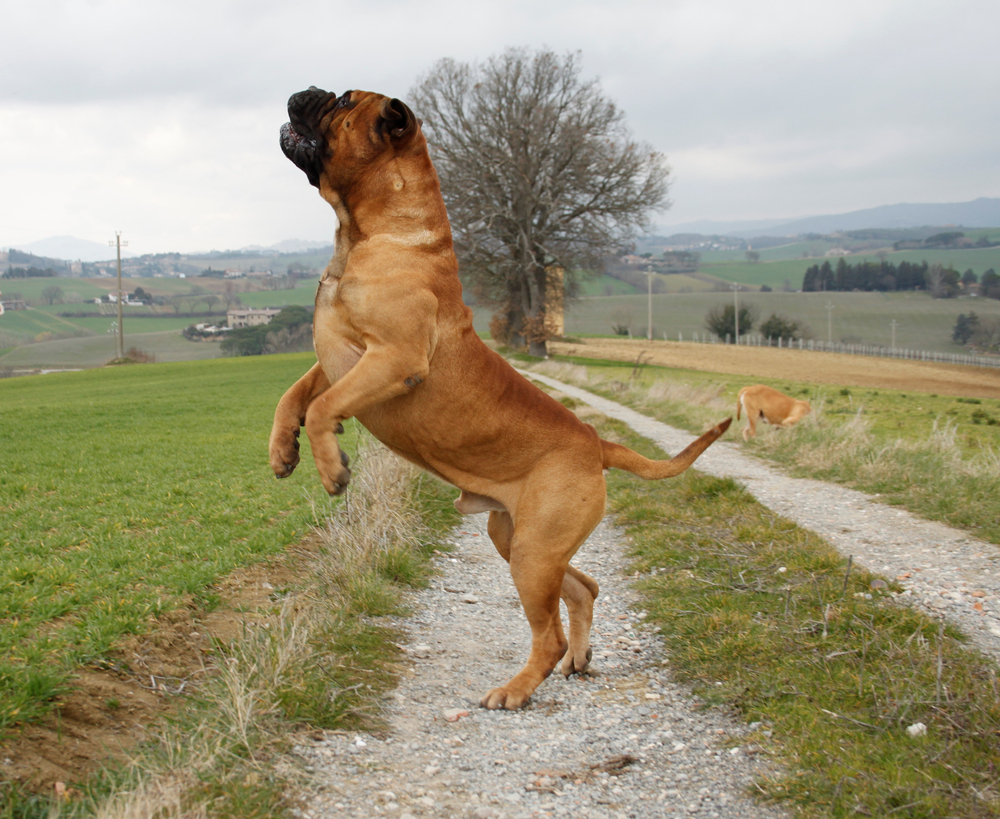
Bullmastiffs are large dogs, as are all mastiff types. While bullmastiffs are large, even for a mastiff, they are not the largest of this dog type. The largest mastiff is the English mastiff which can easily reach 200 pounds. By comparison, most bullmastiffs are between 100 and 130 pounds.
Another aspect that makes bullmastiffs unique, related to their size, is that males and females are roughly the same sizes. On average, a male bullmastiff is 10-20 pounds heavier than a female. For comparison, the average weight of a female English mastiff is 120-170 pounds while a male can grow to between 160-230 pounds.
Bullmastiffs are not particularly active dogs, so they can easily live in a small or medium-sized apartment. Make sure that they have enough room to lay down and stretch out. Your pup should be able to easily move around without bumping into furniture or other items in your home, but they do not require much more room than this.
The dog was over eight feet from nose to tail, making it one of the largest dogs ever recorded. Bullmastiff sizes can vary wildly, so it is important to look at the parents before you adopt a bullmastiff. If one or both are larger than average, you can often expect the pups to grow exceptionally large as well. This is not always a perfect indicator; however, as pups from average-sized parents can still easily exceed the breed average.
They Don’t Like the Heat

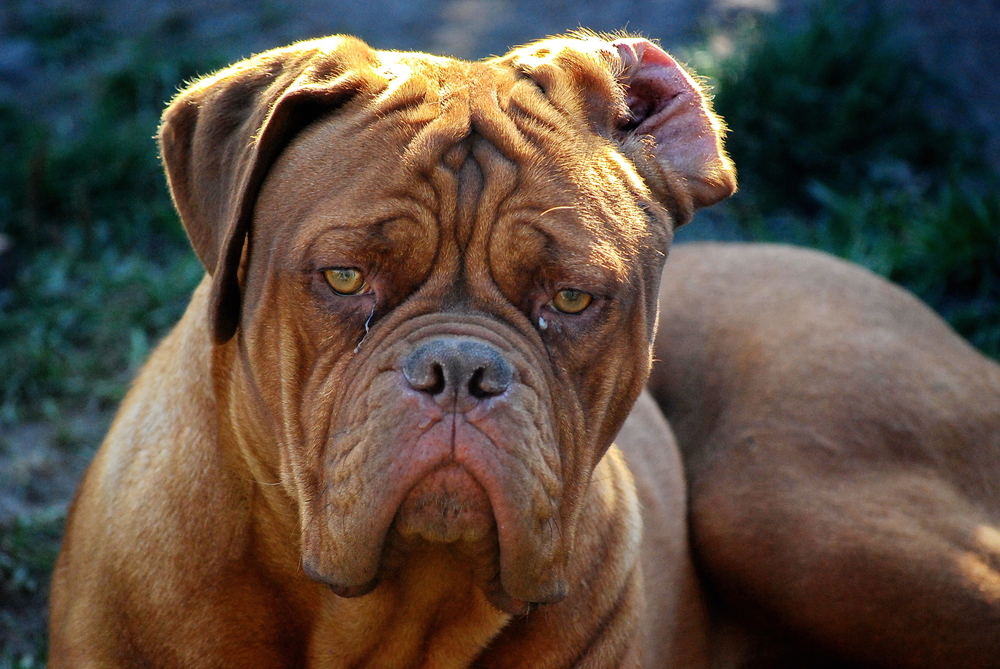
Bullmastiffs are exceptionally large dogs, meaning that they produce a lot of heat through their metabolic processes as well as muscle contractions. Its size, including other factors, largely determine the amount of heat generated and lost by a body, but those are not relevant here.
There is a reason toy breeds do not do well in cold weather or require sweaters. The smaller a body, the faster it loses heat. The opposite is also true, the larger the body, the more heat it retains.
Combine the heat retention of a large-bodied dog like a mastiff with the fact that dogs cannot sweat, and it is no surprise that bullmastiffs do not like the heat. While most people take sweat as simply a smelly annoyance, it is a vital bodily function.
The reason we sweat is to expel excess body heat. When a fluid evaporates, it saps heat from whatever it is in contact with. Therefore, certain chemicals feel cold when they are on your skin, even if the fluid is the same or higher temperature as your skin. Take acetone, for example. It evaporates almost instantly in any normal temperature range. If you have ever gotten acetone on your skin, then you know how cold it feels.
Sweating uses these same mechanics, but dogs must pant to expel heat because they lack sweat glands. A dog’s tongue is typically fairly standardly sized, relative to its body size. This means that a bullmastiff has a tongue that is sized for its body to cool it as efficiently as possible, but because of its size, they are still not able to expel heat well on hot days. So, it is important to keep your pup nice and cool.
They are Exceptionally Quiet
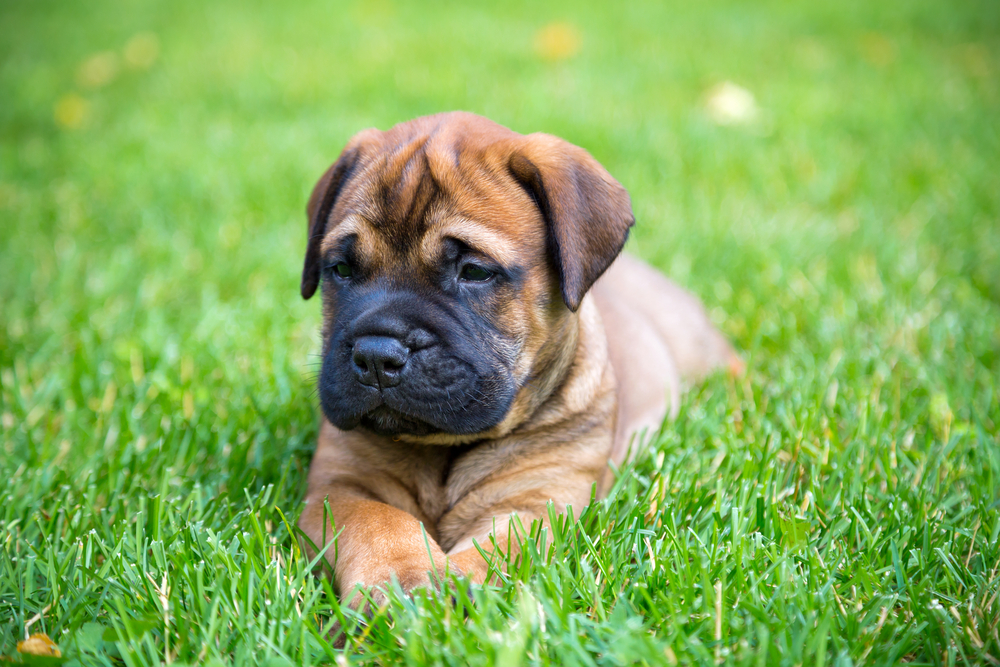
The first bullmastiffs were bred to be guard dogs, but not attack dogs. Trainers specifically taught them to track, stalk, and detain intruders, not harm them. They were also not expected to bark to alert people of the intruder as this would alert the intruder as well.
Over several generations of selective breeding and training, these qualities have become instincts in a fascinating case of genetic memory. Genetic memory is a complex subject, but it is simple at its core. The idea is that if the same information is learned several generations in a row, the information is retained by future generations without needing to reobtain it.
Genetic memory is not, however, perfect memories or information. It remains in the form of instincts, rather than a learned behavior. Basically, it is something that animals “just know.” One fascinating example in humans is the existence of dragons across Europe and Asia. While the exact details are different, dragons are a nearly universal concept across these areas. This is thanks to genetic memory warning our ancestors to avoid certain animals such as snakes and venomous lizards.
Thanks to this genetic memory, bullmastiffs retain their non-aggressive guard dog training with each generation. This means that bullmastiffs are very unlikely to bark, making them a great choice for people in tightly packed neighborhoods or apartments where a noisy dog can cause problems with neighbors. They
They are not Very Smart

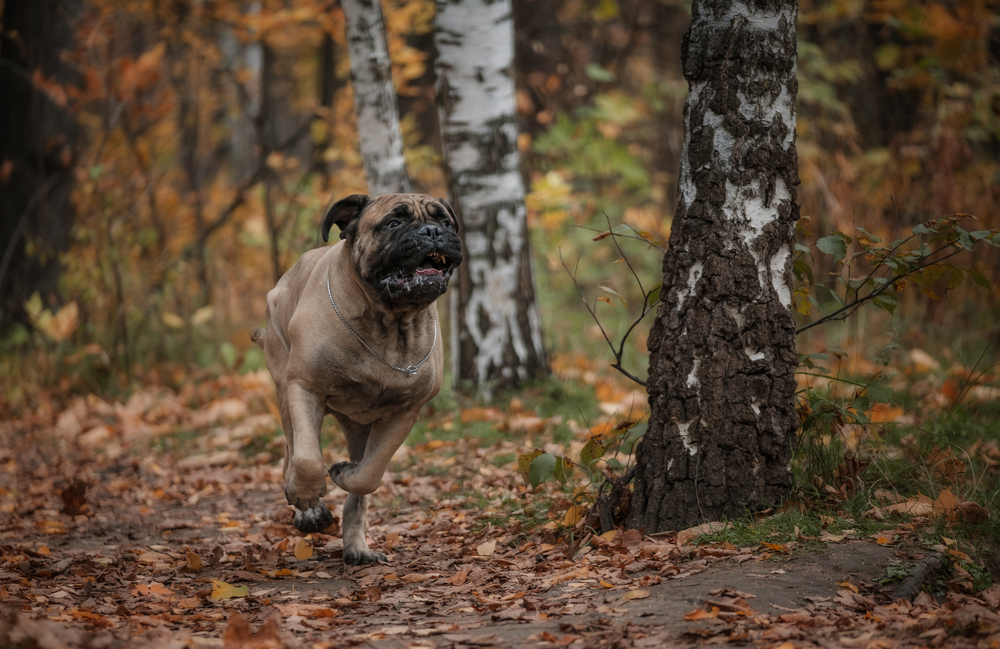
Bullmastiffs are a lot of things, loyal, sweet, intimidating, but highly intelligent isn’t one of them. Bullmastiffs are rated as 127 of 138 dog breeds when ranked for intelligence. This speaks volumes when you consider just how wide the range of intellect among dogs is. For example, the border collie is considered the smartest dog breed with poodles coming in close behind. Both breeds are highly intelligent, with some showing the same level of intellect as the average three to four-year-old child.
While it may seem like more intelligent dogs are easier to train, this is not always the case. Border collies are known to be stubborn and require extra effort to train.
While it may take longer to train less intelligent dogs, it is often easier. This is because the difficulty lies in information retention, not attitude. Rather than having to figure out how to get the dog to listen, you just need to keep repeating the process until they retain the information.
The main disadvantage of a less intelligent breed is that they cannot remember as many commands. Where a border collie can remember up to several hundred commands, a bullmastiff may be limited to just a few dozen. For most people, however, this is not an issue as training usually revolves around simple housebreaking rules and basic commands such as sit and stay.
Be Prepared to Buy a Lot of Dog Food

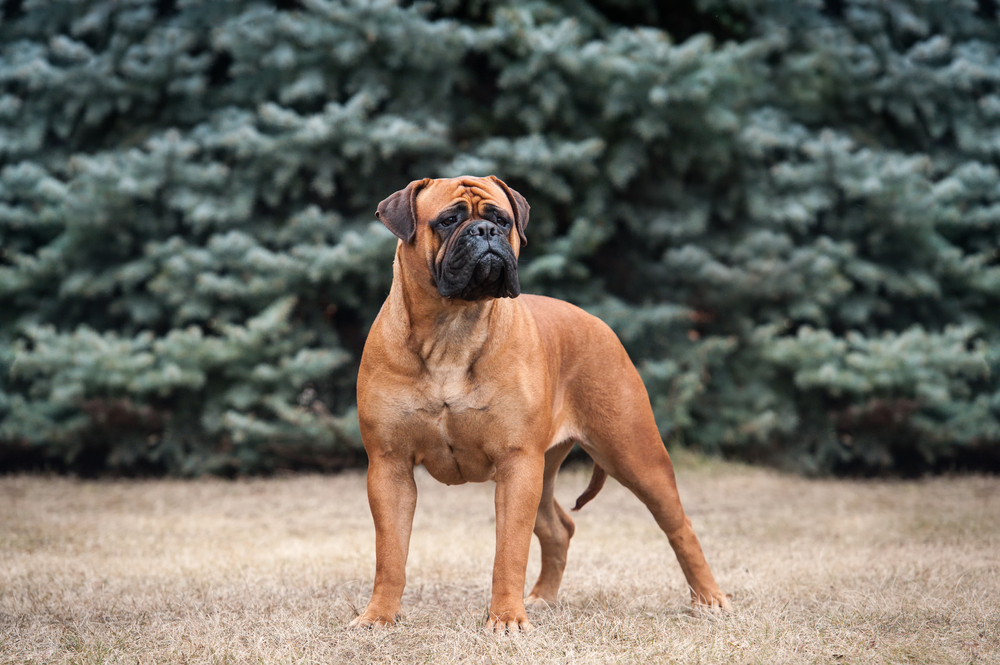
Bullmastiffs can grow to be well over 100 pounds on average. Exceptional bullmastiffs can grow to over 200 pounds. This means that you can expect your bullmastiff to consume, on average, three to four cups of food per day. If your bullmastiff is particularly active, you can expect to feed them even more than this.
Compare this amount to toy breed, which often consumes less than half a cup of food per day, and it is easy to see just how much you can expect to spend on dog food. You should also purchase high-quality food, not department store brands or other cheap brands. These cheap foods contain a lot of fillers and empty calories. They give your dog the energy they need, but not nutrition. High-quality food contains all of the nutrients that your dog needs and can help them stay healthy and happy.
As is always the case, the more food that goes in, the more that must come out. Bullmastiffs can be a pain to clean up after because of this. If you own your own home and simply let your pup outside to do their business, this likely isn’t going to be an issue for you. For those who live in cities or HOA communities that require you to pick up after your dog, be sure to bring a few extra baggies along when you go for walks.
They are Fairly Short-Lived

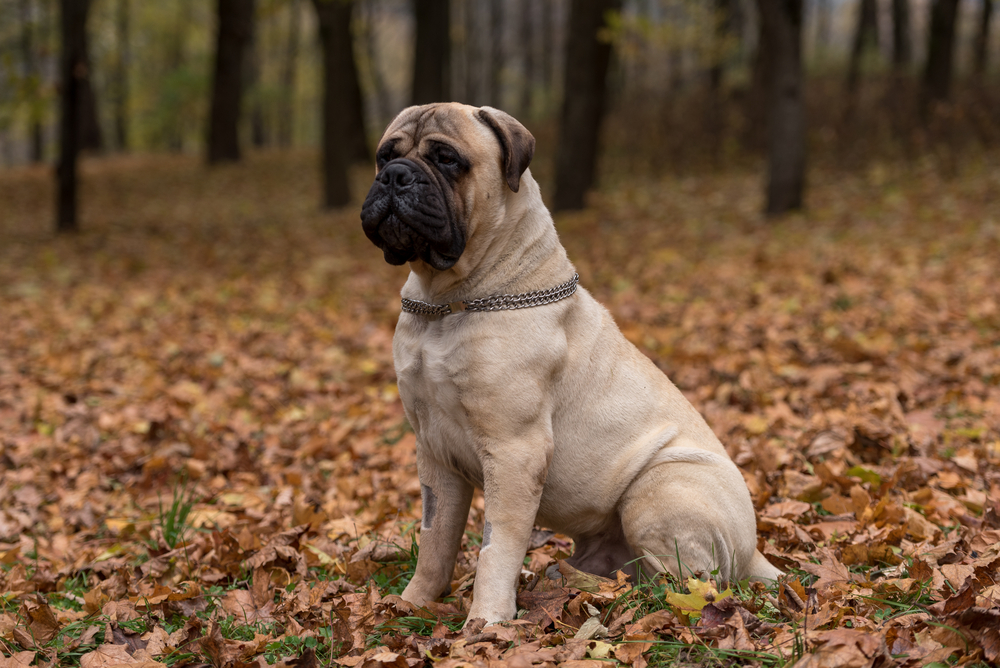
The average lifespan of dogs is 10-13 years. This varies by breed, health, and environment, among other factors. Bullmastiffs, however, only have an average life expectancy of eight to 10 years.
One reason for this lower life expectancy is the range of health problems that they suffer from. Like all pure-breeds, bullmastiffs suffer from numerous genetic diseases as a result of inbreeding and genetic manipulation. These health problems often shorten the life of these dogs and, therefore, reduce the average.
Thanks to the skewing that occurs because of health problems, it is entirely possible for a bullmastiff to live longer than 10 years. If your pup is healthy and does not suffer from genetic or other diseases, they can likely exceed the average. When you remove diseases that cause early death, the average lifespan of the bullmastiff is on par with most other breeds.
They Have Numerous Potential Health Problems
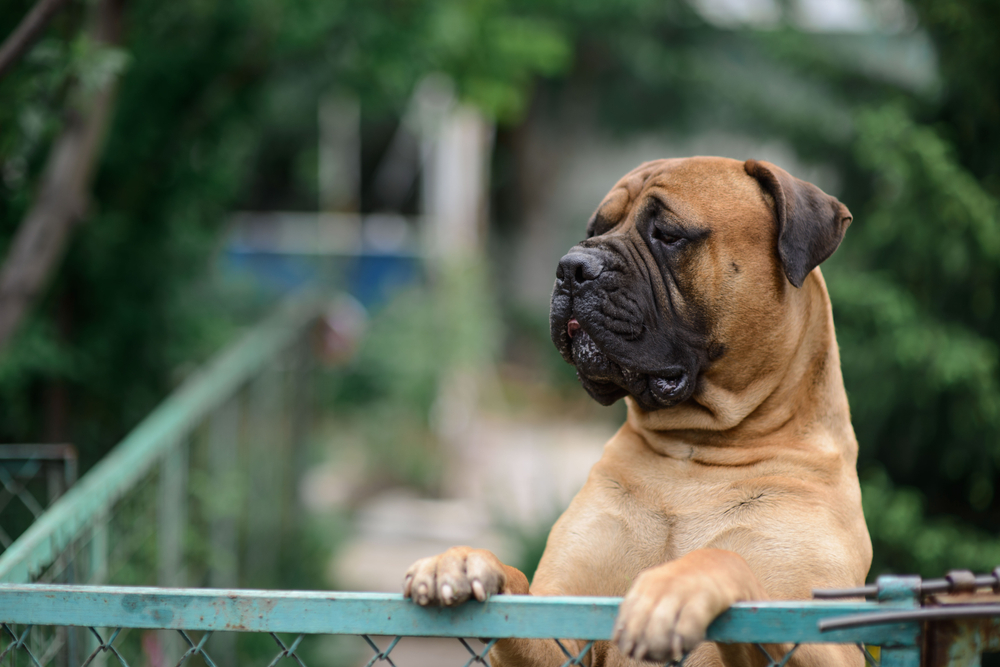
All pure breeds have been inbred for generations. Thanks to the archaic rules governing kennel clubs, papered dogs cannot breed outside of their breed. This means that the gene pool for each breed reduces with each passing generation.
Inbreeding animals for one or two generations is generally accepted as a harmless practice, but repeated inbreeding causes genetic defects and diseases to appear. This is because recessive genes cause these diseases. In a healthy population, the recessive gene is overpowered by the dominant gene, and the disease does not occur. On rare occasions when both parents possess and pass on the recessive gene, the disease can occur, but this is much less common in nature. With inbreeding, the recessive genes begin to replace the dominant genes.
Thanks to generations of inbreeding, bullmastiffs suffer from numerous health problems including hemangiosarcoma, osteosarcoma, lymphosarcoma, hypothyroidism, and sub-aortic stenosis. They can even suffer from hip dysplasia, resulting in the need for expensive surgery to prevent constant pain.
Since most of the health problems that bullmastiffs suffer from are genetic, simply getting a first or second-generation mutt can prevent most of these problems. You can also save a lot of money when you get your pup if you opt for a mutt instead. This is because Kennel Societies do not allow papered pure breeds to mate outside of their breed. If they do, the breeder cannot obtain papers for the puppies. Unfortunately, this also makes finding first-generation mutts difficult as breeders cannot sell the puppies for as much.
They are Easy to Care For
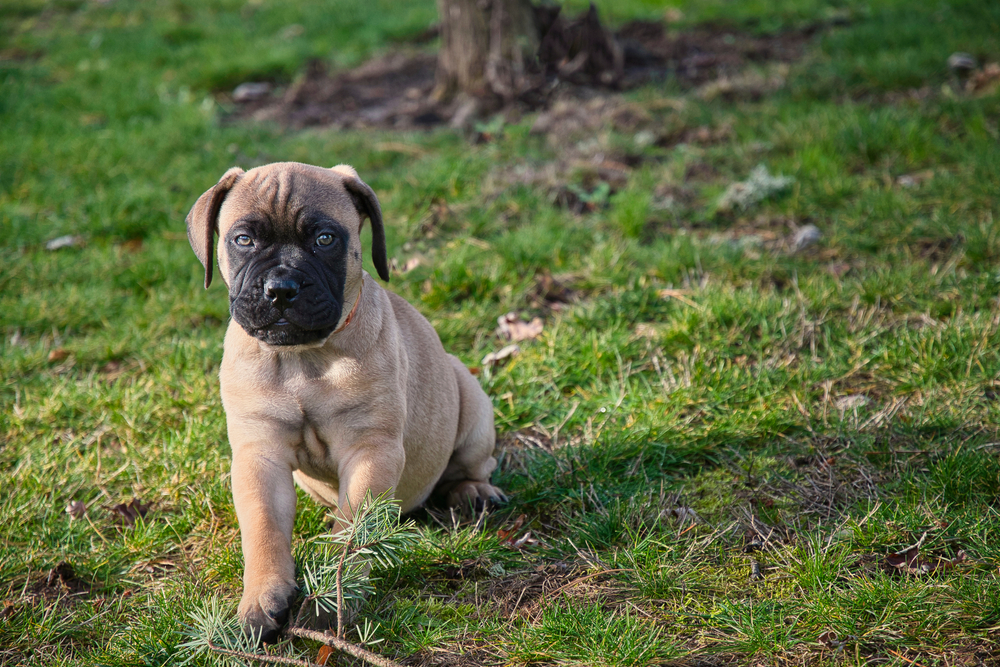
Thanks to the single-layered coat of a bullmastiff, grooming is exceptionally easy. The bullmastiff has short fur that is not particularly dense or course. Thanks to this light coat, bullmastiffs typically only require minimal brushing and bathing to keep well–groomed.
As with any dog, proper grooming is important to your pup’s overall health and appearance. Bullmastiffs do have fairly loose skin which can easily form into folds. These folds are not as pronounced as some breeds, such as pugs and bulldogs, but they are there regardless.
With proper grooming, it is unlikely that your bullmastiff could suffer an infection in the skin fold, but if left alone, these folds can abscess. If this happens, your pup is going to have a painful infection that must be drained and often treated with antibiotics. To prevent this, all you have to do is be sure to wash under the skin folds when you bath your dog. You can also use baby powder under the folds between baths to absorb the skin oils and moisture that accumulate in the folds. This reduces the ability of bacteria to reproduce and minimizes the risk of infection. Make sure you only use baby powder and not medicated body powder. Regular, non-medicated baby powder is pure corn starch, so it doesn’t matter if your pup licks it off.
Bullmastiffs Can Take Several Years to Grow
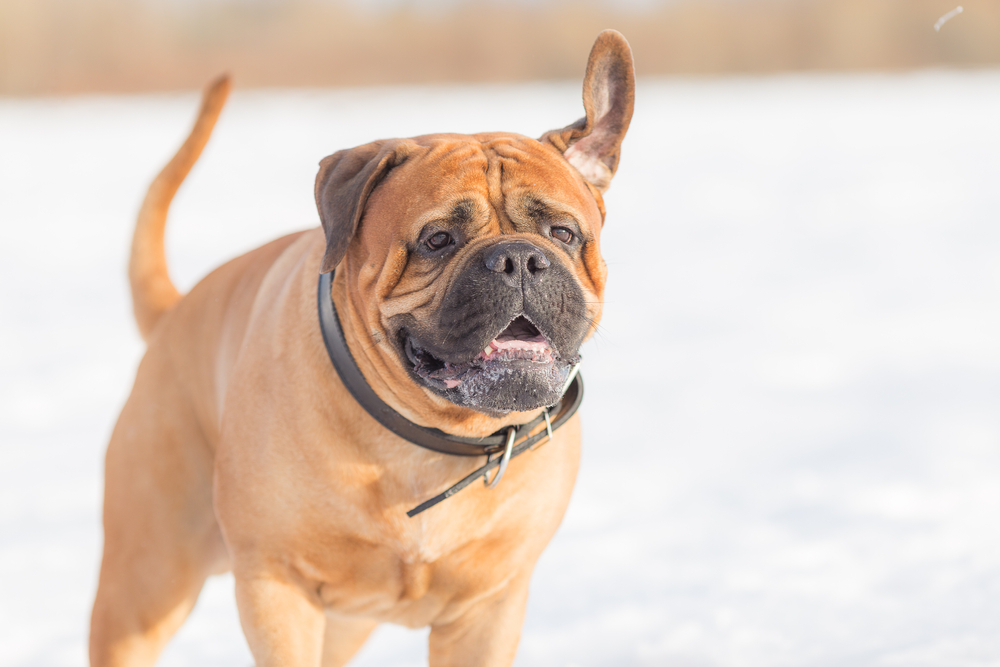
Most dog breeds grow fully in just over a year. Smaller breeds grow faster than larger breeds, relative to their size. For example, a toy breed, which is a breed no larger than 10 pounds, is usually fully grown in under one year. Medium-sized dogs can take a year and a half to two years, but large dogs, like the bullmastiff, can take even longer.
On average, the bullmastiff takes three to four years to grow fully. As with people, this time varies depending on the individual. Some may not take as long while others take even longer. While larger breeds take longer to grow, the amount of time your pup spend growing does not directly impact their size. A runt may take four full years to grow to just 100 pounds while a large bullmastiff may reach 200 pounds in two years. It all depends on the individual dog and its genetics.
This extended growth time generally isn’t a concern, but it can cause problems for those who choose to crate train their pup. When crate training, it is important to have a crate that is large enough for the dog to stand and move around in comfortably, but not so large that they feel comfortable relieving themselves in the crate.
Dogs like to be in a small den that is enclosed. This makes them feel safe and comfortable, as well as helps you keep them from tearing up the house during the night. Since dogs naturally sleep in dens, they instinctively avoid going in their crate. Accidents happen, sure, but as a rule, they do not want to go in the crate. If the crate is too large, however, your dog may begin to treat one corner or side as a toilet.
To avoid your pup using the crate as a toilet, you must size it accordingly. This is where the bullmastiffs’ extended growth time can cause problems. If you buy a crate that is the right size for their expected adult size, it is going to be too large for the puppy.
Be Exceptionally Careful with your Male Bullmastiff Around Smaller Females
This may be an unpleasant topic for some, but it must be mentioned. If you choose to get a male bullmastiff, it is vital that you either neuter him or take extra care to keep him away from smaller female dogs. If you have a female bullmastiff, you do not have anything to worry about in this regard.
The reason behind this is the exceptional size of the bullmastiff. When breeding a large dog with a small dog, the larger dog must always be the female. If a large male breeds with a small female, it can result in death for the mother and puppies. This is because the large size difference means that the puppies can become too large in the mother’s womb for her to tolerate.
Even if the smaller female can handle the puppies gestating, the puppies must likely be delivered via c-section in the same way that pit bulls must be delivered.
The size of the puppies is not the only concern when breeding a large male with a small female. There is also the risk that the male may hurt the female during the act. There are numerous ways that this can occur that are not going to be mentioned here, but just know that it can happen, and it can be fatal.
With these facts in mind, if you already have a smaller female dog, or your neighbors have small female dogs, you should either consider getting a female mastiff or neutering your male. This is a matter of health and safety for your dogs and your neighbor’s dogs.
Conclusion
Despite its problems, the bullmastiff is a loyal and fun-loving dog that can make an excellent family companion. They are excellent with children thanks to their even temperament and instinctive bite aversion. They are also an excellent choice for people who cannot commit the time to exercise them regularly thanks to their moderate energy levels and laid-back personalities.
If you want a guard dog to alert you whenever someone is coming up to the door, a bullmastiff may not be the best option for you. Thanks to their instincts, bullmastiffs are quiet dogs. This makes them a good choice for people who don’t want to be bothered by the barking or disturb their neighbors. Despite this, the bullmastiff is still an excellent guard dog. After all, that is what they were bred to do. Instead of barking and biting, however, bullmastiffs instinctively stalk and detain intruders, rather than harming them.
If you want a pup that is going to be loyal and loving to a fault, go out and find a bullmastiff. Just be prepared for the massive amount of food they can consume and the equally massive amount of poop.

